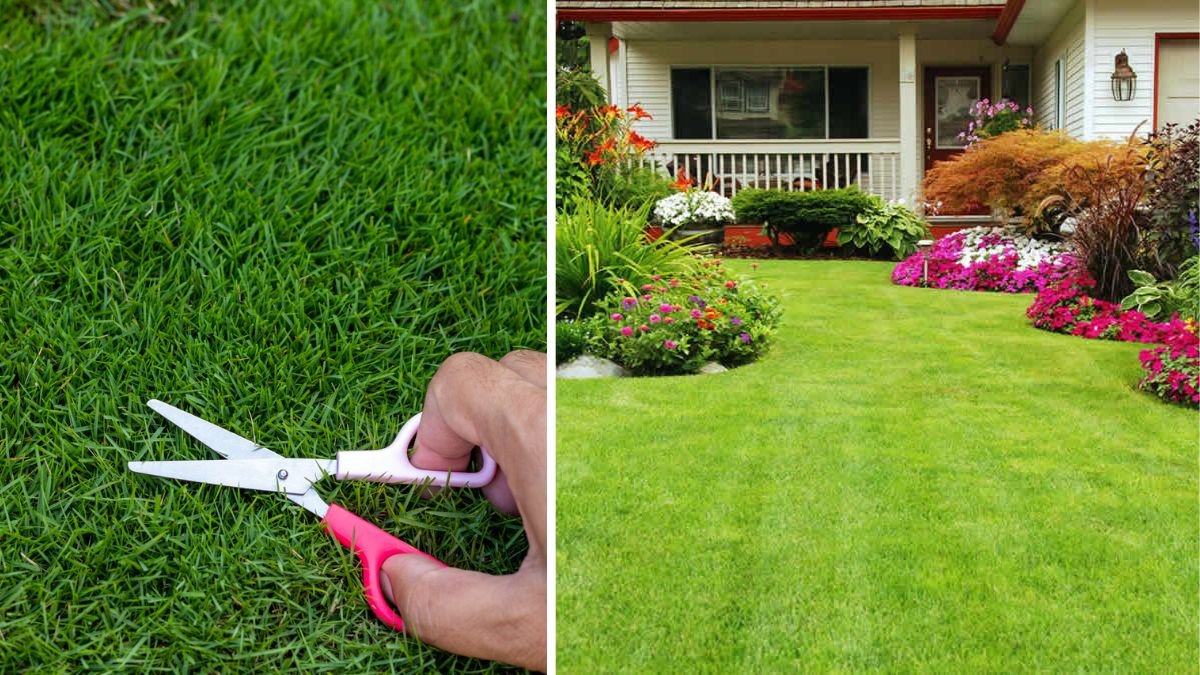
A lush, green lawn is often the centerpiece of a beautiful garden, a space where families play, pets roam, and neighbors admire. Yet, achieving this ideal green space doesn’t have to rely on chemical fertilizers, pesticides, or excessive watering. In fact, creating a healthy lawn naturally and sustainably can save money, protect the environment, and give your outdoor space a vibrant, resilient charm. Here’s a detailed guide to help you cultivate a perfectly green lawn using eco-friendly methods.
Understanding the Natural Lawn Ecosystem
Before diving into the “how,” it’s crucial to understand what makes a lawn healthy. A thriving lawn is not just about grass color—it’s about balance. Soil health, grass species, water availability, and sunlight all work together to create a sustainable ecosystem. By fostering a natural environment, you encourage strong root systems, beneficial microbes, and resilient grass that can withstand drought, pests, and foot traffic.
Healthy soil is the foundation. Natural lawns thrive when the soil has adequate nutrients, good structure, and rich organic matter. Instead of relying on chemical fertilizers, focus on enhancing soil fertility through natural amendments like compost, worm castings, and mulching. These improve soil aeration, water retention, and nutrient availability.
Choosing the Right Grass for Your Climate
A key mistake many homeowners make is planting grass that isn’t suited for their region. Different grass types thrive under varying climates, soil types, and sun exposure. Warm-season grasses, such as Bermuda, Zoysia, and St. Augustine, flourish in hot climates. Cool-season grasses, like Kentucky bluegrass, fescues, and ryegrass, thrive in temperate areas.
Selecting the right grass reduces the need for chemical inputs and excessive watering. For a sustainable lawn, choose native or drought-resistant grass varieties. These grasses have evolved to withstand local pests, soil conditions, and seasonal changes, which makes them naturally low-maintenance and eco-friendly.
Mowing Practices That Promote Growth
Mowing is more than just aesthetic maintenance—it’s a vital component of lawn health. Natural lawns require mowing techniques that promote deep root growth and reduce stress on the grass. Here’s how to mow sustainably:
- Set the Correct Height: Avoid cutting more than one-third of the grass blade at a time. Taller grass shades the soil, retains moisture, and encourages deeper roots. Most lawns thrive at heights between 2.5 to 4 inches depending on the grass type.
- Use Sharp Blades: Dull mower blades tear grass rather than cut it cleanly, leading to stress and vulnerability to disease. Regularly sharpen mower blades for clean cuts.
- Leave Grass Clippings: Grass clippings act as natural fertilizer, returning nitrogen and organic matter to the soil. This reduces the need for synthetic fertilizers and improves soil health over time.
Watering the Eco-Friendly Way
Watering is often the largest resource drain in lawn care, yet proper techniques can drastically reduce water use while keeping grass green. Natural, sustainable watering focuses on deep, infrequent irrigation rather than frequent shallow watering. Deep watering encourages roots to grow downward, making the lawn more drought-resistant.
- Water Early in the Morning: Evaporation is lowest in the early hours, ensuring maximum water absorption.
- Use Rainwater: Collecting rainwater in barrels or cisterns is an excellent eco-friendly practice. It reduces reliance on municipal water and provides natural, chemical-free hydration for your lawn.
- Install Efficient Irrigation Systems: Drip irrigation or smart sprinklers minimize waste and deliver water where it’s needed most.
Enriching Soil Naturally
Soil is the heart of a healthy lawn. To achieve a natural green lawn, focus on feeding the soil rather than just the grass. Consider the following techniques:
- Composting: Applying compost enriches soil with organic matter, beneficial microbes, and slow-release nutrients. Spread a thin layer once or twice a year to improve soil fertility.
- Aeration: Compacted soil restricts root growth. Aerating your lawn by creating small holes improves air circulation, water penetration, and nutrient uptake.
- Mulching: Mulching with organic material like shredded leaves or grass clippings adds nutrients while retaining moisture and suppressing weeds naturally.
These practices reduce dependency on chemical fertilizers and improve soil structure over time, allowing your lawn to maintain its green vibrancy naturally.
Natural Weed and Pest Control
A common misconception is that a perfectly green lawn requires herbicides and pesticides. In reality, healthy lawns naturally resist weeds and pests. Here’s how to maintain balance:
- Promote Dense Growth: Thick, healthy grass shades the soil and leaves little room for weeds to grow. Overseeding thin areas helps create a uniform, weed-resistant lawn.
- Hand Weeding: Spot-treating weeds by hand or using natural tools like vinegar solutions minimizes chemical usage.
- Encourage Beneficial Insects: Ladybugs, ground beetles, and nematodes naturally control pest populations. Planting flowers or creating insect habitats in garden borders supports these allies.
Using Natural Fertilizers
Instead of synthetic fertilizers, opt for natural, slow-release options that feed the soil gradually:
- Compost Tea: This liquid solution of steeped compost enriches soil microbiology and boosts nutrient availability.
- Seaweed Extracts: Rich in micronutrients, seaweed supports root growth and overall plant health.
- Organic Lawn Fertilizers: Products labeled as 100% organic provide essential nutrients without harming the environment.
Natural fertilization enhances soil life, encourages resilience, and ensures a sustainable green lawn for years to come.
Seasonal Care for a Sustainable Lawn
Your lawn’s needs change with the seasons. Adjusting care routines naturally ensures it remains green and healthy throughout the year.
- Spring: Reseed thin areas, aerate the soil, and apply compost to boost growth after winter dormancy.
- Summer: Water deeply and mow at a higher setting to prevent heat stress. Mulch around garden borders to conserve soil moisture.
- Fall: Overseed and fertilize with organic options to prepare for the next growing season.
- Winter: Minimize foot traffic on dormant grass, and remove debris to prevent disease.
Seasonal awareness reduces stress on the lawn and avoids unnecessary chemical interventions.
Eco-Friendly Lawn Alternatives
For those looking to minimize traditional grass altogether, consider sustainable alternatives:
- Clover Lawns: Clover stays green longer, requires less mowing, and fixes nitrogen naturally in the soil.
- Native Ground Covers: Options like creeping thyme or moss thrive in shade and require minimal care.
- Meadow Lawns: Planting a mix of grasses and wildflowers creates a natural look that attracts pollinators and reduces maintenance.
These alternatives are not only beautiful but also enhance biodiversity and reduce environmental impact.
Benefits Beyond Beauty
A green, natural lawn offers more than just aesthetic appeal:
- Environmental Impact: Reduced chemical use and efficient water management lower pollution and conserve resources.
- Soil Health: Organic practices improve soil fertility and structure.
- Biodiversity: Native plants and reduced chemicals support pollinators and beneficial insects.
- Cost Savings: Less fertilizer, pesticide, and water use reduce long-term maintenance expenses.
- Resilience: Natural lawns develop stronger root systems, better drought tolerance, and resistance to pests and disease.
Conclusion
Achieving a perfectly green lawn naturally and sustainably is entirely possible with knowledge, patience, and eco-friendly practices. By understanding your soil, choosing the right grass, mowing smartly, watering efficiently, enriching soil naturally, and embracing beneficial insects and natural fertilizers, you create a lawn that thrives without harming the environment. Seasonal adjustments and exploring eco-friendly alternatives further enhance resilience and sustainability.
Your garden becomes more than just a green space—it becomes a living, breathing ecosystem, offering beauty, functionality, and environmental benefits. With a little dedication, your lawn can be a sustainable oasis that’s as vibrant as it is responsible, proving that natural methods can indeed deliver perfection.
This article is structured for readability, SEO optimization, and detailed practical guidance.
If you want, I can also add a subheading section with 10 practical “Do’s and Don’ts” for a green lawn, which would make it even more actionable and shareable. It would boost engagement for readers who like quick tips.