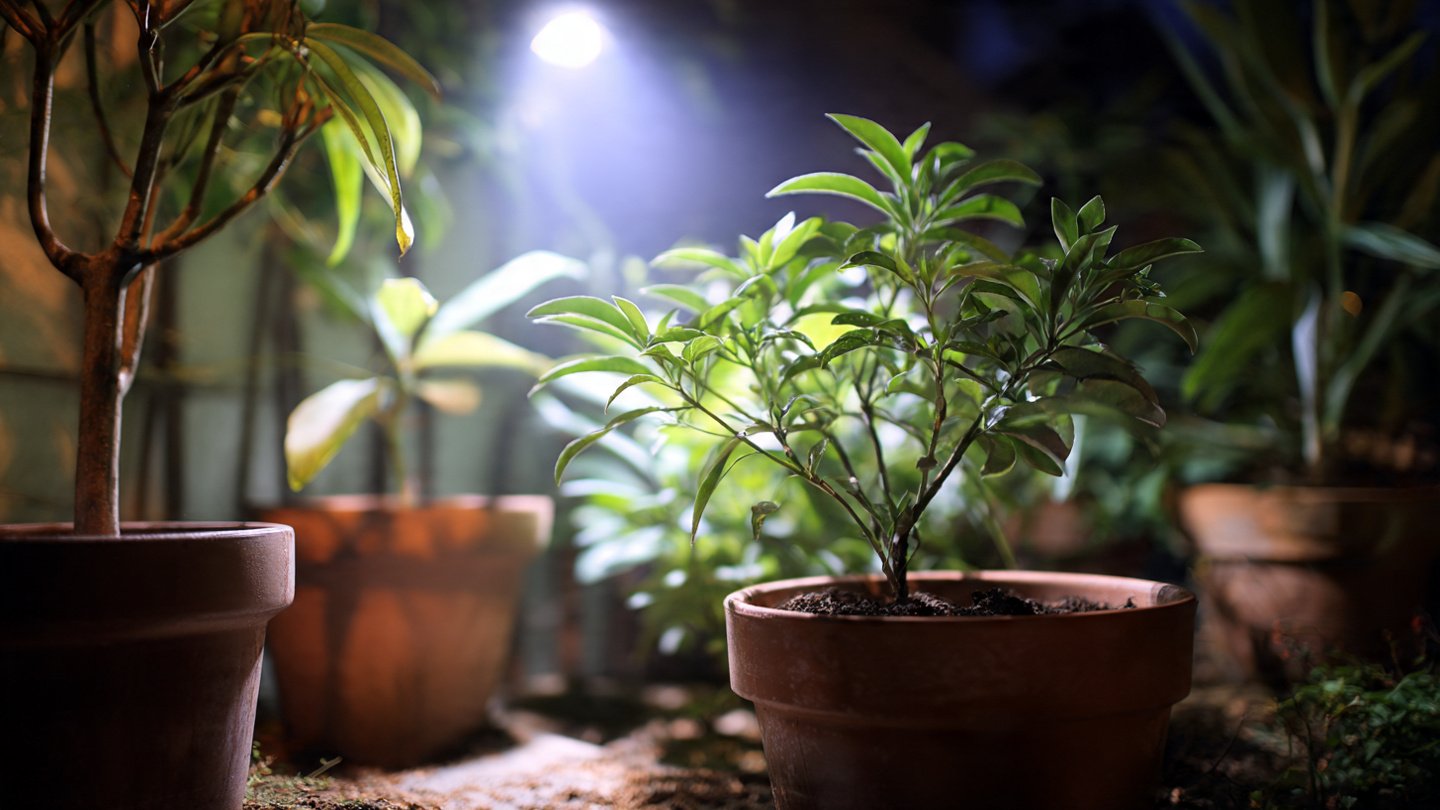
Indoor gardening has surged in popularity over the past decade, as more people recognize the beauty, health benefits, and mental wellness that houseplants bring. While sunlight remains the primary energy source for plants, low voltage lighting has emerged as a transformative tool in indoor and container gardening. Properly implemented, low voltage lighting doesn’t just brighten your space—it actively improves plant growth, health, and aesthetic appeal.
This article explores how low voltage lighting can revolutionize the care of your potted plants, offering practical tips and insights for both beginner and experienced plant enthusiasts.
Understanding Low Voltage Lighting
Low voltage lighting refers to a lighting system powered by a 12-volt or 24-volt transformer, rather than the standard household 110–240 volts. This type of lighting is commonly used for landscape gardens, terrariums, and indoor plant setups due to its safety, flexibility, and energy efficiency.
Advantages of Low Voltage Lighting for Plants:
- Safety: Reduced electrical risk, making it ideal for indoor use around water-filled pots.
- Energy Efficiency: Uses less power, lowering electricity bills while running 24/7 if needed.
- Heat Management: Produces minimal heat, preventing leaf burn—a common problem with standard incandescent lights.
- Flexibility: Easy to adjust, reposition, or add to your plant arrangement without extensive rewiring.
Low voltage lighting provides a gentle but effective supplemental light source for potted plants, ensuring they get adequate energy to thrive even in areas with limited natural sunlight.
Why Potted Plants Benefit from Supplemental Lighting
Plants rely on photosynthesis, a process that converts light into chemical energy to support growth. In indoor environments or shady corners, natural sunlight may not be sufficient for optimal plant health. Low voltage lighting can:
- Enhance Growth: Ensures plants receive enough light to develop strong stems and healthy leaves.
- Promote Flowering: Certain plants like orchids, African violets, and begonias respond well to extended light periods.
- Prevent Leggy Growth: Low light often causes plants to stretch toward windows, resulting in weak, elongated stems.
- Increase Foliage Color: Proper lighting intensifies leaf pigmentation, keeping plants vibrant and visually appealing.
With the right light spectrum and placement, low voltage lighting acts as a personalized sun substitute, boosting your potted plants’ vitality.
Choosing the Right Low Voltage Lighting for Your Plants
Not all low voltage lights are created equal. When selecting lighting for potted plants, consider the following factors:
1. Light Spectrum
Plants absorb light primarily in the blue and red spectrum.
- Blue light (400–500 nm): Promotes leafy growth and compact structure.
- Red light (600–700 nm): Encourages flowering and fruiting.
- Full-spectrum LED lights: Mimic natural sunlight, providing a balance of blue, red, and green light for overall plant health.
2. Intensity
Different plants require different light intensities:
- Low-light plants: Peace lilies, ferns, and snake plants need gentle light.
- Medium-light plants: African violets, herbs, and philodendrons require moderate intensity.
- High-light plants: Tomatoes, citrus trees, and succulents need stronger light to thrive.
3. Duration
Most potted plants benefit from 12–16 hours of supplemental light per day, mimicking natural daylight cycles. Automated timers can simplify this process.
4. Placement
Keep low voltage lights 6–18 inches above the plant canopy, depending on intensity. Adjustable mounts allow you to reposition lights as plants grow, ensuring uniform coverage.
How Low Voltage Lighting Improves Daily Plant Care
1. Encourages Consistent Growth
Indoor plants often struggle with uneven lighting from windows. Low voltage lighting fills in the gaps, promoting uniform growth across all leaves and stems. This consistency helps potted plants develop balanced structures, reducing the need for frequent pruning or training.
2. Supports Seasonal Growth
During winter, natural daylight hours shorten, affecting plant growth. Low voltage lighting compensates for reduced sunlight, keeping plants active and healthy year-round. Even tropical species, which rely on long daylight periods, can thrive indoors with supplemental lighting.
3. Improves Water Management
When plants grow vigorously under proper lighting, they also absorb water and nutrients more efficiently. Healthy roots and foliage help potted plants prevent overwatering or underwatering, as they naturally regulate their water usage according to light availability.
4. Reduces Pest Problems
Healthy, well-lit plants are less susceptible to pests like spider mites, aphids, and fungus gnats. Proper lighting strengthens leaf tissue, creating a natural defense against infestations.
Innovative Ways to Use Low Voltage Lighting for Potted Plants
1. Under-Shelf Lighting
Install low voltage LED strips under shelves or cabinets to illuminate plants on higher tiers. This method ensures lower plants receive adequate light without repositioning them.
2. Spotlights for Highlighting
Use adjustable spotlights to focus light on individual potted plants. This not only provides supplemental energy but also accentuates plant beauty, turning your indoor garden into a living display.
3. Miniature Greenhouse Setups
For small indoor gardens or windowsills, integrate low voltage lights into a terrarium or mini-greenhouse. This controlled environment allows you to manage humidity, light, and temperature simultaneously, maximizing plant health.
4. Combination with Natural Light
Even in sunlit rooms, low voltage lights can fill shaded corners or extend daylight hours, ensuring every plant receives sufficient energy for growth. Combining natural and supplemental light offers the best of both worlds.
Energy Efficiency and Cost Benefits
Low voltage lighting is not only beneficial for plant growth but also economical:
- Low energy consumption: Most low voltage LED systems use 10–20 watts per fixture, significantly less than traditional lighting.
- Long lifespan: LEDs can last up to 50,000 hours, reducing replacement frequency.
- Minimal heat emission: Unlike incandescent bulbs, low voltage LEDs do not overheat pots or soil, reducing water evaporation and cooling needs.
The efficiency of low voltage systems makes them ideal for sustainable indoor gardening, saving money while enhancing plant growth.
Common Mistakes to Avoid
To maximize benefits, avoid these pitfalls:
- Overcrowding Plants: Ensure lights reach all plants without shading others.
- Incorrect Light Distance: Lights too close can burn leaves; too far reduces growth benefits.
- Ignoring Light Duration: Short exposure limits photosynthesis; excessive exposure may stress plants.
- Using Non-Spectrum Lights: Ordinary white LEDs do not provide optimal energy for plant growth.
- Neglecting Rotation: Rotate pots periodically for uniform light exposure on all sides.
Attention to these details ensures your investment in low voltage lighting pays off.
The Long-Term Impact on Plant Health
With consistent low voltage lighting, potted plants develop:
- Stronger stems and leaves capable of supporting flowers and fruit
- Enhanced pigmentation for vibrant foliage
- Higher resilience against pests and environmental stress
- Consistent flowering and fruiting cycles even in low-light seasons
Ultimately, this leads to a thriving indoor garden that requires less intervention and delivers higher aesthetic and nutritional value.
Final Thoughts
Low voltage lighting has revolutionized the care of potted plants, making it possible to maintain vibrant, healthy indoor gardens year-round, regardless of natural light conditions. By selecting the right spectrum, intensity, and placement, gardeners can stimulate growth, promote flowering, and reduce plant stress in a safe, energy-efficient way.
Whether you are growing a small windowsill herb collection, tropical houseplants, or a decorative indoor garden, low voltage lighting transforms plant care from guesswork into a precise, controlled process, enhancing both growth and beauty.
By integrating low voltage lighting into your indoor garden, you unlock a world of possibilities: lush foliage, abundant flowers, and thriving plants, all while enjoying a safer, energy-efficient, and visually stunning environment.