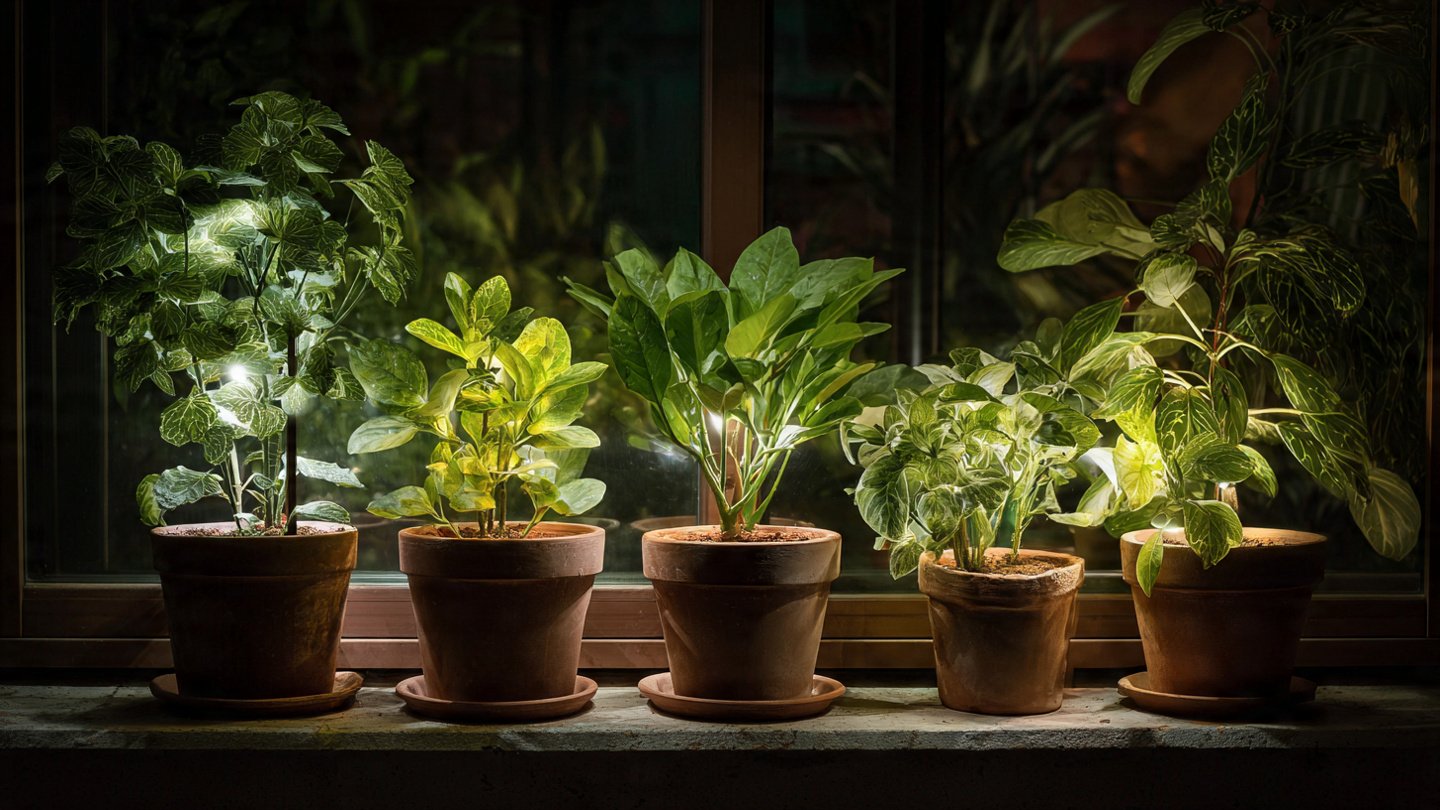
Caring for potted plants in homes, balconies, or urban apartments can be challenging. Limited sunlight, irregular schedules, and compact spaces often affect plant growth and vitality. However, one simple yet transformative solution is low voltage lighting. Once primarily used for outdoor ambiance, low voltage lighting has now become an essential tool for enhancing plant health, aesthetics, and overall care.
In this guide, we’ll explore how low voltage lighting works, its benefits for potted plants, the types of lighting available, and practical ways to incorporate it into your home or garden for thriving, lush greenery.
Understanding Low Voltage Lighting
Low voltage lighting operates at 12 volts instead of the standard household voltage (120–240 volts). This makes it safer, energy-efficient, and highly adaptable, especially for indoor and container gardening.
Unlike traditional lighting, low voltage systems use a transformer to reduce the voltage and deliver a consistent, gentle light that can mimic natural sunlight. These systems are ideal for potted plants because they provide:
- Controlled light intensity
- Reduced heat output
- Flexible placement options
- Energy efficiency and safety
Because of these features, low voltage lighting can enhance photosynthesis, stimulate growth, and extend the life of indoor plants.
Why Potted Plants Benefit From Low Voltage Lighting
Potted plants, especially indoor or balcony plants, often face challenges that outdoor garden plants do not:
- Limited natural light: Buildings, curtains, or orientation may restrict sunlight.
- Variable sunlight intensity: Some spots may be too shaded or too hot at certain times of day.
- Seasonal changes: Winter months drastically reduce available sunlight.
Low voltage lighting addresses these issues by providing consistent, supplemental light. This promotes healthier growth, stronger stems, vibrant foliage, and better flowering.
Boosting Photosynthesis
Photosynthesis is the process by which plants convert light into energy. For potted plants, insufficient light can:
- Slow growth
- Cause leggy stems
- Reduce leaf size and color
- Limit flowering and fruiting
Low voltage LED lights are designed to emit specific wavelengths in the blue and red spectrum, which are essential for photosynthesis. By strategically placing these lights near potted plants, you can compensate for natural light deficiencies and ensure your plants thrive year-round.
Enhancing Growth in Limited Spaces
One of the main challenges in container gardening is space constraints. Potted plants often need artificial lighting to grow robustly when natural sunlight is limited.
- Compact setups: Low voltage lighting allows you to provide sufficient light without crowding your plants.
- Custom placement: Adjustable fixtures and flexible wiring enable targeted light, reaching even shaded areas.
- Layered growth: You can grow taller plants behind shorter ones without worrying about light competition.
In essence, low voltage lighting transforms small urban or indoor spaces into highly productive green areas, enabling gardeners to cultivate more plants in less space.
Promoting Flowering and Fruit Production
Low voltage lights aren’t just for leafy plants—they also help flowering and fruiting plants thrive. Many indoor plants, such as:
- Orchids
- African violets
- Tomatoes or peppers in containers
- Lemon or lime trees in pots
…require consistent light to bloom or bear fruit.
By providing 12–14 hours of low voltage supplemental light per day, you can mimic the long summer days needed for flowering and fruiting, resulting in more blooms, stronger fruits, and healthier plant cycles.
Safety Benefits of Low Voltage Systems
Traditional high-voltage lighting can be risky, particularly in areas where plants are watered frequently. Low voltage lighting offers several safety advantages:
- Reduced shock risk: 12-volt systems are safe for indoor and balcony use.
- Lower heat emission: LEDs and low-voltage halogens produce minimal heat, preventing leaf burn and soil drying.
- Energy efficiency: Low voltage systems consume far less electricity, which is ideal for continuous use in plant care.
This makes them suitable for both beginners and experienced gardeners who want safe, hassle-free supplemental lighting.
Choosing the Right Low Voltage Lights for Potted Plants
Not all low voltage lights are equally beneficial for plant growth. When selecting lighting for your potted plants, consider the following:
1. LED Grow Lights
- Emit the precise blue and red wavelengths required for photosynthesis.
- Energy-efficient, long-lasting, and low-heat.
- Ideal for both indoor and balcony setups.
2. Halogen Low Voltage Lights
- Provide warm light that supports flowering plants.
- Slightly higher heat output—best for plants that need warmth, like tropical species.
- Usually used outdoors or in greenhouses.
3. Adjustable Fixtures
- Clip-on or flexible lamps allow for custom positioning.
- Help direct light to shaded leaves, ensuring uniform growth.
When choosing lights, consider plant type, growth stage, and available space. A combination of overhead and side lighting often yields the best results for potted plants.
Placement Strategies for Maximum Impact
Proper placement is key to making low voltage lighting effective:
- Overhead Positioning: Place lights above plants to mimic natural sunlight. Ideal for foliage growth.
- Side Lighting: Targets shaded stems or leaves for more even growth.
- Spacing: Keep lights 6–12 inches from plants to prevent heat stress while ensuring sufficient intensity.
- Timers: Using a timer ensures consistent light exposure, creating an automated growth cycle for your plants.
By combining placement techniques, you can create an optimal microenvironment for your potted plants to flourish.
Seasonal and Environmental Benefits
Low voltage lighting helps mitigate challenges posed by seasonal changes:
- Winter: Compensates for shorter days and low sunlight intensity.
- Rainy Season: Keeps plants healthy even when cloudy skies limit natural light.
- Urban Shade: Overcomes shadows from nearby buildings or trees.
Additionally, using supplemental light during these periods reduces stress, maintains vibrant foliage, and keeps flowering and fruiting consistent.
Integrating Aesthetics With Plant Care
Low voltage lighting not only promotes plant health but also enhances visual appeal:
- Warm LED or halogen lights can highlight foliage and flowers, creating a lush, vibrant display.
- Strategic lighting turns your potted plants into a living centerpiece, perfect for patios, balconies, or indoor corners.
- Decorative fixtures combine functionality with ambiance, allowing you to blend plant care with interior or exterior design.
In this way, low voltage lighting bridges the gap between practicality and beauty, transforming your plant space into a tranquil, illuminated retreat.
Tips for Maximizing the Benefits
- Rotate Plants Regularly: Ensure all sides receive sufficient light.
- Monitor Soil Moisture: Supplemental lighting can slightly increase evaporation; adjust watering accordingly.
- Use Reflective Surfaces: Mirrors or light-colored walls enhance light distribution.
- Combine With Organic Nutrition: Light stimulates growth, but nutrients are still essential for vibrant plants.
- Avoid Overexposure: Too much light can stress plants; 12–14 hours is generally optimal.
These practices ensure your potted plants grow faster, stronger, and healthier with low voltage lighting support.
Final Thoughts
Low voltage lighting is more than just a decorative feature—it’s a powerful tool for plant growth, health, and vitality. For potted plants, particularly in urban or indoor settings, these lighting systems provide consistent light, promote photosynthesis, support flowering and fruiting, and allow you to cultivate lush, vibrant greenery year-round.
By selecting the right lights, positioning them strategically, and combining them with proper watering, soil, and nutrition practices, you can unlock the full potential of your potted plants, turning any small balcony, patio, or indoor corner into a thriving urban oasis.
Whether you are a beginner looking to enhance your indoor greenery or an experienced gardener aiming to optimize growth in limited spaces, low voltage lighting is a game-changer—providing safety, efficiency, and beauty, all while promoting healthier, happier plants.