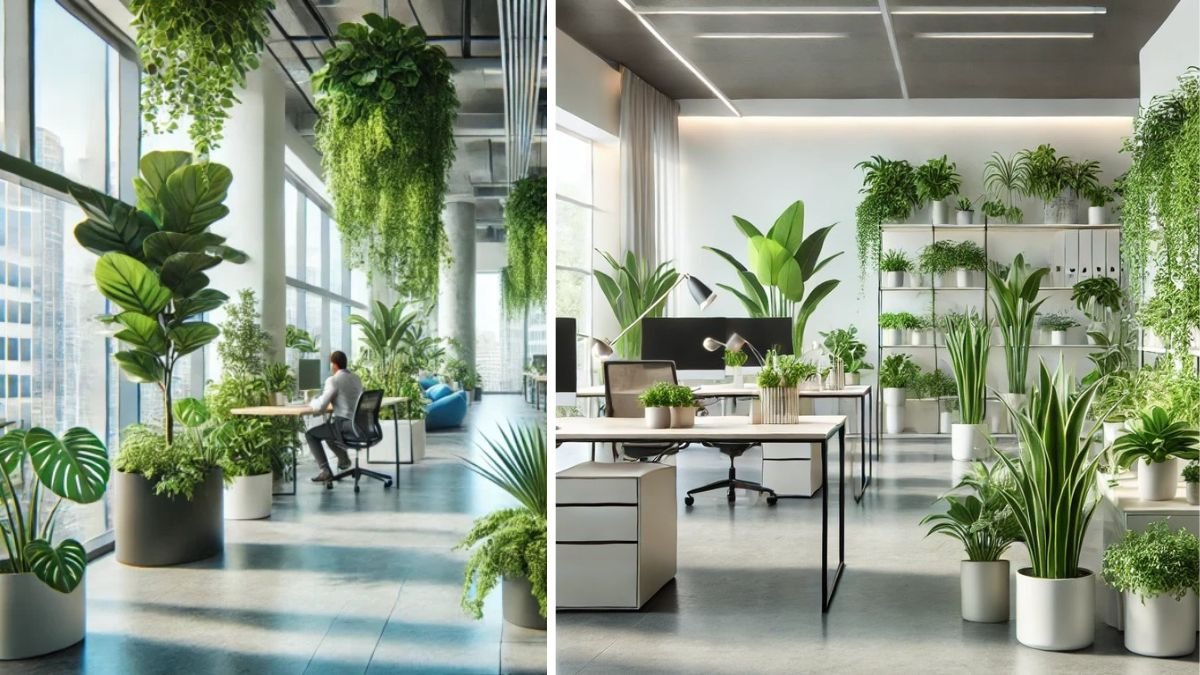
In today’s fast-paced world, a workspace isn’t just a place to get work done—it’s a reflection of creativity, focus, and personality. The aesthetics of your office or home workspace play a critical role in your productivity, mood, and overall well-being. Among the many elements that define modern workspace design, clean line foliage has emerged as a subtle yet transformative force. By incorporating plants with clean, structured lines into your environment, you can elevate the style of your workspace while enjoying the mental and physical benefits that greenery brings.
Understanding Clean Line Foliage
“Clean line foliage” refers to plants with simple, architectural forms that emphasize clarity, minimalism, and elegance. Unlike bushy or sprawling plants, these types have a streamlined appearance, often featuring straight stems, symmetrical leaves, or geometric shapes. Examples include:
- Snake Plants (Sansevieria): Known for upright, sword-like leaves.
- Zamioculcas Zamiifolia (ZZ Plant): Glossy, smooth leaves with symmetrical growth.
- Dracaena Marginata: Tall, narrow stems with pointed leaves.
- Ficus Lyrata (Fiddle Leaf Fig): Large, sculptural leaves with a clean silhouette.
- Sansevieria Cylindrica: Cylindrical leaves forming a tidy, fan-like arrangement.
These plants harmonize with modern décor because their forms are unobtrusive, visually appealing, and complement minimalist design principles.
Why Modern Workspaces Benefit from Clean Line Foliage
1. Enhances Visual Simplicity
Modern design often emphasizes clean lines, neutral palettes, and uncluttered surfaces. Adding foliage with structured shapes aligns perfectly with these principles. Clean line plants don’t overwhelm the space; instead, they integrate seamlessly, providing natural accents that draw the eye without adding chaos.
For instance, a tall snake plant in a minimalist pot can occupy an empty corner, creating vertical interest while maintaining the simplicity of the workspace. The plant’s upward lines complement the linear geometry of desks, shelves, and light fixtures, reinforcing a coherent design language.
2. Improves Focus and Productivity
Research consistently shows that indoor plants can boost concentration, productivity, and creativity. Clean line foliage has the added benefit of being visually calming. Their uncluttered shapes minimize visual noise, reducing distractions and promoting mental clarity.
Unlike chaotic or overgrown greenery, structured plants guide the eyes naturally along their lines, encouraging focus and providing a subtle sense of order—qualities essential in work environments where concentration matters.
3. Creates a Sense of Balance
Modern spaces often feature stark contrasts between sleek technology, glass surfaces, and hard materials. Incorporating plants with clean, linear forms softens the environment while maintaining harmony. Their sculptural nature can serve as a counterbalance to angular furniture or metallic finishes, creating a more inviting and balanced workspace.
For example, a ZZ plant with glossy leaves placed next to a monochrome desk introduces a natural element that feels deliberate and curated rather than haphazard.
Choosing the Right Clean Line Foliage for Your Workspace
1. Consider Space and Scale
When selecting foliage, size matters. Tall plants like Dracaena Marginata work well for open corners, while smaller structured plants like Sansevieria or succulent varieties are ideal for desktops or shelves. Ensure your plant complements the scale of your room—oversized plants can dominate a compact workspace, while tiny plants may get lost in a large area.
2. Light Requirements
Assess the natural lighting in your workspace. Clean line plants often thrive in moderate light conditions:
- Low Light: ZZ plants, snake plants, and certain dracaenas tolerate indirect light.
- Bright Indirect Light: Fiddle leaf figs and other taller tropical plants thrive near windows without direct sun.
Choosing the right plant ensures longevity and reduces maintenance stress.
3. Maintenance Level
Modern workspaces demand plants that are low-maintenance yet visually impactful. Clean line foliage generally fits this criterion because their structured forms grow predictably and require minimal pruning. Consider:
- Snake Plants: Hardy and drought-tolerant.
- ZZ Plants: Resilient to low light and irregular watering.
- Dracaena: Minimal trimming needed, tolerates indoor conditions.
By selecting low-maintenance plants, you can maintain style without sacrificing productivity for upkeep.
Styling Tips: Incorporating Clean Line Foliage in Modern Workspaces
1. Desk-Level Impact
Small to medium clean line plants on desks can instantly refresh your workspace:
- Use geometric pots or monochrome planters to enhance the modern aesthetic.
- Arrange single stems or a pair of symmetrical plants to create a structured look.
- Avoid cluttering the desk—one or two well-placed plants are more effective than multiple small pots.
2. Floor-Level Statements
For larger areas, tall foliage can serve as sculptural elements:
- Position a Dracaena or Fiddle Leaf Fig beside bookshelves or along empty walls to draw the eye upward.
- Use sleek planters with straight edges to maintain design coherence.
- Group multiple clean line plants of varying heights to create visual hierarchy and dimension.
3. Shelving and Wall Integration
Vertical shelves provide an opportunity to introduce linear greenery without taking floor space:
- Use small pots of succulents or mini snake plants spaced evenly along a shelf.
- Combine clean line foliage with minimal décor elements like books, frames, or sculptures.
- Keep the arrangement symmetrical for a polished and modern appearance.
4. Color and Texture Play
Even in a minimalist workspace, subtle variations in color and texture enhance depth:
- Glossy leaves like ZZ plants reflect light, adding subtle vibrancy.
- Matte leaves of certain dracaenas provide contrast.
- Pair greenery with neutral-colored furniture or metallic accents for a sophisticated look.
Psychological Benefits of Clean Line Foliage in Workspaces
Beyond aesthetics, incorporating clean line foliage affects mental well-being:
- Stress Reduction: Studies show that exposure to plants reduces cortisol levels and promotes relaxation. Structured plants, with their orderly appearance, amplify this effect.
- Boosts Creativity: The natural forms of clean line plants provide inspiration without distraction.
- Improves Air Quality: Many clean line plants, like snake plants and ZZ plants, naturally filter indoor air, creating a healthier environment for focus-intensive tasks.
- Encourages Mindfulness: Caring for plants, even minimally, fosters a connection with nature and adds small moments of mindful practice in your day.
Practical Considerations for Workspace Integration
- Placement Matters: Avoid obstructing pathways or natural light sources. Plants should complement, not hinder, daily workflow.
- Consistency in Style: Choose foliage and pots that match the overall color palette and design of the workspace for cohesive styling.
- Rotation and Growth Management: Trim or rotate plants periodically to maintain their clean lines and prevent overgrowth.
- Minimal Accessories: Resist the urge to over-decorate plant areas—clean line foliage shines best in uncluttered surroundings.
Modern Workspace Examples with Clean Line Foliage
- Home Offices: A single tall Dracaena in a corner adds elegance without overwhelming the room. Paired with a minimalist desk and neutral walls, it instantly elevates the space.
- Corporate Workstations: Snake plants in uniform pots along partition edges create symmetry, calm, and a refreshing ambiance.
- Creative Studios: Grouped ZZ plants and succulents along shelves provide inspiration, structure, and visual interest while keeping the area open for collaboration.
- Co-Working Spaces: Fiddle leaf figs or tall dracaenas create natural dividers between desks, offering privacy and style simultaneously.
In each setting, clean line foliage doesn’t just fill space—it defines the character and functionality of the workspace.
Conclusion
Clean line foliage is more than a decorative trend—it’s a versatile design tool that transforms modern workspaces in both form and function. By integrating plants with structured, minimalistic shapes, you can enhance aesthetics, support well-being, and create a productive, inspiring environment. From the visual simplicity of snake plants to the sculptural presence of fiddle leaf figs, clean line plants offer elegance, calm, and life to any office or home workspace.
Whether you’re designing a new office, refreshing your home desk area, or looking for subtle ways to elevate your work environment, clean line foliage provides a timeless solution. Its structured forms align perfectly with modern design principles, while its natural benefits support focus, creativity, and mental clarity.
Ultimately, introducing clean line foliage isn’t just about decoration—it’s about creating a workspace that nurtures efficiency, style, and well-being all at once. By thoughtfully choosing the right plants, positioning them strategically, and maintaining their pristine forms, you can transform your workspace into a modern oasis where productivity and style flourish together.