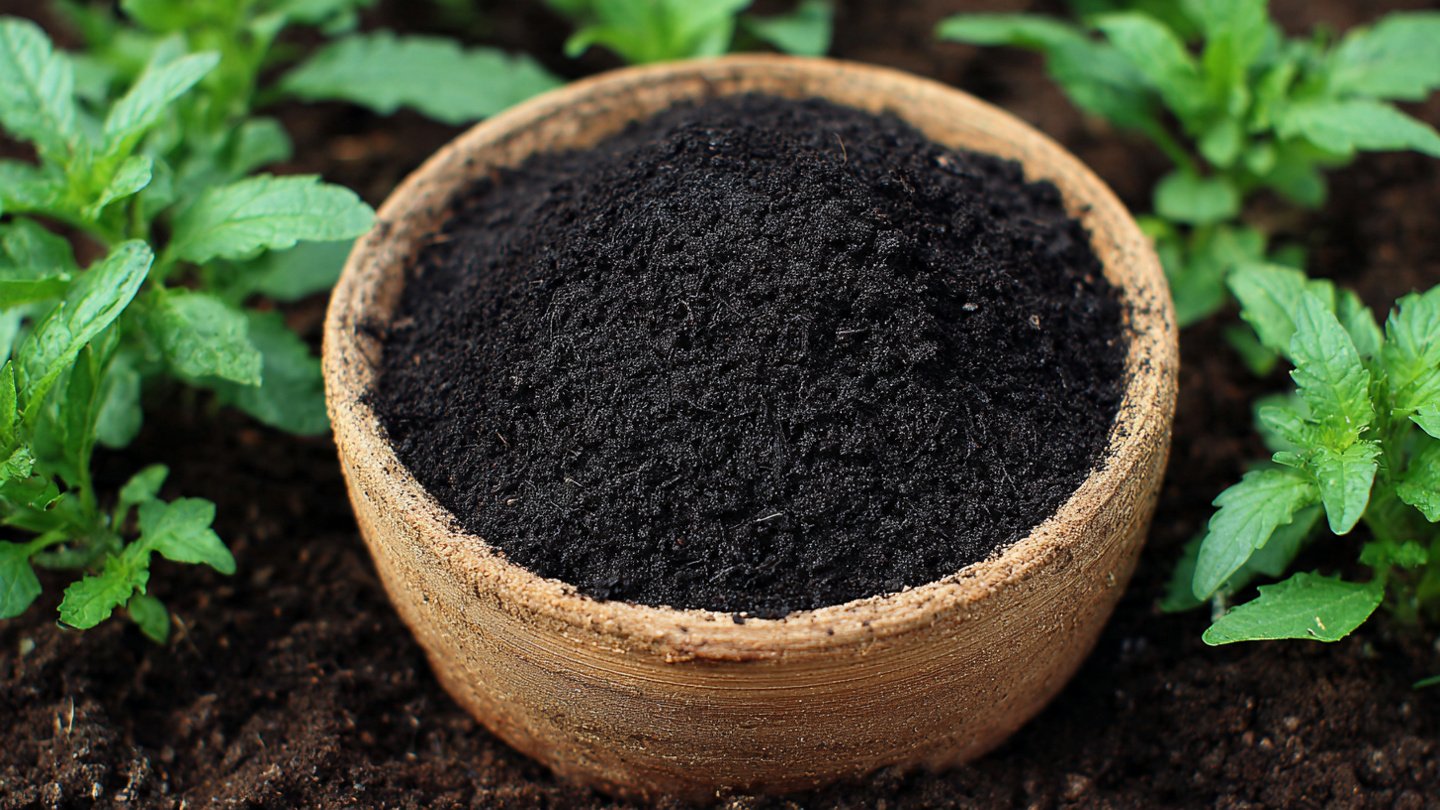
For gardeners seeking to improve soil health, boost plant growth, and embrace sustainable practices, biochar has emerged as a powerful solution. Often described as a “black gold” for soil, biochar is a form of charcoal produced from organic materials that, when added to garden soil, can dramatically improve its fertility, structure, and resilience. While it has been used in agriculture for centuries, recent research highlights its remarkable potential to transform modern gardens into thriving, productive ecosystems. This article will explore what biochar is, how it works, and how it can revolutionize your garden soil.
Understanding Biochar
What Is Biochar?
Biochar is a carbon-rich material created by heating organic biomass—such as wood, crop residues, or manure—in a low-oxygen environment, a process known as pyrolysis. Unlike ordinary charcoal, biochar is specifically designed for soil enhancement rather than fuel. Its highly porous structure allows it to retain nutrients, water, and beneficial microbes, making it a game-changer for gardeners.
How Biochar Differs from Regular Compost
While both biochar and compost improve soil health, they serve different functions:
- Compost: Provides nutrients and organic matter that decompose over time.
- Biochar: Primarily improves soil structure, water retention, and microbial habitat, acting as a long-term soil amendment.
When used together, biochar and compost can create a synergistic effect, maximizing soil fertility and plant growth.
How Biochar Improves Garden Soil
Biochar offers numerous benefits that can dramatically transform garden soil:
1. Enhances Soil Structure
Biochar’s porous nature improves soil aeration and drainage, especially in compacted clay soils. This creates a favorable environment for plant roots to grow, leading to healthier and stronger plants. Sandy soils, on the other hand, benefit from biochar’s ability to retain water, reducing the need for frequent irrigation.
2. Boosts Nutrient Retention
One of biochar’s most powerful benefits is its ability to retain nutrients in the soil. Traditional soils often lose nutrients through leaching during heavy rain. Biochar acts like a sponge, holding onto vital nutrients such as nitrogen, phosphorus, and potassium, releasing them gradually to plants over time.
3. Promotes Beneficial Microbial Activity
Soil microbes play a crucial role in decomposing organic matter, fixing nitrogen, and protecting plants from disease. Biochar provides a habitat for these microorganisms, encouraging a diverse and active soil ecosystem. Healthier microbes mean healthier plants and improved yields.
4. Increases Water Retention
Gardeners in dry climates or those facing irregular rainfall will appreciate biochar’s ability to retain moisture. Its porous structure stores water like a reservoir, allowing plant roots to access it during dry spells. This can reduce water usage and help plants survive periods of drought.
5. Helps Regulate Soil pH
Certain biochars can help stabilize soil pH, making it less acidic or too alkaline. This creates a more balanced environment for plant growth, especially for species that prefer neutral or slightly acidic soil.
6. Reduces Greenhouse Gas Emissions
Biochar doesn’t just benefit your garden—it benefits the planet. By sequestering carbon in a stable form, biochar reduces CO₂ emissions, helping mitigate climate change. Additionally, it can reduce nitrous oxide and methane emissions from soil, both potent greenhouse gases.
How to Use Biochar in Your Garden
To transform your garden soil effectively, it’s essential to use biochar correctly. Here’s a step-by-step guide:
1. Choosing the Right Biochar
Not all biochar is created equal. When selecting biochar:
- Look for garden-grade biochar labeled for horticultural use.
- Avoid biochar with additives, chemicals, or residues from treated wood.
- Consider particle size: smaller particles are easier to mix into soil, while larger chunks can be used for long-term amendments.
2. Charging Biochar Before Use
Fresh biochar is highly porous but can initially absorb nutrients from the soil, temporarily depriving plants. To avoid this, it’s important to “charge” biochar before adding it:
- Mix biochar with compost, worm castings, or well-rotted manure.
- Soak it in nutrient-rich solutions or liquid fertilizer for a few days.
- This allows the biochar to absorb nutrients and become ready to support plant growth.
3. Incorporating Biochar Into Soil
- Vegetable Beds: Mix biochar into the top 6–12 inches of soil.
- Flower Gardens: Work biochar into the planting area to improve aeration and water retention.
- Potting Mixes: Add 5–10% biochar by volume to your potting soil for indoor or container plants.
4. Combining Biochar With Other Amendments
For best results, combine biochar with compost, mulch, or organic fertilizers. The combination enhances nutrient availability and supports a thriving microbial community. Biochar acts as a carrier, allowing nutrients to stay in the soil longer and feeding plants efficiently.
Biochar and Different Types of Garden Soil
Clay Soils
- Biochar improves drainage and reduces compaction.
- Creates air pockets, preventing waterlogging.
Sandy Soils
- Helps retain moisture and nutrients that would otherwise leach away.
- Increases the soil’s ability to support plant roots.
Loamy Soils
- Enhances overall fertility and microbial activity.
- Helps maintain balanced pH and nutrient availability.
Common Mistakes to Avoid When Using Biochar
Even though biochar is beneficial, mistakes can reduce its effectiveness:
- Adding Biochar Directly Without Charging: Can temporarily starve plants of nutrients.
- Using Too Much: Excess biochar may alter soil pH excessively or bind too many nutrients.
- Ignoring Soil Type: Overlooking soil composition can reduce benefits; clay and sandy soils benefit most.
- Skipping Compost or Fertilizer: Biochar alone doesn’t provide nutrients; it’s a supplement, not a replacement.
Real-Life Examples of Biochar in Gardens
Vegetable Gardens
Gardeners have reported larger yields and healthier crops when biochar is added to vegetable beds. Tomatoes, peppers, and leafy greens benefit from improved soil structure and nutrient retention.
Flower Gardens
In flower beds, biochar promotes vibrant blooms and stronger root systems, especially in sandy or low-fertility soils.
Indoor Container Plants
Even for potted plants, adding biochar to the potting mix improves water retention, reduces soil compaction, and supports microbial life, helping houseplants thrive.
Environmental and Long-Term Benefits
Beyond immediate garden improvements, biochar offers long-term environmental advantages:
- Carbon Sequestration: Locks carbon in the soil for hundreds to thousands of years.
- Reduced Fertilizer Use: Retains nutrients, reducing the need for synthetic fertilizers.
- Sustainable Soil Management: Improves soil health while reducing erosion and runoff.
By investing in biochar, gardeners not only enhance their gardens but also contribute to a more sustainable and resilient ecosystem.
Conclusion
Biochar is more than just a soil amendment—it’s a transformative tool that can turn average, struggling garden soil into a thriving, fertile environment. By improving soil structure, enhancing nutrient retention, promoting beneficial microbial life, and increasing water retention, biochar supports healthier plants and more abundant yields. When combined with compost or organic fertilizers, its benefits are amplified, making it a vital component of modern, sustainable gardening practices.
Whether you’re a seasoned gardener or just starting out, incorporating biochar into your garden soil is a step toward better plant growth, improved soil health, and a greener planet. With the right preparation, proper use, and regular maintenance, biochar can truly transform your garden, creating a lush, productive, and resilient landscape for years to come.