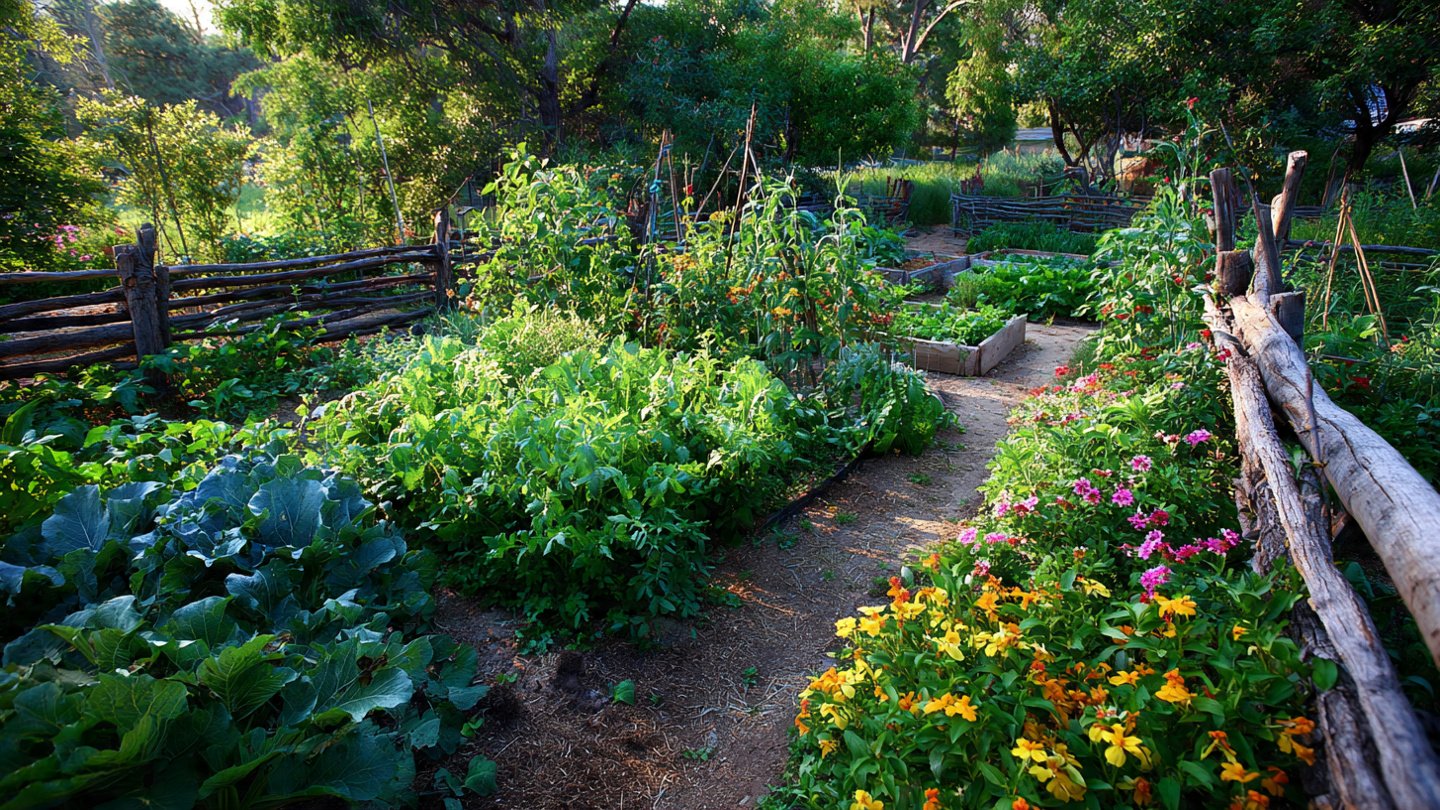
If you’ve ever watched your vegetable plants struggle in strong winds—leaves torn, stems bent, soil dried out too quickly—you already know that wind can be one of the biggest hidden enemies in a productive garden. While sunlight, water, and soil get most of the attention, wind protection is often overlooked. That’s where a windbreak comes in.
A well-planned windbreak can dramatically transform the health, productivity, and resilience of your vegetable garden. From protecting tender plants to improving soil moisture and boosting yields, windbreaks are a simple yet powerful gardening tool. Let’s explore how they work, why they matter, and how you can use them to create a thriving vegetable garden.
What Is a Windbreak?
A windbreak is any structure or planting designed to slow down and redirect wind before it reaches your garden. Windbreaks can be:
- Living (trees, shrubs, tall grasses)
- Semi-permanent (bamboo screens, trellises)
- Temporary (shade cloth, garden netting, fences)
Unlike solid walls that block wind completely, effective windbreaks filter wind, reducing its speed without creating damaging turbulence.
Why Wind Is a Problem for Vegetable Gardens
Wind might seem harmless, but constant or strong wind can negatively affect vegetables in several ways:
1. Physical Damage to Plants
Strong winds can:
- Break stems and branches
- Tear leaves, reducing photosynthesis
- Knock over young seedlings
Leafy greens, tomatoes, peppers, beans, and cucumbers are especially vulnerable.
2. Rapid Moisture Loss
Wind increases evaporation from both soil and plant leaves. This causes:
- Faster soil drying
- Increased watering needs
- Drought stress even in well-watered gardens
3. Poor Pollination
Excessive wind can:
- Disrupt pollinator activity
- Shake flowers loose before pollination
- Reduce fruit set in crops like tomatoes, squash, and beans
4. Cooler Soil and Air Temperatures
Cold winds lower temperatures around plants, slowing growth—especially in early spring and cooler climates.
How a Windbreak Transforms Vegetable Garden Growth
Installing a windbreak can create a noticeable difference in your garden’s performance. Here’s how:
1. Healthier, Stronger Plants
By reducing wind speed, plants experience less physical stress. This allows them to:
- Grow upright and strong
- Develop thicker stems
- Produce more leaves for photosynthesis
Vegetables like tomatoes, eggplants, peas, and corn benefit greatly from calmer conditions.
2. Improved Soil Moisture Retention
With reduced wind, evaporation slows down significantly. This leads to:
- Moist soil for longer periods
- Less frequent watering
- More consistent moisture levels
Stable moisture encourages deeper root growth, making plants more drought-resistant.
3. Faster Growth and Earlier Harvests
Windbreaks create a warmer microclimate by:
- Trapping warm air
- Reducing cold wind exposure
- Slightly increasing soil temperature
This can result in:
- Faster seed germination
- Earlier flowering
- Quicker harvest times
Gardeners often notice vegetables maturing days or even weeks earlier.
4. Higher Yields and Better Produce Quality
When plants are less stressed, they can focus energy on production rather than survival. Windbreaks help:
- Increase fruit size
- Improve uniform growth
- Reduce blemishes caused by wind damage
Crops like lettuce, spinach, cabbage, peppers, and tomatoes show visibly improved quality.
5. Better Pollination and Fruit Set
Calmer garden conditions allow pollinators like bees and butterflies to move easily. This improves:
- Flower pollination
- Fruit formation
- Overall productivity
Windbreaks also prevent flowers from dropping prematurely.
6. Reduced Soil Erosion and Nutrient Loss
Strong winds can blow away:
- Topsoil
- Mulch
- Organic matter
A windbreak protects the soil surface, helping retain nutrients and maintain healthy soil structure—essential for long-term garden success.
Best Types of Windbreaks for Vegetable Gardens
Choosing the right windbreak depends on space, climate, and garden size.
Living Windbreaks (Best Long-Term Solution)
Trees and Shrubs
Examples:
- Bamboo (clumping varieties)
- Moringa
- Neem
- Hibiscus
- Areca palm
Advantages:
- Long-lasting
- Improve biodiversity
- Provide shade and habitat for beneficial insects
Tip: Plant living windbreaks on the windward side of your garden.
Semi-Permanent Windbreaks
Examples:
- Trellises with climbing plants
- Bamboo fencing
- Reed or jute screens
Climbing plants such as bottle gourd, bitter gourd, beans, or cucumbers can double as both windbreaks and food producers.
Temporary and Seasonal Windbreaks
Examples:
- Shade cloth (30–50%)
- Garden netting
- Plastic sheets (used carefully)
These are ideal for:
- Young seedlings
- Seasonal gardens
- High-wind months
How Tall Should a Windbreak Be?
A windbreak protects an area up to 10 times its height on the leeward side.
For example:
- A 1-meter tall windbreak can protect up to 10 meters of garden space.
This makes even short barriers extremely effective in small home gardens.
Smart Placement Tips for Maximum Impact
- Place windbreaks perpendicular to prevailing winds
- Avoid solid walls—aim for 40–50% permeability
- Keep some airflow to prevent fungal diseases
- Leave enough space so plants don’t compete for light
Common Mistakes to Avoid
- ❌ Using solid walls that cause wind turbulence
- ❌ Planting windbreaks too close, blocking sunlight
- ❌ Ignoring seasonal wind direction
- ❌ Allowing living windbreaks to shade vegetables excessively
Windbreaks and Sustainable Gardening
Windbreaks align perfectly with eco-friendly gardening practices. They:
- Reduce water use
- Lower plant stress naturally
- Minimize reliance on chemical inputs
- Support beneficial insects and birds
They also enhance the overall beauty and structure of your garden.
Final Thoughts: Is a Windbreak Worth It?
Absolutely. A windbreak is one of the simplest yet most impactful upgrades you can make to your vegetable garden. By reducing wind stress, conserving moisture, protecting soil, and creating a favorable microclimate, windbreaks help plants grow healthier and produce more abundant harvests.
Whether you use living plants, garden screens, or simple netting, the benefits are clear. Once you experience the difference a windbreak makes, you’ll wonder how your garden ever survived without one.
A calmer garden is a more productive garden—and a windbreak is the key.