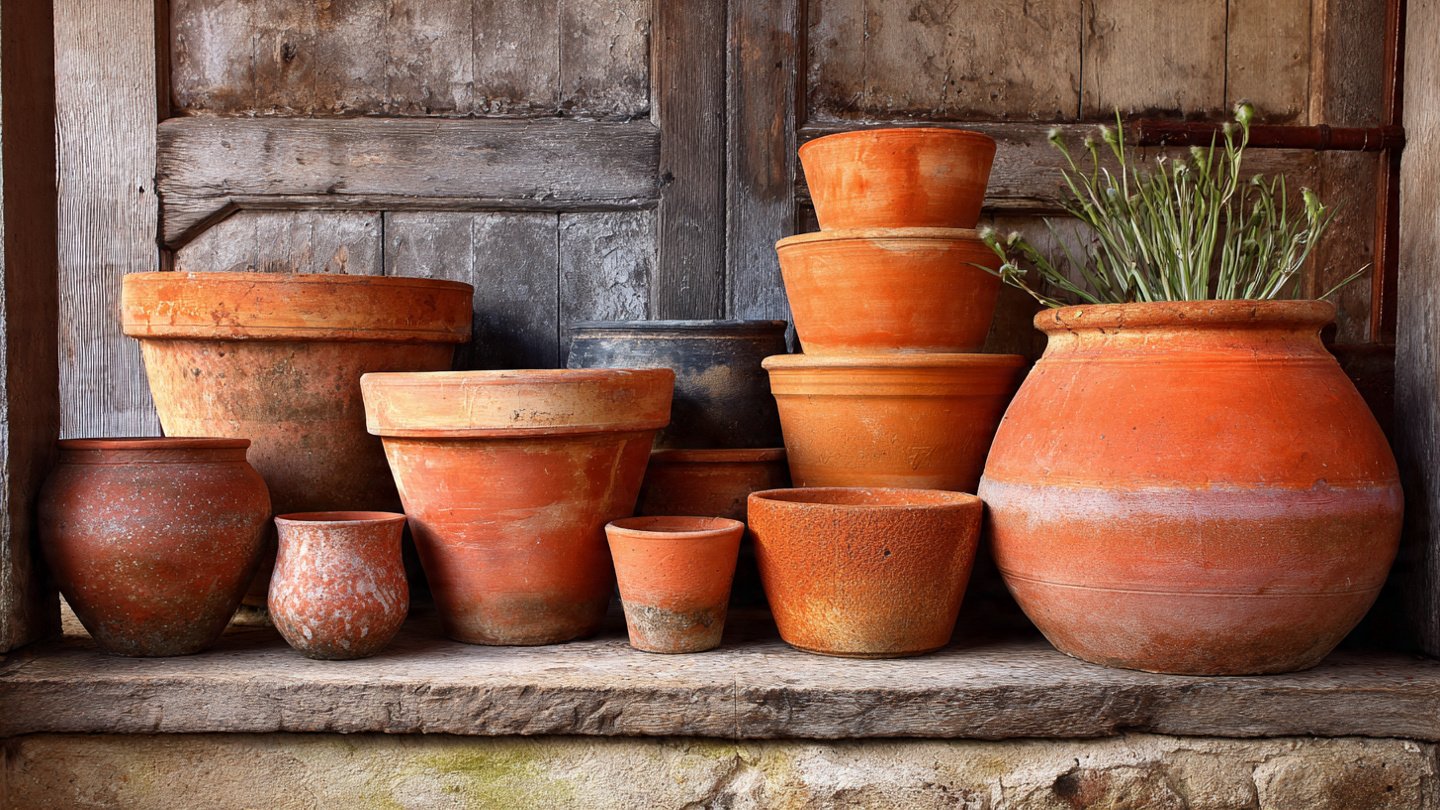
Terracotta pots have been a gardener’s favorite for centuries. Their classic earthy look, excellent drainage, and breathability make them ideal for a wide variety of plants. However, over time, terracotta pots often accumulate mineral deposits, dirt, and stubborn stains that can dull their natural beauty and affect plant health. That’s where a simple household solution comes in—a vinegar soak.
A vinegar soak is a cost-effective, eco-friendly way to restore terracotta pots, removing mineral buildup, disinfecting the surface, and giving your pots a fresh, clean look. In this guide, we’ll explore how a vinegar soak works, step-by-step instructions, benefits, and some additional tips to get the most out of your terracotta planters.
Why Terracotta Pots Need Cleaning
Terracotta is a porous material, which is part of its appeal but also its challenge. Over time, these pores absorb:
- Mineral deposits from water: Hard water leaves white or chalky stains.
- Soil and fertilizer residues: Leftover salts and nutrients can build up inside the pot.
- Algae, mold, or moss: Especially on pots that stay damp or are outdoors.
If left untreated, these residues can:
- Block water absorption and drainage
- Reduce air flow to plant roots
- Cause unattractive discoloration
- Harbor pests or pathogens
A vinegar soak helps restore terracotta pots to their natural state while being gentle on the material and safe for plants.
How Vinegar Works on Terracotta
Vinegar is a mild acid, typically 5% acetic acid, which makes it excellent for breaking down mineral deposits and dirt. Here’s why vinegar is effective:
- Dissolves mineral buildup: Calcium, lime, and other salts react with vinegar and loosen from the porous surface.
- Kills bacteria and fungi: Its acidity inhibits mold, algae, and other harmful microorganisms.
- Removes odors: Vinegar neutralizes musty or stale smells from old soil.
Unlike harsh chemicals, vinegar is non-toxic, eco-friendly, and inexpensive, making it perfect for regular terracotta maintenance.
Step 1: Remove Plants and Soil
Before soaking, it’s important to prepare your pots:
- Carefully remove any plants and place them aside.
- Empty the soil completely. You can save the soil if it’s still healthy, but remove any roots or debris.
- Brush off loose dirt using a soft brush or old toothbrush.
This initial cleaning prevents excess soil from mixing with the vinegar and ensures a more effective soak.
Step 2: Prepare the Vinegar Solution
You don’t need anything fancy—just a mixture of vinegar and water:
- Standard ratio: 1 part white vinegar to 2 parts warm water
- Use enough solution to fully submerge the terracotta pot if possible
Optional: For extra cleaning power, you can gently heat the solution (warm, not boiling) before use.
Step 3: Soak the Terracotta Pots
Now comes the transformative step:
- Submerge the pot completely in the vinegar solution.
- Let it soak for 30 minutes to 1 hour.
- For heavy mineral buildup, you can leave the pot for several hours or overnight.
- Ensure that both the inside and outside surfaces are exposed to the vinegar.
During soaking, you’ll notice some of the chalky mineral deposits starting to loosen. The acid in the vinegar gradually breaks down these stubborn residues without damaging the terracotta.
Step 4: Scrub Away Residue
After soaking, most stains should come off easily with gentle scrubbing:
- Use a soft brush or sponge to clean the interior and exterior.
- For stubborn spots, a toothbrush or nylon scrub brush works well.
- Avoid metal brushes, as they can scratch or weaken the terracotta.
Rinse thoroughly with clean water after scrubbing. Any remaining vinegar should be washed away to avoid altering the soil’s pH when you repot plants.
Step 5: Dry the Terracotta Pots Completely
Terracotta is porous, so proper drying is essential:
- Allow pots to air dry completely in the sun or a well-ventilated area.
- Avoid leaving them in a damp environment, as this can encourage mold growth.
Completely dry terracotta ensures your pots are ready for planting and prevents water from pooling inside, which could affect plant health.
Benefits of a Vinegar Soak for Terracotta Pots
1. Restores Natural Beauty
A vinegar soak removes white mineral deposits, leaving your pots looking fresh, vibrant, and natural. The earthy orange or red color of terracotta reappears, enhancing garden aesthetics.
2. Improves Plant Health
Removing mineral buildup ensures better water absorption and healthy root growth. Plants can thrive without interference from salts and residues.
3. Eco-Friendly and Safe
Vinegar is non-toxic, biodegradable, and chemical-free. It’s safe for your plants, pets, and the environment.
4. Prevents Disease and Mold
The acidity of vinegar inhibits harmful microorganisms, reducing the risk of fungal infections, root rot, or algae growth.
5. Affordable and Convenient
You likely already have vinegar in your kitchen. Compared to commercial terracotta cleaners, this method is inexpensive and simple.
Extra Tips for Terracotta Maintenance
- Regular Soaking: Repeat the vinegar soak every few months to maintain pot health.
- Prevention: Use filtered or rainwater to minimize mineral buildup.
- Sealing (Optional): Some gardeners seal the exterior with natural clay sealants after cleaning to reduce future deposits.
- Avoid Harsh Chemicals: Bleach or strong acids can damage terracotta and leave residues harmful to plants.
- Check for Cracks: If your pots have minor cracks, the vinegar soak won’t worsen them, but it’s best to inspect and repair or replace damaged pots.
Creative Uses After Cleaning
Once your terracotta pots are clean and refreshed, you can use them creatively:
- Indoor Plant Display: Fresh terracotta complements leafy houseplants like pothos or snake plants.
- Herb Garden: Grow basil, parsley, or cilantro in clean pots on a sunny windowsill.
- Terrace or Balcony Garden: Group multiple cleaned pots to create an organized, vibrant green corner.
- Decorative Touch: Clean terracotta can also be painted or adorned for a customized look.
Common Mistakes to Avoid
- Using Undiluted Vinegar: Straight vinegar can be too strong and may etch delicate terracotta. Always dilute.
- Soaking Painted or Glazed Pots: Vinegar can remove or damage paint or glaze. Test on a small area first.
- Skipping Rinsing: Leaving vinegar residue can lower soil pH and affect plant growth. Always rinse thoroughly.
- Drying in Damp Areas: Terracotta should dry completely before reuse to prevent mold or algae buildup.
Final Thoughts
A vinegar soak is a simple, effective, and natural method to transform your terracotta pots. By following these steps—removing soil, soaking in a vinegar solution, scrubbing, and drying—you can restore the beauty, cleanliness, and functionality of your planters. Not only will your pots look fresh and vibrant, but your plants will also benefit from healthier roots, better drainage, and a more balanced growing environment.
Whether you are a beginner gardener or a seasoned plant lover, this method is budget-friendly, safe, and eco-conscious, making it an ideal solution for maintaining your terracotta pots. With regular care and occasional vinegar soaks, your terracotta collection can remain as charming and functional as the day you bought it—ready to host your favorite plants for years to come.