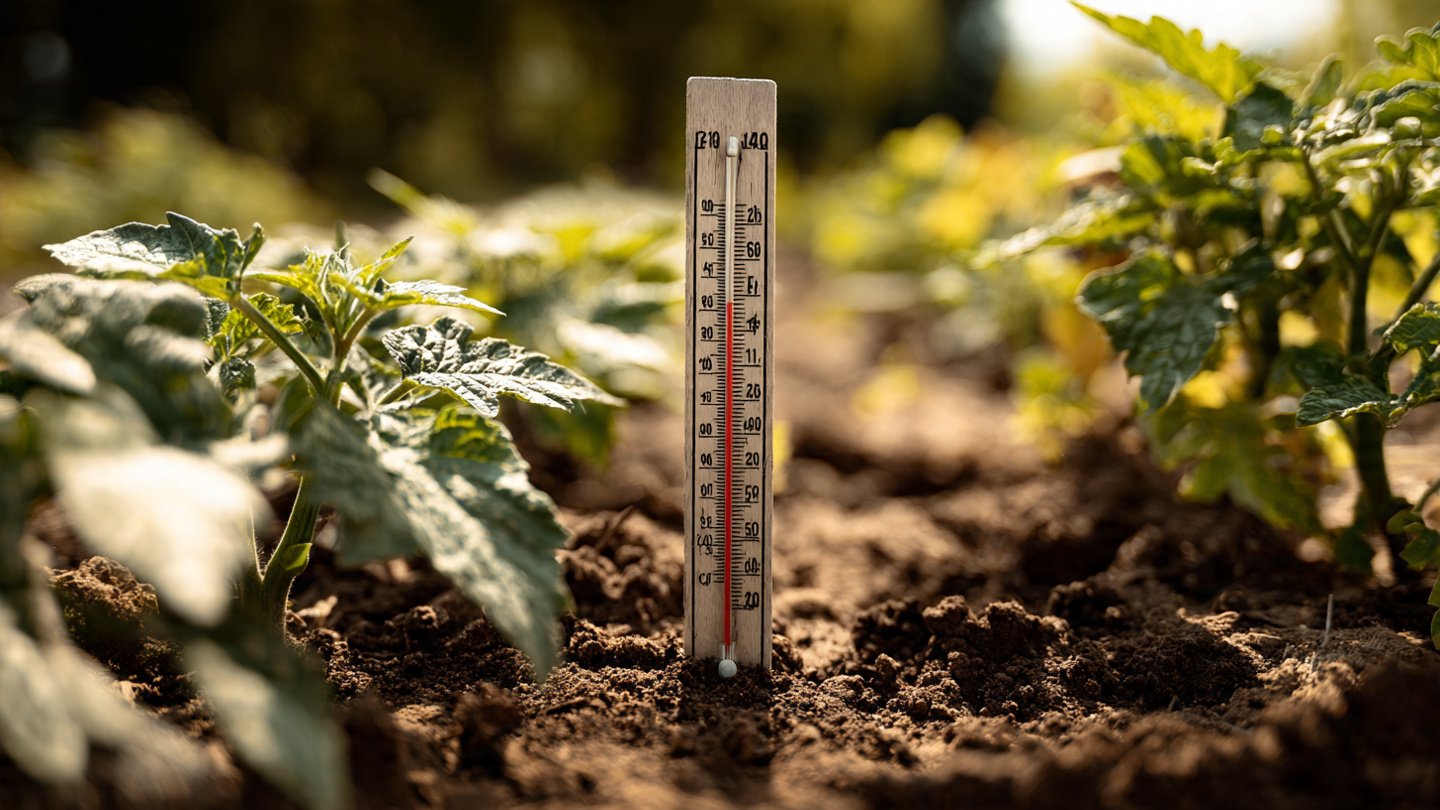
When it comes to successful gardening, timing is everything. You can have the best seeds, rich soil, and plenty of enthusiasm—but if you plant at the wrong time, your efforts may fall flat. This is where a soil thermometer quietly becomes one of the most powerful tools in your gardening kit. Often overlooked, this simple device can dramatically improve planting success, reduce wasted seeds, and help plants grow stronger from day one.
Understanding soil temperature isn’t just for professional farmers. Home gardeners, raised-bed growers, and even container gardeners can benefit from knowing exactly when the soil is ready. Let’s explore how a soil thermometer works, why soil temperature matters so much, and how using one can transform your planting results.
Why Soil Temperature Matters More Than Air Temperature
Many gardeners rely on air temperature or calendar dates to decide when to plant. While these factors are helpful, they don’t tell the whole story. Seeds and roots live in the soil—not the air—and soil temperature directly affects germination, root development, and nutrient uptake.
Soil warms and cools more slowly than air. You might experience a warm spring afternoon, but the soil could still be too cold for seeds to sprout. Planting too early can lead to slow germination, rot, weak seedlings, or total crop failure. On the other hand, waiting until the soil is truly ready allows plants to establish faster and grow more vigorously.
A soil thermometer removes guesswork and replaces it with precise, reliable information.
What Is a Soil Thermometer?
A soil thermometer is a simple tool designed to measure the temperature below the soil surface. It usually consists of a metal probe attached to an easy-to-read dial or digital display. Most are weather-resistant and built to be pushed several inches into the ground.
Unlike standard thermometers, soil thermometers are calibrated specifically for earth temperatures, making them more accurate for gardening use. They’re affordable, easy to use, and require no technical skills—just insert, wait, and read.
How Soil Temperature Affects Seed Germination
Each plant species has a minimum, optimal, and maximum soil temperature range for germination. When soil temperatures fall outside these ranges, seeds either fail to sprout or struggle to survive.
For example:
- Lettuce germinates best around 40–65°F (4–18°C)
- Carrots prefer 45–85°F (7–29°C)
- Tomatoes need at least 60°F (16°C)
- Corn thrives when soil reaches 65°F (18°C) or higher
Planting seeds before the soil reaches their preferred temperature often results in patchy growth or seed loss. With a soil thermometer, you can check whether conditions are ideal before planting, dramatically increasing germination success.
Preventing Seed Rot and Disease
Cold, wet soil is a breeding ground for fungal diseases and seed rot. Seeds planted too early may sit in the soil for days or weeks without sprouting, becoming vulnerable to pathogens. This is especially common with warm-season crops like beans, squash, and peppers.
By using a soil thermometer, you can avoid planting when conditions are risky. Waiting just a few extra days for the soil to warm can mean the difference between healthy seedlings and empty rows.
Improving Transplant Survival
Soil temperature doesn’t just affect seeds—it’s equally important for transplants. Moving seedlings from indoors or greenhouses into cold soil can shock their roots, slowing growth or killing the plant outright.
Checking soil temperature before transplanting ensures that roots can establish quickly. Warm soil encourages faster root expansion, better water absorption, and stronger nutrient uptake. This leads to sturdier plants that resist pests and stress more effectively.
Better Timing for Successive Planting
Many gardeners practice succession planting—sowing crops in stages to extend harvests. A soil thermometer helps determine when it’s safe to plant the next round.
For example, after harvesting early spring crops, soil temperatures may still be too cool for summer vegetables. Instead of guessing, you can monitor warming trends and plant at exactly the right moment, maximizing garden productivity.
Supporting Healthy Root Development
Roots are the foundation of every plant. Soil that’s too cold slows root metabolism, while soil that’s too hot can stress roots and limit nutrient absorption.
Using a soil thermometer allows gardeners to:
- Choose ideal planting windows
- Adjust mulch or shading to regulate temperature
- Decide when to water or cover soil
This level of control leads to healthier root systems, stronger plants, and better yields overall.
Helping You Choose the Right Crops
Not every garden warms at the same rate. Shady areas, clay soil, raised beds, and containers all behave differently. A soil thermometer helps you understand the unique conditions in your garden.
By tracking soil temperatures, you can:
- Identify which areas warm first
- Match crops to suitable locations
- Decide whether raised beds or coverings are needed
This knowledge lets you plant smarter instead of following generic gardening advice that may not fit your space.
Extending the Growing Season
One of the biggest advantages of using a soil thermometer is season extension. By monitoring soil temperature, gardeners can use tools like row covers, black plastic mulch, or cloches to warm soil earlier in spring or retain heat in fall.
Seeing actual temperature changes helps you decide when these methods are working—and when it’s safe to plant or harvest. This can add weeks to your growing season without expensive equipment.
How to Use a Soil Thermometer Correctly
Using a soil thermometer is simple, but accuracy matters. Follow these tips for best results:
- Insert the probe 2–4 inches deep for seeds, 4–6 inches for transplants
- Take readings in the morning for consistent results
- Measure multiple spots, especially in large gardens
- Avoid placing the thermometer near rocks or metal objects
- Wait a minute or two for the reading to stabilize
Recording temperatures over several days gives a clearer picture than a single reading.
Digital vs. Analog Soil Thermometers
Both digital and analog soil thermometers work well, but each has advantages.
Analog thermometers:
- Affordable
- No batteries required
- Durable and simple
Digital thermometers:
- Faster readings
- Higher precision
- Often include additional features like moisture sensors
For most home gardeners, a basic analog soil thermometer is more than sufficient.
A Small Tool With Big Results
Gardening success often comes down to paying attention to the details—and soil temperature is one of the most important details of all. A soil thermometer may not look impressive, but its impact on planting success is enormous.
By removing guesswork, protecting seeds, supporting roots, and improving timing, this simple tool helps gardeners grow stronger, healthier plants with less frustration. Whether you’re growing vegetables, flowers, or herbs, knowing your soil temperature gives you an edge that nature rewards generously.
If you’ve ever wondered why your seeds struggled or your transplants stalled, the answer may be right beneath your feet. With a soil thermometer in hand, you’ll never have to guess again—and your garden will thank you for it.