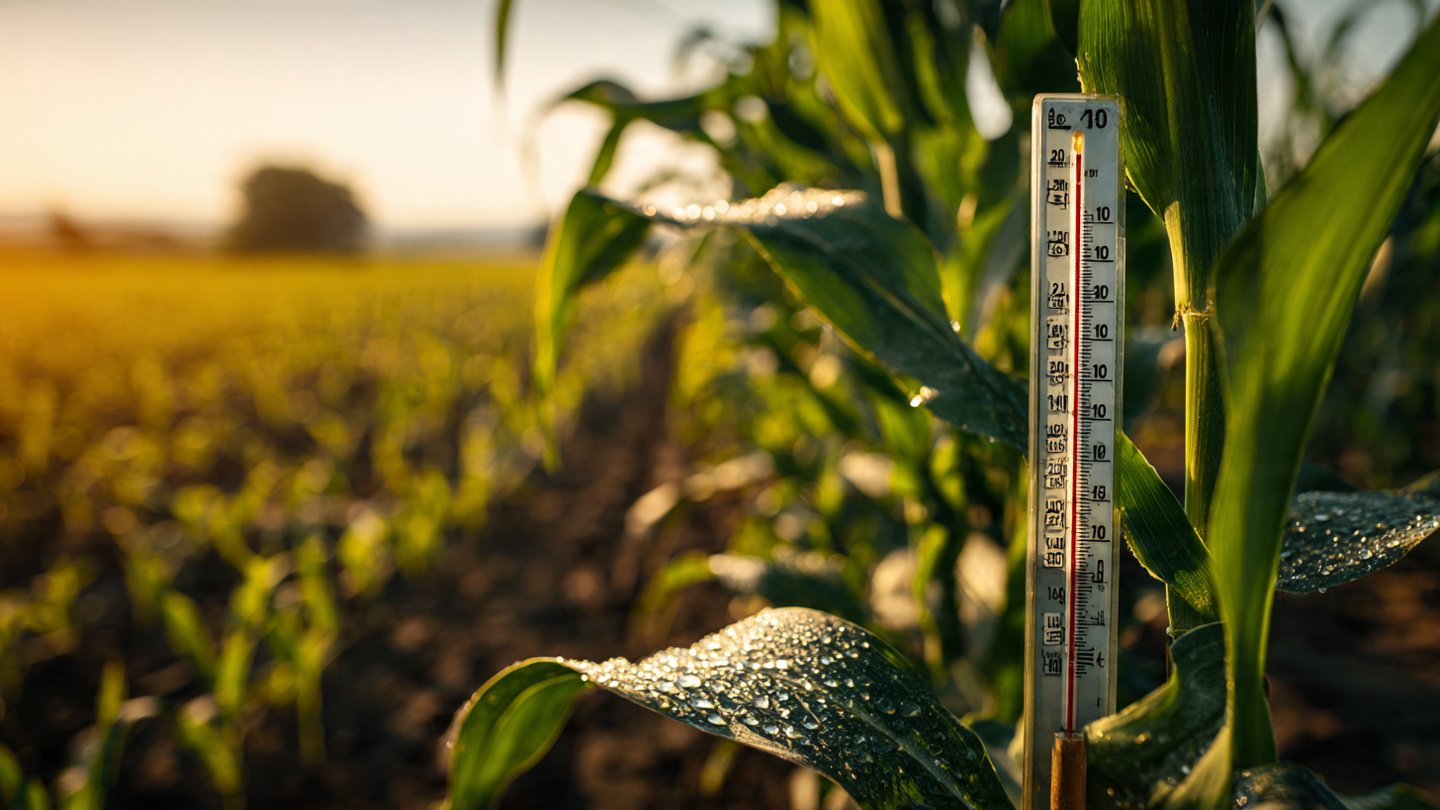
Corn (Zea mays) is one of the most widely grown crops in the world, cherished for its versatility, sweetness, and abundance. Whether you’re planting a small backyard patch or managing a larger garden, timing is everything when it comes to sowing corn. Plant too early, and your seeds may fail to germinate; plant too late, and your growing season may be cut short.
This is where a soil thermometer becomes an essential tool for gardeners and farmers alike. By accurately measuring soil temperature, you can make informed decisions that maximize germination, improve plant health, and boost yield. In this guide, we’ll explore how a soil thermometer works, why it’s critical for corn planting, and how to use it to transform your planting success.
Why Soil Temperature Matters for Corn
Unlike many plants, corn is highly sensitive to soil temperature at the time of planting. Corn seeds require warm soil to germinate, typically between 50°F (10°C) and 95°F (35°C), with optimal germination occurring around 60–95°F (16–35°C).
Effects of Planting in Cold Soil:
- Slow germination: Seeds may take longer to sprout or fail entirely.
- Increased disease risk: Cold, wet soil can encourage fungal infections like seed rot.
- Weak seedlings: Early growth may be stunted, reducing overall plant vigor.
Benefits of Planting in Optimal Soil Temperature:
- Faster and uniform germination
- Stronger seedlings with robust root systems
- Improved nutrient uptake and early growth
- Higher overall yield potential
Knowing the soil temperature is critical because it eliminates guesswork and ensures corn is planted under ideal conditions.
What Is a Soil Thermometer and How Does It Work?
A soil thermometer is a simple, yet powerful, tool that measures the temperature of the soil at different depths.
Types of Soil Thermometers:
- Analog Soil Thermometers: Traditional dial thermometers with a long probe. Easy to use but require manual reading.
- Digital Soil Thermometers: Provide precise readings and sometimes include memory functions or timers.
- Combination Probes: Measure soil moisture and temperature simultaneously for more informed planting decisions.
How to Use a Soil Thermometer:
- Insert the probe into the soil at the depth where you will plant the seeds (typically 1–2 inches for corn).
- Wait for the reading to stabilize.
- Compare the reading to the recommended germination range for corn.
- Make planting decisions based on the soil temperature.
Using a thermometer ensures you’re planting in soil that supports healthy germination and early growth.
Timing Corn Planting with Soil Temperature
Traditional planting methods often rely on calendar dates, but this approach doesn’t account for yearly variations in weather. Soil temperature provides a more accurate guide.
Early Spring Planting:
- Soil may still be cold even if air temperatures are mild
- Using a soil thermometer prevents planting too early, reducing the risk of failed germination
Late Planting:
- Ensures soil has warmed sufficiently
- Promotes faster emergence and uniform growth
- Helps extend the growing season in regions with shorter summers
By planting corn when the soil has reached the optimal temperature, you set your crop up for success from the very start.
Soil Depth Considerations
Soil temperature can vary significantly at different depths. Corn seeds are typically planted 1–2 inches deep. Checking the temperature at the actual planting depth provides a more accurate measurement than surface readings.
- Shallow soil: Warms quickly but may not reflect the temperature experienced by seeds below the surface
- Deeper soil: Warms more slowly but gives a better idea of conditions affecting root development
Most gardeners measure at the planting depth to ensure accurate timing.
Additional Benefits of Using a Soil Thermometer
Beyond determining planting time, a soil thermometer offers other advantages:
1. Improved Seed Germination Rates
Planting at optimal soil temperatures ensures that most seeds sprout, reducing waste and maximizing space.
2. Reduced Seedling Stress
Corn seedlings are less likely to experience stress from cold soil, leading to stronger, more resilient plants.
3. Better Fertilizer Efficiency
Nutrient uptake is temperature-dependent. By planting in warm soil, plants can access fertilizers more effectively.
4. Early Problem Detection
Sudden drops in soil temperature can signal frost risk or other environmental challenges, allowing timely protective measures.
5. Informed Crop Planning
Soil temperature data can help plan staggered plantings for a longer harvest period, ensuring continuous fresh corn.
Simple Techniques to Maximize Corn Planting Success
Using a soil thermometer is just one part of successful corn cultivation. Combine it with these techniques for the best results:
1. Pre-Warming Soil
- Cover soil with clear plastic sheets for a few days before planting
- Traps sunlight, warms soil, and accelerates germination
2. Seed Treatment
- Use pre-treated or soaked seeds to improve germination rates in marginal soil temperatures
3. Mulching After Planting
- Light mulch helps maintain soil warmth and moisture
- Reduces the risk of temperature swings affecting young seedlings
4. Choosing Early or Cold-Tolerant Varieties
- Some corn varieties are bred for early planting or colder conditions
- Using these varieties increases flexibility in planting schedules
5. Monitoring Soil Regularly
- Take daily readings during early spring
- Identify the optimal window when soil consistently reaches 60–65°F (15–18°C) at planting depth
Common Mistakes to Avoid
Even with a soil thermometer, mistakes can occur. Avoid these common pitfalls:
Planting Too Early
- Soil may warm during the day but remain cold at night
- Risk of poor germination and seed rot
Ignoring Soil Moisture
- Cold soil combined with excessive moisture increases fungal risk
- Ensure soil is moist but not waterlogged
Relying on Air Temperature Alone
- Air temperature doesn’t reflect soil temperature
- Seeds may remain dormant or fail to germinate despite warm air
Not Measuring at Planting Depth
- Surface readings can mislead you into planting too soon or too late
Step-by-Step Guide to Using a Soil Thermometer for Corn
- Prepare the Soil: Ensure it is loose, free of debris, and at your desired planting depth.
- Insert the Thermometer: Place the probe 1–2 inches into the soil.
- Wait for Accurate Reading: Allow a few minutes for the thermometer to stabilize.
- Check Recommended Temperature: Corn germinates best at 60–95°F (16–35°C).
- Decide on Planting: If the soil is within the optimal range, plant immediately.
- Record Readings: Keeping a log helps plan successive plantings and monitor seasonal trends.
Transforming Your Corn Planting Success
A soil thermometer is more than just a tool—it’s a game-changer. By providing precise, real-time information, it allows gardeners to:
- Plant at the perfect time for maximum germination
- Reduce crop failures and wasted seeds
- Grow stronger, healthier corn plants
- Optimize fertilizer use and watering
- Plan staggered plantings for extended harvest
For home gardeners and small-scale farmers, investing in a soil thermometer is a simple yet highly effective way to maximize yield and efficiency.
Final Thoughts
Soil temperature is a key factor in successful corn cultivation, often overlooked by gardeners relying solely on calendar dates or air temperatures. A soil thermometer provides accurate, actionable data, helping you determine the ideal planting window, reduce seedling stress, and improve overall crop performance.
By combining this simple tool with proper soil preparation, seed selection, and watering techniques, even beginners can achieve thriving, productive corn crops. With a little attention to soil temperature, your corn planting season can become more predictable, efficient, and ultimately more successful.