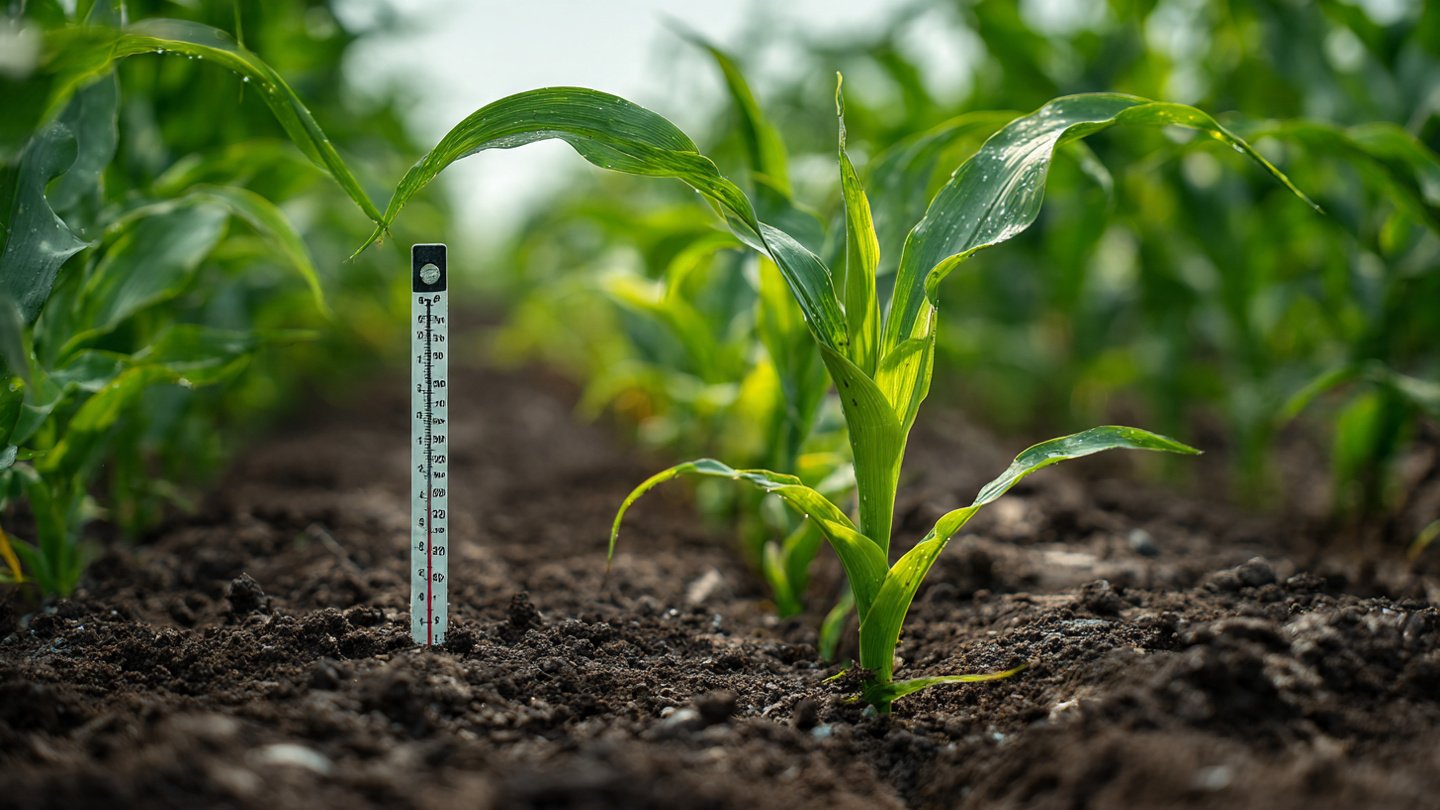
Corn is one of the most widely grown and versatile crops in the world, cherished for its sweet kernels, high yield, and adaptability in various climates. Yet, despite its resilience, corn is also a crop that thrives under specific soil and temperature conditions. Many home gardeners and commercial farmers overlook a simple yet powerful tool that can significantly boost corn planting success—a soil thermometer. This modest device can make the difference between healthy, vigorous plants and slow, uneven growth. In this article, we’ll explore how a soil thermometer works, why it’s essential for corn planting, and how it can transform your garden results.
Understanding Soil Temperature and Its Role in Corn Growth
Before planting, understanding the soil temperature is critical. Unlike air temperature, which can fluctuate daily, soil temperature directly influences seed germination, root development, and overall plant health.
- Germination: Corn seeds are sensitive to soil temperature. Planting in cold soil can lead to slow or failed germination, while warm soil accelerates sprouting.
- Root Development: Adequate soil warmth encourages strong root growth, enabling plants to absorb nutrients and water more efficiently.
- Pest and Disease Management: Proper soil temperature reduces the risk of soil-borne pathogens that thrive in cold, wet conditions.
Corn is a warm-season crop, meaning it requires warmer soil to establish and grow. Typically, soil temperatures need to reach 50–55°F (10–13°C) for germination, with 60–65°F (15–18°C) being optimal for robust growth. Planting in soil below these temperatures can result in poor emergence, uneven growth, and stunted plants.
What is a Soil Thermometer?
A soil thermometer is a specialized tool used to measure the temperature of the soil at different depths. Unlike standard thermometers, soil thermometers are designed to be inserted directly into the ground, providing an accurate reading where seeds and roots interact with their environment.
Features of a Good Soil Thermometer:
- Long Probe: Allows measurement at seed depth, typically 2–4 inches for corn.
- Clear Scale: Easy-to-read Fahrenheit or Celsius readings.
- Durability: Resistant to moisture, dirt, and outdoor conditions.
- Quick Response Time: Provides rapid temperature readings to make timely planting decisions.
With a soil thermometer in hand, gardeners and farmers can plan their planting schedule with precision rather than relying on guesswork or air temperature alone.
Why Soil Temperature Matters for Corn
Using a soil thermometer provides tangible benefits at every stage of corn cultivation:
1. Optimized Germination
Corn seeds germinate best in warm soil. By measuring soil temperature before planting, you can ensure seeds are sown under ideal conditions.
- Planting too early in cold soil slows germination, increasing vulnerability to rot and disease.
- Waiting until soil reaches the optimal range ensures uniform sprouting, which translates into stronger, healthier seedlings.
2. Improved Seedling Vigor
Even after germination, soil temperature influences seedling growth. Corn seedlings in warm, consistent soil grow faster, develop stronger roots, and establish quicker.
- This early vigor enhances the plant’s ability to compete with weeds and resist pests.
- Seedlings planted in cold soil often remain weak and susceptible to stress, reducing overall yield.
3. Efficient Fertilizer Uptake
Soil temperature affects nutrient availability. Nitrogen, phosphorus, and potassium—the key macronutrients for corn—are more readily absorbed in warmer soils.
- A soil thermometer helps determine the best timing for planting and fertilization, ensuring plants can access nutrients efficiently.
- Cold soil slows microbial activity, reducing natural nutrient cycling and fertilizer effectiveness.
4. Pest and Disease Management
Planting in soil that is too cold increases the risk of soil-borne pests and diseases, such as seed rot or damping-off.
- By waiting for optimal soil temperature, the risk of these issues is minimized.
- Healthy seedlings from warm soil are more resilient and less prone to stress-induced vulnerability.
How to Use a Soil Thermometer for Corn Planting
Using a soil thermometer correctly is essential for getting reliable readings and making informed planting decisions. Here’s a step-by-step guide:
Step 1: Choose the Planting Site
- Select the area where corn will be planted. Consider sun exposure, drainage, and soil quality.
- Corn prefers well-drained soil with full sun.
Step 2: Insert the Thermometer
- Push the thermometer probe 2–4 inches into the soil, matching the typical planting depth for corn seeds.
- Avoid placing the probe near rocks or buried debris, as this can affect readings.
Step 3: Take the Reading
- Wait a minute or two for the thermometer to stabilize and give an accurate reading.
- Note the temperature in the morning when soil is coolest for a conservative estimate.
Step 4: Monitor Regularly
- Check soil temperature daily or every few days as the planting window approaches.
- Plant seeds only when the soil reaches at least 55°F (13°C), with 60–65°F (15–18°C) being ideal.
Timing Your Planting for Maximum Success
Soil temperature readings can guide planting schedules, which is crucial for maximizing yield:
- Early Spring Planting: Avoid planting too early. Cold soil can delay emergence and increase seed rot risk.
- Staggered Planting: Using a soil thermometer, you can plan staggered planting in multiple rows or blocks, ensuring continuous harvest.
- Adjusting for Microclimates: Gardeners with varied soil conditions can identify warmer or cooler spots in their garden and plant accordingly.
Additional Tips for Using a Soil Thermometer
- Measure at Multiple Depths: Corn seeds are planted around 1–2 inches deep. Take readings at the planting depth for accuracy.
- Combine with Air Temperature: While soil temperature is critical, consider air temperature and frost risk before planting.
- Use in Raised Beds or Containers: Soil warms faster in raised beds and pots, which may allow earlier planting.
- Record Readings: Keeping a record of soil temperatures across the season helps predict planting windows for future years.
Other Ways a Soil Thermometer Enhances Corn Gardening
Beyond planting, a soil thermometer provides insights that improve overall corn management:
- Mulching Decisions: Soil thermometers help determine when to apply mulch to retain heat or moisture.
- Irrigation Scheduling: Soil temperature affects evaporation and water uptake. Measuring soil temperature allows better irrigation timing.
- Fertilization Timing: Nutrient absorption varies with soil warmth; knowing soil temperature can guide when to fertilize for maximum effectiveness.
Real-World Impact
Farmers and home gardeners who consistently use soil thermometers report:
- Faster Germination: Seeds sprout uniformly in warm soil.
- Higher Yield: Plants establish quickly, produce more ears, and mature evenly.
- Reduced Loss: Fewer seeds are lost to cold soil stress or disease.
- Improved Planning: Gardeners can stagger planting, coordinate harvests, and manage labor efficiently.
Even small-scale gardeners can see a measurable difference in plant health and productivity when using this simple tool.
Conclusion
A soil thermometer is one of the most underrated tools for corn planting, yet it can dramatically enhance success. By providing accurate soil temperature readings, it empowers gardeners and farmers to plant at the optimal time, promote healthy root and seedling growth, enhance nutrient uptake, and reduce disease risk.
Using a soil thermometer isn’t just about convenience—it’s about making informed, data-driven decisions that maximize corn yield and quality. Whether you are a backyard gardener or managing larger plots, investing in this small, affordable tool can transform your planting results.
By monitoring soil temperature, adjusting planting schedules, and understanding how warmth impacts growth, you create ideal conditions for corn to thrive. The result? Faster germination, stronger seedlings, healthier plants, and ultimately, a more bountiful harvest.
So, the next time you plan your corn planting season, reach for a soil thermometer. It may be the simplest tool that delivers some of the biggest rewards for your garden. With just a few careful measurements, you can unlock your corn’s full potential and enjoy the sweet taste of homegrown success.