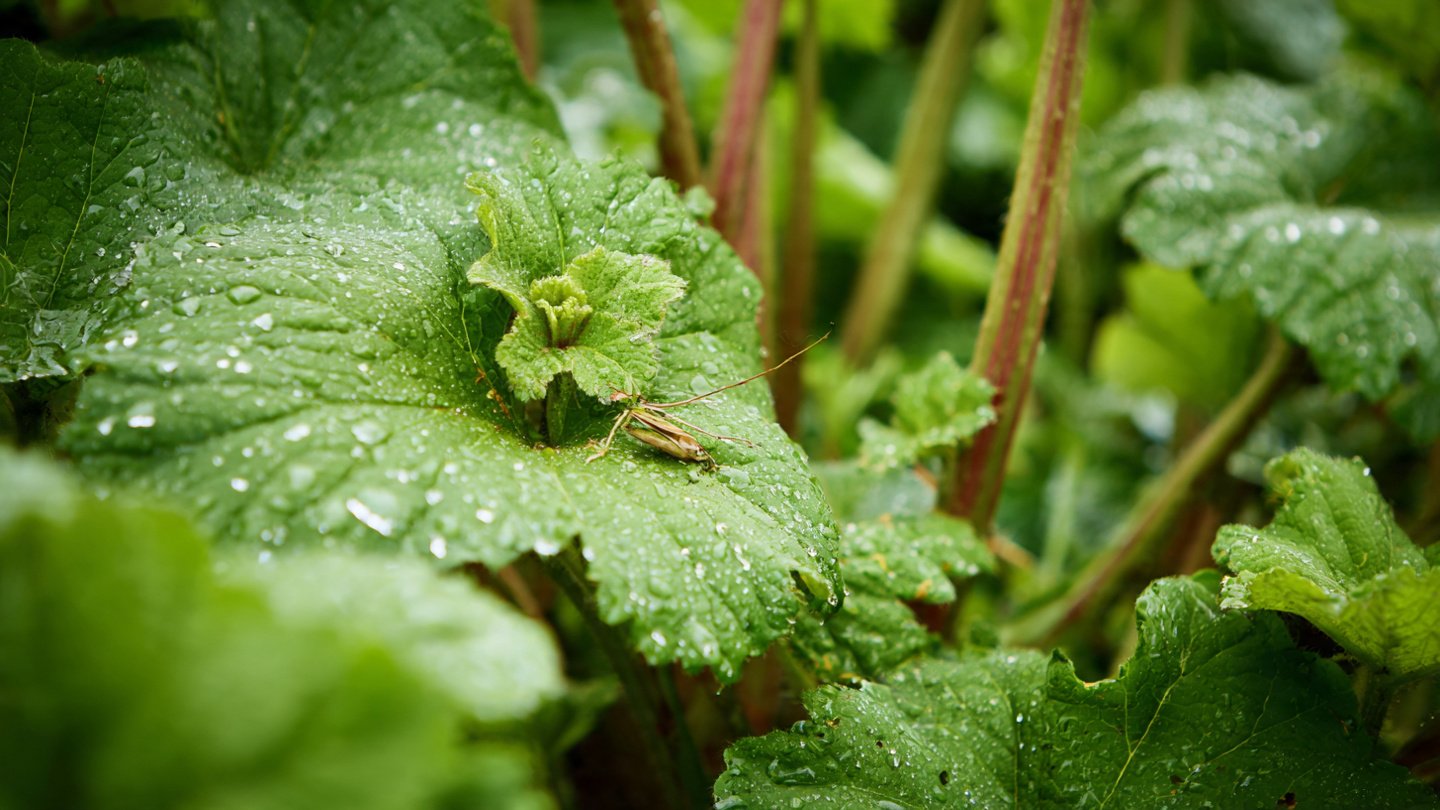
Every gardener knows the heartbreak of stepping outside to admire their plants—only to find leaves riddled with holes, stems chewed down, or aphids clustering where they don’t belong. While chemical pesticides promise quick fixes, they often come with downsides: harming beneficial insects, contaminating soil, and disrupting the natural balance of your garden. Fortunately, nature offers a smarter, gentler solution: sacrifice plants.
A sacrifice plant, sometimes called a trap plant, is a plant grown specifically to attract pests away from your main crops or ornamentals. Instead of fighting pests head-on, you strategically redirect them. This method embraces the idea that pests are part of the ecosystem—and that with the right planning, you can manage them naturally and effectively.
What Is a Sacrifice Plant?
A sacrifice plant is intentionally planted to lure insects, rodents, or other pests away from plants you want to protect. These plants are more attractive to pests because of their taste, scent, or growth habit. When pests choose the sacrifice plant over your prized vegetables or flowers, your main garden benefits.
Unlike companion plants, which repel pests or attract beneficial insects, sacrifice plants work by being irresistible targets. They “take the hit” so your garden doesn’t have to.
Why Sacrifice Plants Work So Well
Pests are creatures of habit and preference. Given options, they will always choose what they like best. Sacrifice plants exploit this behavior by offering a more desirable food source than your main crops.
This strategy works because:
- Pests focus their feeding on one area rather than spreading damage throughout the garden.
- Early pest detection becomes easier since infestations are concentrated.
- Chemical pesticide use is reduced or eliminated, protecting pollinators and soil health.
- Natural predator populations thrive, as pests remain part of the ecosystem rather than being wiped out entirely.
Instead of trying to create a pest-free garden—a nearly impossible goal—sacrifice planting creates a balanced system that limits damage while supporting biodiversity.
Common Pests Controlled by Sacrifice Plants
Sacrifice plants can help manage a wide range of garden pests, including:
- Aphids
- Flea beetles
- Cabbage worms
- Tomato hornworms
- Squash bugs
- Slugs and snails
By selecting the right sacrifice plant, you can target specific pests common in your region.
Popular Sacrifice Plants and What They Protect
Different plants attract different pests. Choosing the right sacrifice plant is key to success.
Nasturtiums
Nasturtiums are a classic sacrifice plant. Aphids, whiteflies, and flea beetles love them more than most vegetables. When planted near tomatoes, cucumbers, or kale, nasturtiums often draw pests away before they reach your crops.
Radishes
Radishes are especially effective against flea beetles. Gardeners often plant radishes around eggplants, broccoli, or arugula. The beetles prefer radish leaves and will leave other plants largely untouched.
Marigolds
While marigolds are known for repelling certain pests, they can also act as sacrifice plants for spider mites and aphids. Their strong scent and soft foliage make them an attractive alternative.
Mustard Greens
Mustard greens attract aphids and cabbage worms, making them an excellent shield for brassicas like cabbage, cauliflower, and Brussels sprouts.
Sunflowers
Sunflowers lure aphids, stink bugs, and even some beetles. Planted at the edge of a garden, they serve as a pest magnet while also attracting beneficial insects like ladybugs.
Strategic Placement of Sacrifice Plants
Where you plant sacrifice plants matters just as much as what you plant.
- Border planting: Place sacrifice plants around the edges of your garden to intercept pests before they reach the center.
- Interplanting: Grow them near vulnerable crops, but not so close that pests easily spread.
- Early planting: Sacrifice plants should be established before your main crops so pests find them first.
The goal is to create a clear “preferred destination” for pests that keeps them occupied elsewhere.
How to Manage Sacrifice Plants Once Pests Arrive
Letting pests gather on a sacrifice plant doesn’t mean ignoring the problem entirely. Active management ensures pests don’t multiply uncontrollably.
Here are effective strategies:
- Regular inspection: Check sacrifice plants frequently for pest buildup.
- Manual removal: Prune heavily infested leaves or remove pests by hand.
- Targeted treatment: Use organic sprays like neem oil or insecticidal soap only on sacrifice plants.
- Removal and replacement: If a sacrifice plant becomes overwhelmed, remove it completely and replant a new one.
This targeted approach limits pest populations without exposing your entire garden to treatments.
Sacrifice Plants and Beneficial Insects
One of the biggest advantages of sacrifice plants is how they support beneficial insects. Concentrated pest populations attract predators such as:
- Ladybugs
- Lacewings
- Hoverflies
- Parasitic wasps
These beneficial insects feed on pests and often spread throughout the garden afterward, offering ongoing protection. In this way, sacrifice plants become part of a self-regulating system rather than a temporary fix.
Common Mistakes to Avoid
While sacrifice planting is simple, a few mistakes can reduce its effectiveness:
- Planting too late: If pests reach your crops first, sacrifice plants won’t help much.
- Ignoring maintenance: Overrun sacrifice plants can become breeding grounds.
- Planting too close: This allows pests to move easily between plants.
- Using only one strategy: Sacrifice plants work best alongside other organic methods like crop rotation and healthy soil management.
Avoiding these pitfalls ensures your sacrifice plants work for you, not against you.
Sacrifice Plants vs. Companion Plants
It’s easy to confuse sacrifice plants with companion plants, but their roles are different.
- Sacrifice plants attract pests away from valuable crops.
- Companion plants repel pests or enhance growth through scent, nutrients, or structure.
The two strategies can work together beautifully. For example, you might use basil to repel insects while nasturtiums attract any pests that get through.
Is Sacrifice Planting Right for Every Garden?
Sacrifice planting works in most home gardens, raised beds, and even containers. However, it requires observation and patience. If you prefer a completely hands-off approach, this method may feel demanding. But for gardeners who enjoy working with nature rather than against it, sacrifice plants offer a rewarding solution.
They are especially useful for organic gardeners, pollinator-friendly landscapes, and anyone trying to reduce chemical inputs.
Final Thoughts
A healthy garden isn’t one without pests—it’s one where damage is controlled naturally. Sacrifice plants provide an elegant, eco-friendly way to protect your garden by redirecting pests rather than destroying them outright.
By choosing the right plants, placing them strategically, and managing them carefully, you can create a garden that thrives with minimal intervention. In doing so, you’ll not only protect your crops but also foster a balanced ecosystem where plants, insects, and gardeners coexist harmoniously.