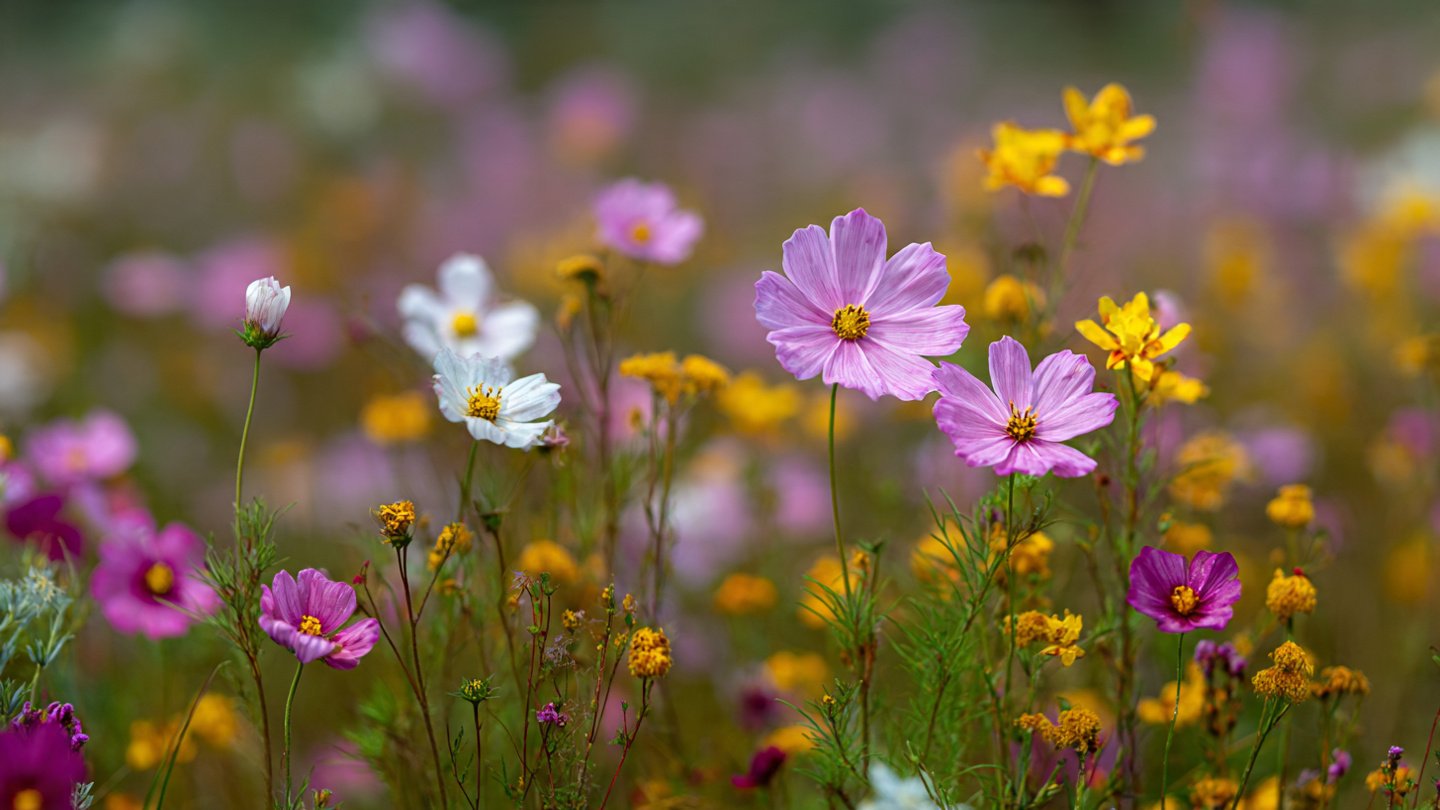
Wildflower gardens are among the most beautiful and environmentally friendly types of gardens you can create. They provide vibrant colors, attract pollinators like bees and butterflies, and require far less care than traditional flower beds. Whether you want to enhance your backyard, improve biodiversity, or simply enjoy the natural beauty of flowers without spending hours on upkeep, a low-maintenance wildflower garden is the perfect solution. According to gardening experts, with the right planning, soil preparation, plant selection, and maintenance strategy, anyone can create a thriving wildflower garden that blooms year after year. Here’s a step-by-step guide on how to do it.
Why Choose a Wildflower Garden?
Before diving into planting, it’s important to understand why wildflower gardens are a smart choice:
- Low Maintenance: Once established, wildflowers generally require less watering, fertilization, and pruning than conventional gardens.
- Supports Pollinators: Native wildflowers attract bees, butterflies, and other beneficial insects, helping local ecosystems thrive.
- Aesthetic Appeal: Wildflowers provide a natural, colorful, and ever-changing display throughout the growing season.
- Environmental Benefits: They reduce soil erosion, improve soil health, and often require fewer pesticides and herbicides.
- Cost-Effective: Seeds are relatively inexpensive, and wildflowers often self-seed, reducing the need for replanting each year.
The combination of beauty, ecological benefits, and minimal care makes wildflower gardens an ideal choice for both experienced gardeners and beginners.
Step 1: Choose the Right Location
According to experts, location is one of the most critical factors in creating a successful low-maintenance wildflower garden. Here’s what to consider:
- Sunlight: Most wildflowers thrive in full sun, meaning at least six hours of direct sunlight per day. Some species tolerate partial shade, but flowering may be reduced.
- Soil Type: Wildflowers are adaptable but perform best in well-draining soil. Avoid overly rich, fertile soils, as they may encourage fast-growing grasses that outcompete wildflowers.
- Space: Choose a space that allows your flowers to spread naturally. Wildflower gardens often look best when they have room to grow freely rather than being tightly confined.
A sunny, open patch in your yard or along the edge of a lawn is ideal for a low-maintenance wildflower garden.
Step 2: Prepare the Soil
Proper soil preparation ensures strong seed germination and healthy plant growth:
- Clear Existing Vegetation: Remove grass, weeds, or other plants from the area to reduce competition. Experts recommend using a hoe, rake, or even solarization (covering the soil with plastic for a few weeks to kill weeds).
- Loosen the Soil: Lightly till the soil to a depth of about 1–2 inches. Wildflower seeds are small and need contact with the soil for proper germination.
- Avoid Excess Fertilizer: Unlike many garden plants, wildflowers generally thrive in nutrient-poor soil. Too much fertilizer encourages weeds and grasses to dominate.
By preparing the soil carefully, you give your wildflower seeds the best chance to establish themselves with minimal ongoing maintenance.
Step 3: Select the Right Wildflower Seeds
Choosing appropriate wildflower species is key to a low-maintenance garden. Experts recommend:
- Native Species: Local wildflowers are well adapted to your climate, soil, and pests. They require less care and attract native pollinators.
- Mix of Annuals and Perennials: Annuals bloom in their first year, providing instant color, while perennials return year after year, reducing replanting efforts.
- Diverse Height and Bloom Time: A mix of short and tall flowers with varying bloom times ensures continuous color and interest throughout the season.
Some popular low-maintenance wildflowers include:
- Black-eyed Susan (Rudbeckia hirta)
- Coneflower (Echinacea purpurea)
- Lupine (Lupinus spp.)
- Coreopsis (Coreopsis spp.)
- Blanket Flower (Gaillardia spp.)
- Wild Poppy (Papaver spp.)
Experts suggest purchasing a pre-mixed wildflower seed blend suited for your region, which simplifies the selection process and increases success rates.
Step 4: Planting Your Seeds
Once your soil and seeds are ready, planting is straightforward:
- Timing: Plant seeds in early spring after the last frost, or in fall for regions with mild winters.
- Sowing Technique: Scatter seeds evenly over the prepared soil. For very small seeds, mix them with sand to ensure uniform distribution.
- Press Seeds into Soil: Lightly press the seeds into the soil using a board or the back of a rake. Avoid burying them too deep—most wildflower seeds need sunlight to germinate.
- Watering: Water gently but thoroughly. Keep the soil consistently moist until seeds germinate, usually within 7–21 days depending on the species.
By planting correctly, you set the stage for a garden that grows naturally with minimal intervention.
Step 5: Mulching and Weed Management
Experts emphasize that managing weeds is the biggest challenge in low-maintenance wildflower gardens:
- Mulch Sparingly: A light layer of straw or compost can help retain moisture and reduce weed growth. Avoid thick mulch, which may prevent seeds from reaching the soil.
- Monitor and Remove Weeds Early: During the first growing season, hand-pull any invasive plants or fast-growing grasses before they take over.
- Patience is Key: Wildflower gardens often look sparse in the first year. By the second and third year, self-seeding and established perennials will dominate, requiring much less weeding.
Proper early care helps the garden become more self-sustaining over time.
Step 6: Watering and Care
One of the main benefits of a low-maintenance wildflower garden is its minimal watering needs. Still, some early care is necessary:
- Initial Watering: Keep the soil moist until seedlings are established, usually 2–3 weeks.
- Drought Tolerance: Once established, most wildflowers tolerate dry periods and rarely require supplemental watering.
- Avoid Fertilizers: Adding fertilizer can encourage weeds and reduce flowering in wildflowers adapted to low-nutrient soil.
Experts stress that “less is more” when it comes to caring for wildflowers—they thrive on neglect once established.
Step 7: Encouraging Pollinators
Wildflower gardens not only look beautiful but also benefit local wildlife. To attract pollinators:
- Plant Clumps: Grouping flowers together makes it easier for bees and butterflies to locate nectar sources.
- Provide Water: A small shallow dish of water or a birdbath helps pollinators stay hydrated.
- Avoid Pesticides: Chemicals can harm bees and other beneficial insects.
By creating a pollinator-friendly garden, you support biodiversity and ensure your wildflowers flourish naturally.
Step 8: Seasonal Maintenance
Even low-maintenance wildflower gardens require occasional care to keep them healthy and attractive:
- Deadheading: Remove spent blooms if you want to encourage prolonged flowering.
- Cut Back in Fall or Spring: Trim tall stems after blooming to prevent overcrowding and make space for new growth.
- Seed Collection: Let some flowers go to seed, ensuring natural reseeding and reducing the need to replant.
With minimal seasonal attention, your wildflower garden can thrive for many years.
Benefits Beyond Beauty
Beyond their aesthetic appeal, wildflower gardens offer surprising benefits:
- Erosion Control: Deep-rooted wildflowers help stabilize soil.
- Low Carbon Footprint: Fewer chemicals, reduced watering, and natural growth patterns make wildflowers environmentally sustainable.
- Mental Health: Spending time in a colorful, natural setting improves mood, reduces stress, and encourages relaxation.
Experts agree that wildflower gardens are a win-win for gardeners and the environment alike.
Conclusion
Starting a low-maintenance wildflower garden is achievable for anyone, regardless of space or experience level. By choosing the right location, preparing the soil carefully, selecting native and low-maintenance species, and practicing minimal but strategic care, you can enjoy a garden full of color and life without the constant upkeep of traditional flower beds.
The key is patience and planning. Wildflower gardens often look sparse during their first year, but with time, they develop into self-sustaining, vibrant ecosystems that attract pollinators and bring natural beauty to your outdoor space. Whether you have a backyard, balcony, or community plot, creating a wildflower garden is a rewarding project that combines simplicity, sustainability, and stunning seasonal displays.
With the guidance of gardening experts and a focus on low-maintenance techniques, you can cultivate a wildflower garden that blooms beautifully with minimal effort, allowing you to enjoy nature’s color and charm year after year.