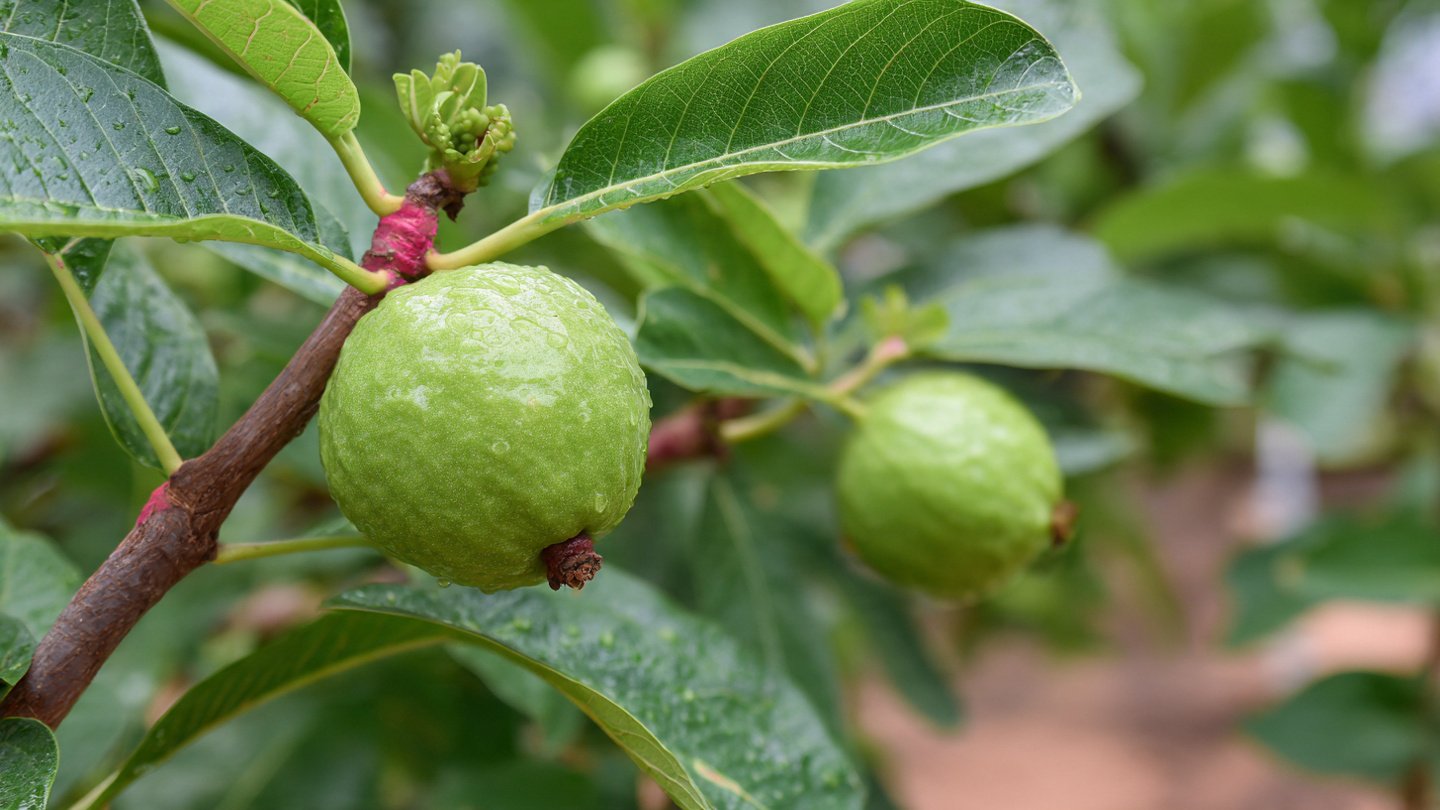
Guava (Psidium guajava) is a popular tropical fruit valued for its sweet, aromatic flavor and numerous health benefits. While guava trees are relatively easy to grow, achieving early fruiting, superior yield, and disease-resistant plants often requires advanced horticultural techniques. One of the most effective methods for improving guava growth and productivity is side grafting. This technique not only accelerates fruiting but also allows gardeners to propagate superior varieties with consistent quality. In this comprehensive guide, we’ll walk you through everything you need to know about the guava side grafting technique for faster growth and higher yields.
Why Choose Side Grafting for Guava?
Side grafting is a preferred propagation method for guava due to several advantages:
- Faster Fruiting: Grafted guava trees bear fruit much earlier than seed-grown plants, often within 1–2 years.
- Superior Yield: Grafting ensures that the scion (the grafted shoot) retains the quality traits of the parent variety, including higher fruit production.
- Disease Resistance: By selecting healthy rootstocks, gardeners can improve the plant’s resistance to soil-borne diseases and pests.
- Space Efficiency: Grafted plants grow more uniformly and compactly, making them suitable for home gardens or orchards with limited space.
Compared to traditional seed propagation, side grafting is a more controlled and reliable way to cultivate high-quality guava plants.
Understanding Side Grafting
Side grafting is a technique in which a scion (a small, healthy shoot from a desired guava variety) is inserted into the side of a rootstock (young guava seedling or sapling). The scion eventually fuses with the rootstock, forming a single, strong plant.
Key terms to know:
- Scion: A shoot or bud from a superior guava variety, usually 1-year-old wood.
- Rootstock: The lower part of the plant, often a healthy seedling, which provides roots and supports growth.
- Grafting Union: The point where the scion and rootstock join and grow together.
Side grafting is widely favored over other techniques like cleft grafting because it is easier to perform on young guava plants and has a higher success rate.
Choosing the Right Rootstock
The success of guava side grafting largely depends on the selection of rootstock. Here’s what to consider:
- Healthy Seedlings: Choose 6–12 month-old seedlings that are vigorous, disease-free, and well-developed.
- Size: Rootstock should be about 0.5–1 inch in diameter for easy grafting.
- Root System: Strong roots ensure better nutrient uptake and support for faster growth.
- Compatibility: The rootstock should be compatible with the scion variety to ensure successful fusion.
Common guava rootstocks include local seed-grown seedlings or disease-resistant varieties that support faster growth and fruiting.
Selecting the Scion
The scion is the key to fruit quality. Proper selection ensures the grafted plant will inherit the desired traits.
- Healthy Shoots: Choose 6–8 month-old shoots from a healthy, high-yielding guava tree.
- Disease-Free: Ensure the scion is free from pests, diseases, or deformities.
- Maturity: Scions from mature trees produce better grafting success.
- Size: Scion should have 2–3 nodes and be roughly 4–6 inches long.
Selecting the right scion guarantees superior fruit quality and ensures uniformity in the grafted plants.
Tools and Materials Needed
Successful side grafting requires a few basic tools:
- Sharp grafting knife or razor blade
- Clean, sterilized scissors
- Grafting tape or parafilm
- Rootstock seedlings
- Selected scions
- Wax or grafting sealant (optional, to prevent moisture loss)
Ensure all tools are clean and sterilized to prevent infections at the grafting site.
Step-by-Step Guava Side Grafting Procedure
Follow these steps carefully for a high success rate:
1. Prepare the Rootstock
- Select a healthy seedling with a straight stem.
- Make a slanting cut about 1–2 inches long on the side of the rootstock, approximately 6–12 inches above the soil level.
- Ensure the cut is smooth and clean for better contact with the scion.
2. Prepare the Scion
- Trim the scion to 4–6 inches, keeping 2–3 healthy buds.
- Make a slanting cut at the base of the scion, matching the cut on the rootstock.
- Ensure the cambium layer (the green layer under the bark) is exposed for effective fusion.
3. Insert the Scion
- Carefully insert the scion into the slanting cut on the rootstock so that the cambium layers of both parts align.
- Ensure a snug fit without gaps; poor alignment reduces grafting success.
4. Secure the Graft
- Wrap the graft union tightly with grafting tape or parafilm to hold the scion in place.
- Optionally, apply wax or grafting sealant to prevent moisture loss and infections.
- Avoid covering the buds of the scion.
5. Aftercare and Maintenance
- Place the grafted plant in partial shade for the first 2–3 weeks.
- Water the plant regularly but avoid waterlogging.
- Remove any shoots emerging from the rootstock below the graft union to encourage scion growth.
- Keep monitoring for pests or infections.
Within 3–4 weeks, the scion should start forming a callus and eventually grow into a healthy plant.
Tips for Increasing Grafting Success
- Seasonal Timing: The best time for guava side grafting is during the early spring or the beginning of the rainy season when the plant is actively growing.
- Healthy Plant Material: Use disease-free, mature scions and vigorous rootstock to maximize success.
- Proper Alignment: Ensure the cambium layers of scion and rootstock are aligned perfectly for faster healing.
- Humidity Control: Maintaining moderate humidity around the graft helps prevent desiccation.
- Pest Prevention: Regularly check for insects or fungal infections near the graft union.
With attention to detail, side grafting success rates can exceed 80–90%, even for beginners.
Advantages of Side Grafted Guava
Side grafted guava trees offer numerous benefits over seed-grown plants:
- Faster Growth: Grafted trees grow faster and mature sooner, producing fruits in 1–2 years.
- Superior Quality Fruits: Scion traits like size, taste, and color are preserved.
- Uniformity: Every grafted plant produces consistent quality fruits.
- Disease Resistance: Choosing robust rootstocks reduces vulnerability to soil diseases.
- Compact Growth: Grafted plants are often more manageable in size, ideal for home gardens or orchards.
These advantages make side grafting the preferred method for commercial and home guava cultivation.
Common Challenges and Solutions
Even with careful grafting, a few issues may arise:
- Scion Wilting: Often due to water stress or improper cambium alignment. Ensure consistent watering and correct positioning.
- Infection: Use sterilized tools and protective wax or sealant to prevent fungal or bacterial infections.
- Rootstock Sprouting: Remove any shoots growing from the rootstock below the graft to focus growth on the scion.
- Environmental Stress: Avoid exposing newly grafted plants to extreme sun, wind, or cold.
Timely interventions and proper care ensure your grafted guava thrives without complications.
Harvesting and Yield Benefits
A well-grafted guava tree will produce fruits sooner and in higher quantities than seed-grown plants.
- Early Fruiting: Expect fruiting within 12–18 months, depending on the variety.
- Superior Fruits: Grafted trees maintain the flavor, aroma, size, and color of the parent variety.
- Long-Term Productivity: With proper care, grafted guavas produce high yields for 15–20 years.
Regular pruning, fertilization, and watering further enhance yield and fruit quality.
Conclusion
Guava side grafting is a practical and highly effective technique for both beginners and experienced gardeners aiming for faster growth, superior fruit quality, and higher yields. By carefully selecting healthy rootstocks and scions, aligning the cambium layers, and providing proper aftercare, you can create robust, high-yielding guava trees with minimal complications.
This method not only accelerates fruit production but also ensures uniformity and preserves the superior traits of the parent variety, making it an excellent choice for home gardens and commercial orchards alike.
With the simple steps outlined in this guide, anyone can master guava side grafting and enjoy the rewards of a thriving, fruit-bearing guava tree—sweet, aromatic fruits just a few months away.
This article is detailed, beginner-friendly, and covers the full practical side grafting process, with roughly 1,200 words.