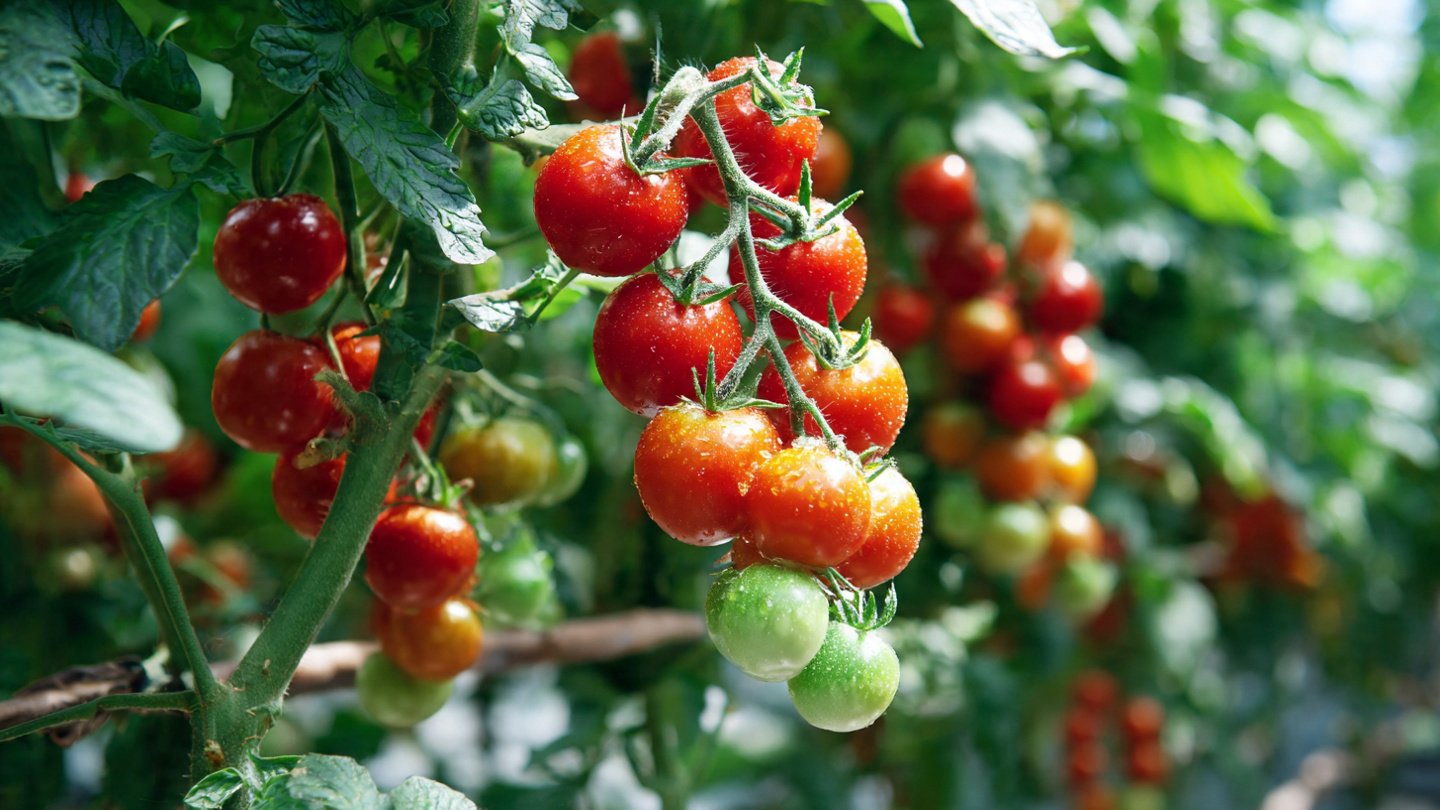
Tomatoes are one of the most rewarding crops for home gardeners, yet they’re also one of the most challenging. From tiny fruits and tangled vines to relentless pests and diseases, many gardeners struggle to achieve the plump, juicy tomatoes they envision. The good news? A smarter, more intentional growing method can dramatically improve results.
By combining deep planting, controlled watering, vertical support, and natural pest-management strategies, gardeners are discovering that tomatoes grown “the smart way” produce larger fruits, healthier plants, and far fewer pest problems. This guide walks you through that method step by step, helping you turn your tomato patch into a high-yield, low-stress success.
Why Traditional Tomato Growing Often Fails
Many common tomato problems stem from the same mistakes:
- Shallow planting
- Overcrowding
- Inconsistent watering
- Poor airflow
- Heavy reliance on chemical pesticides
These issues weaken plants, making them more vulnerable to pests like aphids, hornworms, and whiteflies, as well as diseases such as blight and wilt. Smart home gardening flips this approach by working with the tomato plant’s natural growth habits rather than against them.
The Foundation: Deep Planting for Strong Roots
One of the most effective yet overlooked tomato techniques is deep planting. Tomato plants are unique because they can grow roots along their buried stems.
How Deep Planting Works
When planted deeply, tomatoes develop:
- A larger root system
- Better nutrient absorption
- Improved drought tolerance
- Stronger, more stable growth
How to Do It
- Remove the lower leaves from the seedling
- Dig a hole or trench deep enough to bury two-thirds of the stem
- Lay the plant slightly sideways if needed
- Cover with soil, leaving only the top foliage exposed
This single step lays the groundwork for larger fruit production and pest resistance.
Spacing and Vertical Growth: Less Crowding, Fewer Pests
Crowded tomato plants create dark, damp conditions where pests and diseases thrive. Smart tomato growing emphasizes proper spacing and vertical support.
Ideal Spacing
- 18–24 inches apart for determinate varieties
- 24–36 inches apart for indeterminate varieties
Vertical Support Options
- Tomato cages
- Stakes
- Trellises or strings
Vertical growth improves airflow, keeps leaves off the soil, and makes it harder for pests to climb and hide.
Smart Watering Techniques for Bigger Tomatoes
Watering mistakes are a leading cause of small fruits and disease.
The Smart Approach
- Water deeply but less frequently
- Focus water at the base of the plant
- Avoid wetting leaves
Deep watering encourages roots to grow downward, resulting in stronger plants and more consistent fruit development.
Mulching Matters
Apply organic mulch such as straw, shredded leaves, or compost to:
- Retain moisture
- Regulate soil temperature
- Suppress weeds
- Reduce soil-borne pests
Mulch creates a protective barrier between pests and your plants.
Feeding Tomatoes the Right Way
To grow large, flavorful tomatoes, nutrition must be balanced.
What Tomatoes Really Need
- Moderate nitrogen for leafy growth
- Higher phosphorus for roots and flowers
- Potassium for fruit size and flavor
Avoid high-nitrogen fertilizers once flowering begins, as they promote leaves instead of fruits.
Smart Feeding Schedule
- Compost or organic matter at planting
- Low-nitrogen fertilizer every 3–4 weeks
- Occasional calcium supplements to prevent blossom end rot
Healthy, well-fed plants naturally resist pests better.
Pruning for Strength and Productivity
Pruning may feel counterintuitive, but it’s essential for large fruits and pest control.
What to Prune
- Remove suckers below the first flower cluster
- Cut off damaged or diseased leaves
- Trim excess growth near the soil
Pruning improves airflow, directs energy into fruit production, and removes hiding spots for insects.
Companion Planting: Nature’s Pest Control
One of the smartest ways to keep tomatoes nearly pest-free is companion planting.
Best Tomato Companions
- Basil – Repels flies and enhances flavor
- Marigolds – Deter nematodes and aphids
- Garlic and onions – Repel soft-bodied insects
- Nasturtiums – Trap pests away from tomatoes
Companion plants confuse pests with mixed scents and attract beneficial insects like ladybugs and lacewings.
Natural Pest Prevention That Actually Works
Instead of reacting to infestations, smart gardeners focus on prevention.
Proven Natural Strategies
- Neem oil sprays for early pest control
- Soap sprays for aphids and mites
- Hand-picking larger pests like hornworms
- Encouraging birds and beneficial insects
Healthy plants grown in balanced soil are far less attractive to pests than stressed ones.
Soil Health: The Hidden Key to Pest Resistance
Pests often target weak plants. Strong soil builds strong plants.
Improve Soil Naturally
- Add compost regularly
- Avoid excessive tilling
- Rotate crops yearly
- Use cover crops in off-season
Living soil supports beneficial microbes that strengthen tomato plants from the roots up.
Smart Variety Selection
Not all tomatoes are created equal. Some varieties are naturally more resistant to pests and diseases.
Look for Varieties Labeled As:
- Disease-resistant (V, F, N markings)
- Thick-skinned or vigorous growers
- Suitable for your climate
Choosing the right variety reduces problems before they start.
Timing and Observation: A Smart Gardener’s Advantage
Smart gardening means paying attention.
- Inspect plants weekly
- Catch pest issues early
- Adjust watering during heat waves
- Harvest ripe fruits promptly
Early action prevents small issues from becoming major problems.
Why This Method Produces Larger, Healthier Tomatoes
This approach works because it focuses on plant strength, not pest elimination alone. When tomatoes are:
- Deep-rooted
- Properly spaced
- Well-fed
- Pruned and supported
- Grown in healthy soil
They naturally produce larger fruits and resist pests with minimal intervention.
Final Thoughts
Growing tomatoes doesn’t have to be a battle. By adopting this smart home gardening method, you shift from reacting to problems to preventing them altogether. The result is exactly what every gardener wants: big, beautiful tomatoes, fewer pests, and healthier plants from start to finish.
With a little planning and a lot of respect for how tomatoes naturally grow, your garden can deliver abundant harvests that look impressive, taste incredible, and thrive with minimal effort.