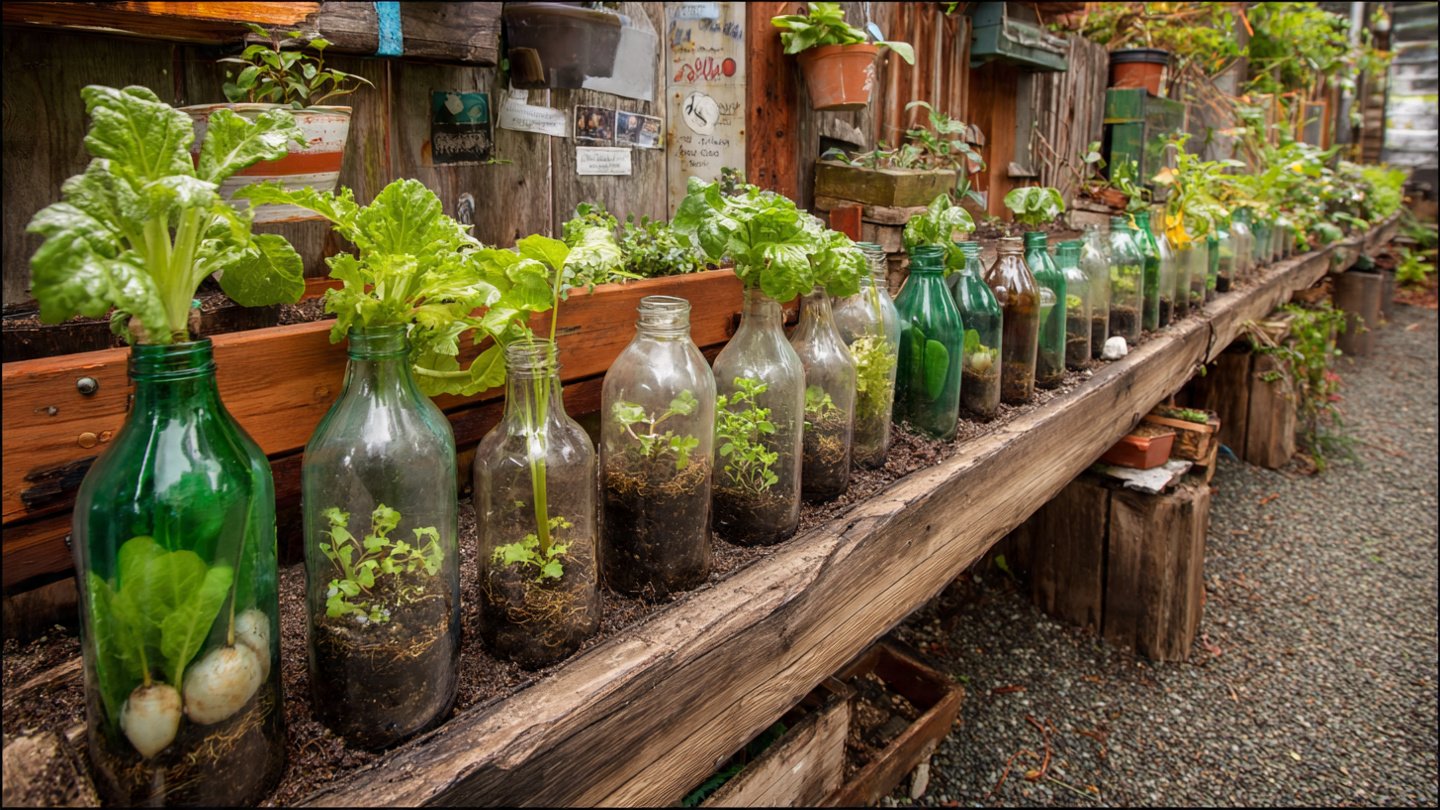
Gardening is a timeless hobby that nurtures both the body and the mind. However, not everyone has access to a sprawling backyard or fertile land for planting. For city dwellers, apartment residents, and anyone limited by space, the dream of growing fresh vegetables, herbs, and fruits may seem unattainable. Fortunately, a creative and practical solution exists: growing plants in bottles. This innovative approach to gardening maximizes harvests in small spaces while promoting sustainability and resourcefulness.
In this comprehensive guide, we’ll explore how bottle gardening works, the best types of bottles to use, which plants thrive in these containers, and tips for ensuring your mini garden flourishes.
The Concept of Bottle Gardening
Bottle gardening, also known as container or vertical gardening, involves using bottles—plastic or glass—as planting containers. These bottles can serve multiple purposes: from simple pots for herbs to sophisticated hydroponic systems for vegetables. The main appeal of bottle gardening lies in its adaptability. A few bottles on a balcony, windowsill, or rooftop can create a lush, green mini-garden that yields fresh produce year-round.
The concept also aligns with sustainable living. By repurposing bottles that would otherwise become waste, gardeners contribute to reducing plastic pollution while creating a practical solution for urban gardening challenges.
Choosing the Right Bottles
Not all bottles are created equal when it comes to gardening. Selecting the right containers is crucial for healthy plant growth. Here are some common types of bottles and their uses:
- Plastic Bottles (PET Bottles)
- Ideal for: Hydroponics, vertical gardens, small herbs, leafy greens.
- Advantages: Lightweight, durable, easy to cut and manipulate.
- Tip: Use clear bottles for hydroponics to monitor root growth, but shield them from direct sunlight to prevent algae formation.
- Glass Bottles
- Ideal for: Small plants, decorative terrariums, and microgreens.
- Advantages: Aesthetic appeal, non-reactive, and can retain moisture well.
- Tip: Ensure good drainage by adding pebbles or using a wick system.
- Large Water or Soda Bottles
- Ideal for: Deep-rooted vegetables like tomatoes, peppers, and radishes.
- Tip: Cut the bottles strategically to create openings for planting and watering while allowing airflow.
Preparing Bottles for Planting
Preparation is key for a successful bottle garden. Here’s a step-by-step guide:
- Clean the Bottle: Wash thoroughly with soap and water to remove residues and prevent contamination.
- Create Drainage: Punch small holes in the base of plastic bottles to prevent waterlogging. For vertical hydroponic systems, slits or side openings can be made.
- Add a Base Layer: For soil-based planting, place small pebbles or broken pieces of clay pots at the bottom to enhance drainage.
- Choose the Right Soil: Use a lightweight, nutrient-rich potting mix. Adding compost improves soil fertility and plant health.
- Plant Seeds or Seedlings: Depending on the plant, sow seeds at the recommended depth or transplant seedlings carefully.
Vertical Bottle Gardens for Maximum Space Efficiency
One of the most ingenious methods of bottle gardening is vertical gardening. Vertical bottle gardens involve stacking bottles or attaching them to walls, fences, or railings. This setup allows gardeners to maximize vertical space, making it perfect for small balconies or limited outdoor areas.
How to Create a Vertical Bottle Garden:
- Cut a horizontal slit in the side of each bottle to create a planting pocket.
- Fill each bottle with soil and plant your seeds or seedlings.
- Use ropes, wooden boards, or metal wires to hang or stack bottles vertically.
- Water the plants from the top, allowing excess water to trickle down to lower bottles.
This method is not only space-efficient but also visually striking, creating a cascading green wall that can transform an ordinary balcony into a vibrant garden.
Ideal Plants for Bottle Gardening
Bottle gardens work best with plants that have shallow roots or thrive in container environments. Here’s a list of some plants that perform exceptionally well in bottles:
- Herbs: Basil, mint, parsley, coriander, and chives grow easily in small bottles and are perfect for culinary use.
- Leafy Greens: Lettuce, spinach, kale, and arugula have shallow roots and flourish in narrow containers.
- Microgreens: Fast-growing and nutrient-dense, microgreens can be harvested in 10–14 days, making them ideal for urban bottle gardens.
- Small Fruits: Strawberries and cherry tomatoes can thrive in larger bottles with proper support.
- Root Vegetables: Radishes, baby carrots, and beets grow well in deep bottles, provided they have enough soil depth.
Watering and Fertilizing Tips
Maintaining proper hydration and nutrient levels is crucial in bottle gardening, as containers can dry out faster than open soil. Here’s how to manage it:
- Watering: Use a small watering can or syringe for precision. For vertical systems, consider drip irrigation or self-watering bottles.
- Fertilizing: Liquid fertilizers or compost tea are ideal for bottle gardens, as they distribute nutrients evenly without compacting the soil.
- Monitoring: Check for root growth, soil moisture, and signs of nutrient deficiency regularly. Bottle gardening allows for close observation, making it easier to adjust care routines.
Innovative Hydroponic Bottle Gardens
For gardeners looking to take bottle gardening to the next level, hydroponics offers a soil-free alternative. Hydroponic systems use water enriched with nutrients to grow plants, often resulting in faster growth and higher yields.
Steps to Create a Simple Hydroponic Bottle Garden:
- Cut the bottle horizontally or vertically, leaving room for a planting site.
- Suspend the plant using a net cup or cotton wick.
- Fill the lower part of the bottle with a nutrient solution.
- Monitor water levels and nutrient concentrations regularly.
Hydroponic bottle gardens are particularly effective for leafy greens, herbs, and strawberries. They save space, reduce soil-borne pests, and allow for year-round cultivation indoors.
Advantages of Bottle Gardening
Bottle gardening is not just a space-saver; it comes with a host of benefits:
- Cost-Effective: Reusing bottles minimizes the need for expensive pots and containers.
- Eco-Friendly: Repurposing plastic bottles reduces waste and promotes sustainable gardening.
- Accessibility: Perfect for apartments, schools, offices, and urban rooftops.
- Easy Monitoring: Clear bottles allow you to observe root growth, water levels, and soil health.
- Portable Gardening: Bottles can be easily moved to optimize sunlight or protect plants from harsh weather.
Creative Ideas to Enhance Your Bottle Garden
To make your bottle garden not only productive but also visually appealing, consider these creative ideas:
- Painted Bottles: Decorate bottles with weather-resistant paints to add a splash of color to your garden.
- Hanging Gardens: Hang bottles at varying heights for a cascading green effect.
- Themed Gardens: Dedicate bottles to specific plant types, like a “herb tower” or a “microgreens wall.”
- Terrarium Bottles: Use glass bottles to create tiny ecosystems with moss, succulents, and decorative stones.
Troubleshooting Common Issues
Even in bottle gardens, problems can arise. Here are solutions to common challenges:
- Overwatering: Ensure proper drainage holes; avoid waterlogging by checking soil moisture before watering.
- Algae Growth: Prevent excessive sunlight on clear bottles; use opaque bottles or cover them with fabric.
- Pests: Small bottle gardens are generally pest-free, but occasional aphids or fungus gnats can appear. Remove pests manually or use natural remedies like neem oil.
- Nutrient Deficiency: Regularly supplement with liquid fertilizers or compost to maintain healthy growth.
Maximizing Harvests in Small Spaces
With careful planning, bottle gardens can yield impressive harvests. Here are tips to increase productivity:
- Succession Planting: Sow new seeds as you harvest mature plants to ensure continuous production.
- Companion Planting: Grow compatible plants together to enhance growth and reduce pests.
- Rotate Bottles: If sunlight is limited, rotate bottles regularly to ensure all plants get adequate light.
- Use Reflective Surfaces: Mirrors or white walls can reflect sunlight onto plants, boosting photosynthesis in compact areas.
Conclusion
Bottle gardening proves that you don’t need a backyard to enjoy the satisfaction of growing your own food. With creativity, resourcefulness, and a little patience, even the smallest space can become a lush, productive garden. From herbs and leafy greens to strawberries and cherry tomatoes, the possibilities are endless. Whether you’re interested in simple soil-based planting or advanced hydroponic systems, bottles offer a versatile and eco-friendly solution for urban gardening.
Embrace the concept of growing in bottles, and you’ll discover that small spaces can indeed produce maximum harvests while adding greenery and freshness to your home. This approach isn’t just about gardening—it’s about rethinking how we use space, resources, and creativity to nurture life, one bottle at a time.