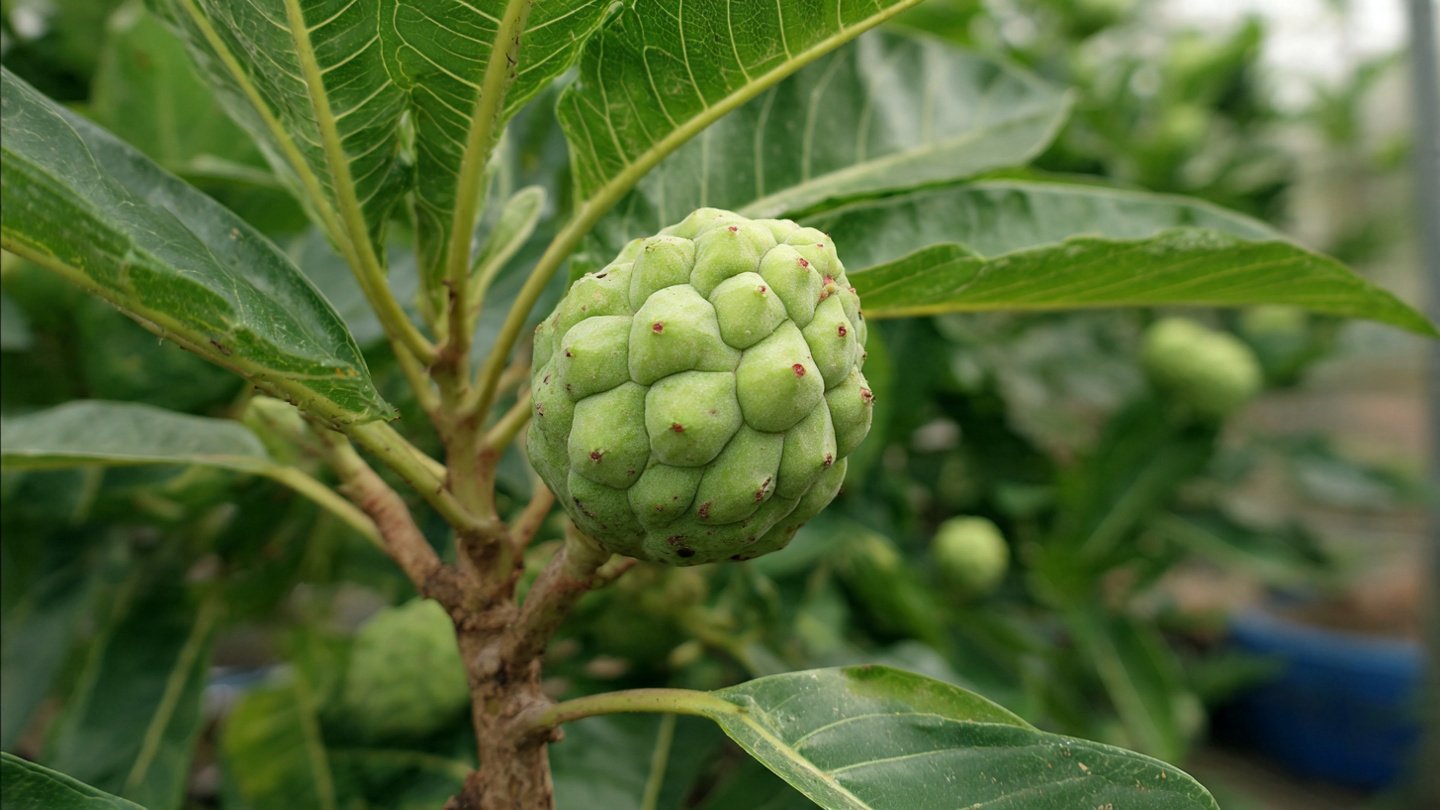
Custard apple (Annona squamosa), also known as sugar apple or sitaphal, is a tropical fruit prized for its sweet, creamy pulp and nutritional value. With its delicious flavor, custard apple is a favorite among home gardeners and commercial growers alike. Traditionally grown in the ground, this fruit tree can also thrive in grow bags, offering numerous advantages such as portability, better root management, and optimized growth conditions.
This guide provides a comprehensive approach to growing custard apple in grow bags, helping you achieve maximum yield, healthier plants, and convenience, even if you have limited space.
Why Grow Custard Apple in Grow Bags
Using grow bags instead of planting directly in the soil offers several advantages:
- Space Efficiency: Grow bags are ideal for patios, balconies, terraces, and small gardens.
- Better Root Health: Grow bags prevent root circling and promote air pruning, encouraging a strong root system.
- Controlled Soil Conditions: You can provide nutrient-rich, well-drained soil tailored to custard apple requirements.
- Portability: Grow bags are portable, allowing you to move plants to optimal sunlight, protect from extreme weather, or rearrange your garden.
- Higher Yield Potential: Proper care in grow bags results in vigorously growing plants with abundant fruiting, as nutrients and water are better managed.
Grow bags make it easier for beginners and urban gardeners to cultivate custard apple without compromising on plant health or fruit yield.
Selecting the Right Custard Apple Variety
Choosing the right variety is critical for maximizing yield and quality:
- Red Sitaphal: Popular for its sweet flavor and high yield.
- Balanagar: Compact, early-bearing variety suitable for containers.
- Kalipatti: Known for larger fruits and creamy pulp.
- Local or dwarf varieties: Ideal for small-space cultivation and faster fruiting in grow bags.
Select a variety based on fruit quality, growth habit, and space availability. Dwarf or semi-dwarf varieties often perform better in grow bags.
Choosing the Right Grow Bag
The success of custard apple cultivation depends significantly on the grow bag:
- Size: Use bags at least 20–25 liters for young plants and 50 liters or more for mature fruiting plants. Larger bags support better root growth and higher fruit yield.
- Material: Fabric grow bags are preferred over plastic as they provide better aeration, drainage, and temperature regulation.
- Drainage: Ensure the bag has drainage holes to prevent waterlogging and root rot.
Selecting the right grow bag helps maintain healthy roots, which are essential for maximum fruit production.
Preparing the Soil Mix
Custard apple thrives in well-draining, fertile soil. For grow bags, prepare a mix that ensures proper aeration and nutrients:
- Base Soil: 50% garden soil or red soil
- Organic Matter: 30% compost or well-rotted manure
- Sand or Perlite: 20% to improve drainage and aeration
- Optional Additions: Bone meal or rock phosphate for phosphorus, and neem cake for natural pest protection
This nutrient-rich mix ensures healthy root development, strong vegetative growth, and abundant flowering, which leads to maximum fruit yield.
Propagating Custard Apple Plants
Custard apple can be propagated by seeds, grafting, or budding. Each method has its benefits:
1. Seed Propagation
- Select ripe, healthy seeds from a good-quality fruit.
- Wash and dry seeds for a day before sowing.
- Sow seeds 1–2 cm deep in the prepared soil mix.
- Keep soil consistently moist and maintain a warm temperature for germination.
- Germination usually occurs in 3–4 weeks, after which seedlings can be transplanted to grow bags.
2. Grafting
- Grafting allows you to combine a high-yielding scion with a hardy rootstock, ensuring faster fruiting and better quality fruits.
- Use the cleft or approach grafting method for custard apple.
- Grafted plants often bear fruit within 2–3 years, compared to 4–5 years for seed-grown plants.
Transplanting to Grow Bags
Once seedlings or grafted plants are ready for transplanting, follow these steps:
- Fill the grow bag with prepared soil mix, leaving 3–4 inches at the top.
- Gently remove the plant from the seed tray or nursery bag, keeping the root ball intact.
- Place the plant in the grow bag, ensuring the root crown is just above soil level.
- Firm the soil around the roots and water thoroughly.
- Position the grow bag in full sunlight for at least 6–8 hours per day.
Proper transplanting reduces stress and supports rapid establishment and growth.
Care and Maintenance for Maximum Yield
1. Watering
- Custard apple prefers moderate watering. Avoid waterlogging, as excessive moisture can lead to root rot.
- Water deeply once or twice a week, depending on climate and pot size.
- During flowering and fruiting, maintain consistent soil moisture for optimal fruit set.
2. Fertilization
- Apply a balanced NPK fertilizer every 6–8 weeks during active growth.
- Organic fertilizers like compost, vermicompost, or liquid manure promote healthy foliage and flower production.
- Increase potassium levels during flowering to enhance fruit size and sweetness.
3. Pruning
- Prune the top branches to encourage lateral growth, which increases flowering sites and fruiting potential.
- Remove dead, diseased, or weak branches regularly.
- Proper pruning also improves air circulation, reducing pest and disease pressure.
4. Staking and Support
- Custard apple branches can become heavy with fruits.
- Provide stakes or small trellises to support branches and prevent breakage.
- Lightweight fruits on young plants may not need support, but mature plants benefit from structured support.
Flowering, Pollination, and Fruit Set
- Custard apple produces bell-shaped, fragrant flowers that attract pollinators.
- For indoor or balcony plants, hand pollination using a soft brush can increase fruit set.
- Ensure adequate sunlight and warmth, as flowers require temperatures around 25–30°C for optimal development.
Successful pollination leads to fruit set within 3–4 weeks, with fruits maturing in 4–6 months depending on the variety.
Harvesting Custard Apple
- Fruits are ready for harvest when they are slightly soft to the touch and the skin color changes from green to light green or yellowish-green.
- Avoid leaving overripe fruits on the plant, as they can attract pests.
- Gently twist or cut fruits from the stem to prevent branch damage.
- Post-harvest, store at room temperature for a few days to ripen fully before consumption.
Regular harvesting encourages continued fruiting and prevents stress on the plant.
Pest and Disease Management
Even in grow bags, custard apple plants can be susceptible to:
- Mealybugs and aphids: Spray with neem oil or insecticidal soap.
- Fruit borers: Inspect fruits regularly and remove affected ones.
- Powdery mildew: Maintain air circulation and avoid water on leaves.
Using grow bags reduces soil-borne diseases and allows controlled use of organic pest management methods.
Advantages of Using Grow Bags for Custard Apple
- Portability: Move plants to sunlight, protect from strong winds, or rearrange your garden.
- Space Optimization: Perfect for small terraces, balconies, or urban gardens.
- Better Root Management: Air pruning prevents root circling and encourages fibrous roots.
- Higher Yield: Controlled nutrients, water, and soil environment support vigorous growth and abundant fruiting.
- Ease of Harvest: Lightweight bags make fruit harvesting more convenient.
Grow bags make custard apple cultivation accessible, manageable, and highly productive even in small spaces.
Conclusion
Growing custard apple plants in grow bags is an efficient, convenient, and highly rewarding method for achieving maximum yield. By selecting the right variety, using appropriate grow bags, preparing nutrient-rich soil, and providing proper care, you can enjoy healthy, sweet fruits in your own home or garden.
From propagation to harvest, each step—from sowing seeds or grafting to watering, fertilization, pruning, and pollination—contributes to the success of your custard apple plants. Grow bags not only optimize space and root health but also allow for better management of nutrients and water, resulting in vigorous growth and abundant fruit production.
Whether you are a beginner or an experienced gardener, cultivating custard apple in grow bags offers convenience, portability, and maximum yield. With consistent care, proper maintenance, and attention to pollination and harvesting, your grow bag custard apple plants can provide delicious, homegrown fruits year after year, enhancing both your garden and your table.