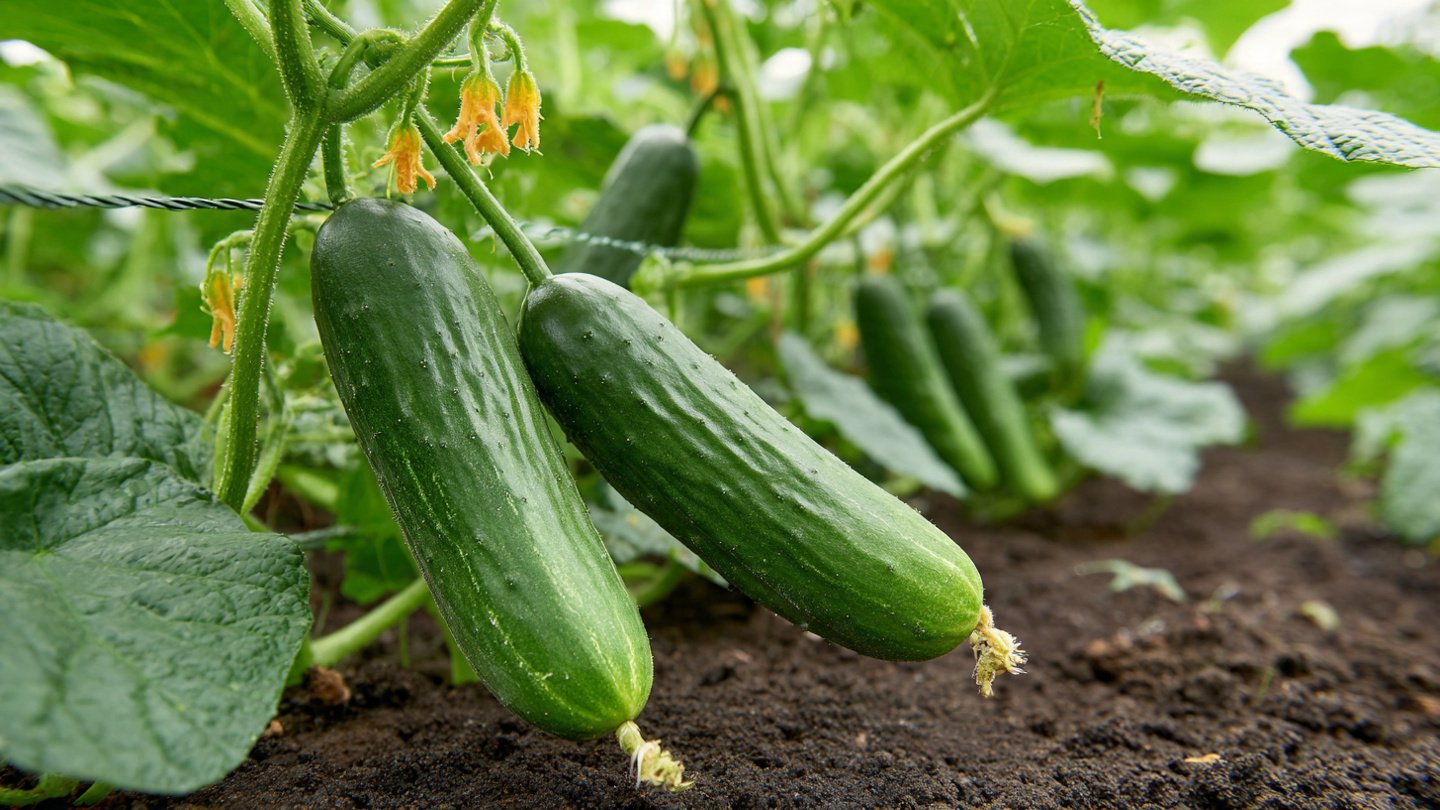
Cucumbers are one of the most refreshing and versatile vegetables you can grow in your garden. Whether you enjoy them fresh in salads, pickled as crunchy delights, or incorporated into summer drinks, growing your own cucumbers ensures a supply that’s crisp, juicy, and free from harmful chemicals. This step-by-step guide will walk you through everything you need to know to cultivate healthy cucumber plants and enjoy bountiful harvests throughout the season.
1. Choosing the Right Cucumber Variety
Before you plant a single seed, it’s important to select a cucumber variety that suits your garden space and culinary preferences. Cucumbers are generally categorized into three main types:
- Slicing Cucumbers – These are the classic cucumbers for fresh eating. They are long, smooth-skinned, and perfect for salads. Varieties include ‘Marketmore’ and ‘Straight Eight’.
- Pickling Cucumbers – Shorter and thicker, these cucumbers are ideal for pickling. Varieties like ‘Boston Pickling’ or ‘National Pickling’ are widely popular.
- Burpless Cucumbers – These are often sweeter, milder, and easier to digest, making them perfect for fresh consumption. ‘Sweet Success’ and ‘Tasty Green’ are common burpless options.
Additionally, consider whether you want vining cucumbers that climb trellises or bush varieties that stay compact, perfect for container gardening. Selecting the right type ensures better yields and fits your garden layout.
2. Preparing the Soil
Cucumbers thrive in well-draining, fertile soil rich in organic matter. Here’s how to prepare it:
- Soil Type: Loose, sandy loam or loamy soil with a pH of 6.0 to 7.0 is ideal.
- Organic Matter: Add compost, well-rotted manure, or organic fertilizers to enrich the soil and retain moisture.
- Soil Preparation: Till the soil 6–8 inches deep, breaking up clumps and removing rocks or debris. Cucumbers develop long roots, so loose soil helps their growth.
- Raised Beds: If your soil is heavy clay or poorly drained, consider planting cucumbers in raised beds to improve drainage and soil warmth.
Healthy soil is the foundation for crisp, juicy cucumbers, so spend extra time preparing it for the best results.
3. Sowing Seeds
Cucumbers can be grown directly in the garden or started indoors for an earlier harvest.
- Direct Sowing: Plant seeds 1 inch deep and 12 inches apart in rows spaced 36–48 inches apart. Sow after the last frost date when soil temperature reaches at least 70°F (21°C). Cucumbers love warmth!
- Indoor Seed Starting: Start seeds 3–4 weeks before the last frost. Use small pots or seed trays with seed-starting mix. Keep them in a warm, sunny window or under grow lights. Transplant seedlings outdoors when they have 2–3 true leaves and soil temperature is ideal.
Pro Tip: Soaking cucumber seeds in warm water for 2–4 hours before planting can speed up germination.
4. Providing Support
Many cucumber varieties are vining plants, meaning they will climb if given proper support. Using trellises or cages not only saves space but also improves air circulation, reduces diseases, and produces straighter fruits.
- Trellises: Construct a simple trellis with stakes or netting. Space the plants 12–18 inches apart at the base.
- Cages: Tomato cages work well for bush cucumbers.
- Ground Planting: If you prefer letting cucumbers sprawl on the ground, mulch around the base to keep fruits clean and prevent soil-borne diseases.
Vining cucumbers on trellises are easier to harvest and produce higher-quality fruits.
5. Watering and Mulching
Cucumbers are water-loving plants, requiring consistent moisture for juicy fruits.
- Watering: Provide 1–2 inches of water per week, preferably at the base to avoid wetting leaves. Drip irrigation or soaker hoses are ideal.
- Mulching: Apply straw, shredded leaves, or black plastic mulch to retain soil moisture, regulate temperature, and reduce weed growth.
- Avoid Overhead Watering: Wet leaves can promote fungal diseases like powdery mildew.
Regular watering ensures cucumbers remain tender and crisp, rather than bitter or tough.
6. Fertilizing
Cucumbers are heavy feeders. Nutrient-rich soil boosts growth and fruit quality.
- Pre-Plant Fertilization: Mix a balanced fertilizer (10-10-10 NPK) into the soil before planting.
- Side Dressing: Once the first fruits start developing, apply a nitrogen-rich fertilizer along the rows to promote leafy growth and fruit formation.
- Organic Options: Compost tea, fish emulsion, or seaweed extract can provide gentle, organic nutrition.
Avoid over-fertilizing with nitrogen, as it can produce lush leaves but fewer cucumbers.
7. Pollination
Cucumbers produce male and female flowers, and pollination is crucial for fruit development.
- Natural Pollination: Bees and other pollinators transfer pollen from male to female flowers.
- Hand Pollination: If pollinators are scarce, use a small brush or cotton swab to transfer pollen from male to female flowers. Female flowers are identifiable by a small fruit at the base.
Ensuring proper pollination prevents misshapen fruits and increases yields.
8. Pest and Disease Management
Cucumbers can be susceptible to pests and diseases, but early monitoring and organic practices keep them healthy.
- Common Pests:
- Cucumber Beetles: Feed on leaves and transmit bacterial wilt. Use row covers or neem oil.
- Aphids: Suck sap and weaken plants. Spray with insecticidal soap or water.
- Spider Mites: Thrive in dry conditions; keep soil moist and spray water on leaves.
- Common Diseases:
- Powdery Mildew: White, powdery spots on leaves. Improve air circulation and remove infected leaves.
- Downy Mildew: Yellow patches on leaves. Rotate crops yearly to prevent spread.
- Bacterial Wilt: Caused by cucumber beetles. Remove affected plants immediately.
Regular observation and preventive care keep your cucumbers thriving.
9. Harvesting
Knowing when and how to harvest cucumbers is key to enjoying their peak flavor.
- Timing: Most varieties mature in 50–70 days. Pick cucumbers when they are firm, green, and before seeds become hard.
- Frequency: Regular harvesting every 2–3 days encourages continuous production.
- Technique: Use a sharp knife or scissors to cut cucumbers from the vine, leaving a small stem attached to prevent rot.
Harvesting early and often ensures tender, juicy cucumbers and prolongs fruiting.
10. Storing Cucumbers
Cucumbers are best enjoyed fresh but can be stored for short periods:
- Refrigeration: Store unwashed cucumbers in a plastic bag in the crisper drawer for up to a week.
- Pickling: Turn surplus cucumbers into pickles, extending their shelf life while adding flavor.
- Avoid Freezing Fresh: Cucumbers have high water content and do not freeze well for raw use.
Proper storage helps you enjoy your harvest without waste.
11. Tips for Maximum Yield
- Rotate Crops: Avoid planting cucumbers in the same spot year after year to reduce soil-borne diseases.
- Prune Vines: For vigorous vining varieties, trim excessive lateral shoots to focus energy on fruit production.
- Provide Warmth: Cucumbers thrive in warm weather; use row covers or cloches in cooler climates.
- Companion Planting: Plant cucumbers near beans, corn, or radishes for natural pest control and improved growth.
These small adjustments can significantly boost your harvest.
12. Enjoying Your Cucumbers
Once your cucumbers are ready, the possibilities are endless:
- Fresh salads with herbs and vinaigrette.
- Chilled cucumber water or smoothies.
- Homemade pickles, spicy or sweet.
- Sandwiches, wraps, or garnishes.
Nothing compares to the taste of cucumbers straight from your garden, juicy and full of flavor.
Conclusion
Growing cucumbers is rewarding, easy to manage, and perfect for gardeners of all levels. By choosing the right variety, preparing soil carefully, providing proper support, watering consistently, and monitoring for pests and diseases, you can enjoy crisp, juicy cucumbers throughout the season. With patience, attention, and these step-by-step guidelines, your garden will soon overflow with fresh cucumbers, ready to delight your taste buds and impress friends and family. Start planting today, and you’ll discover just how satisfying growing your own cucumbers can be.