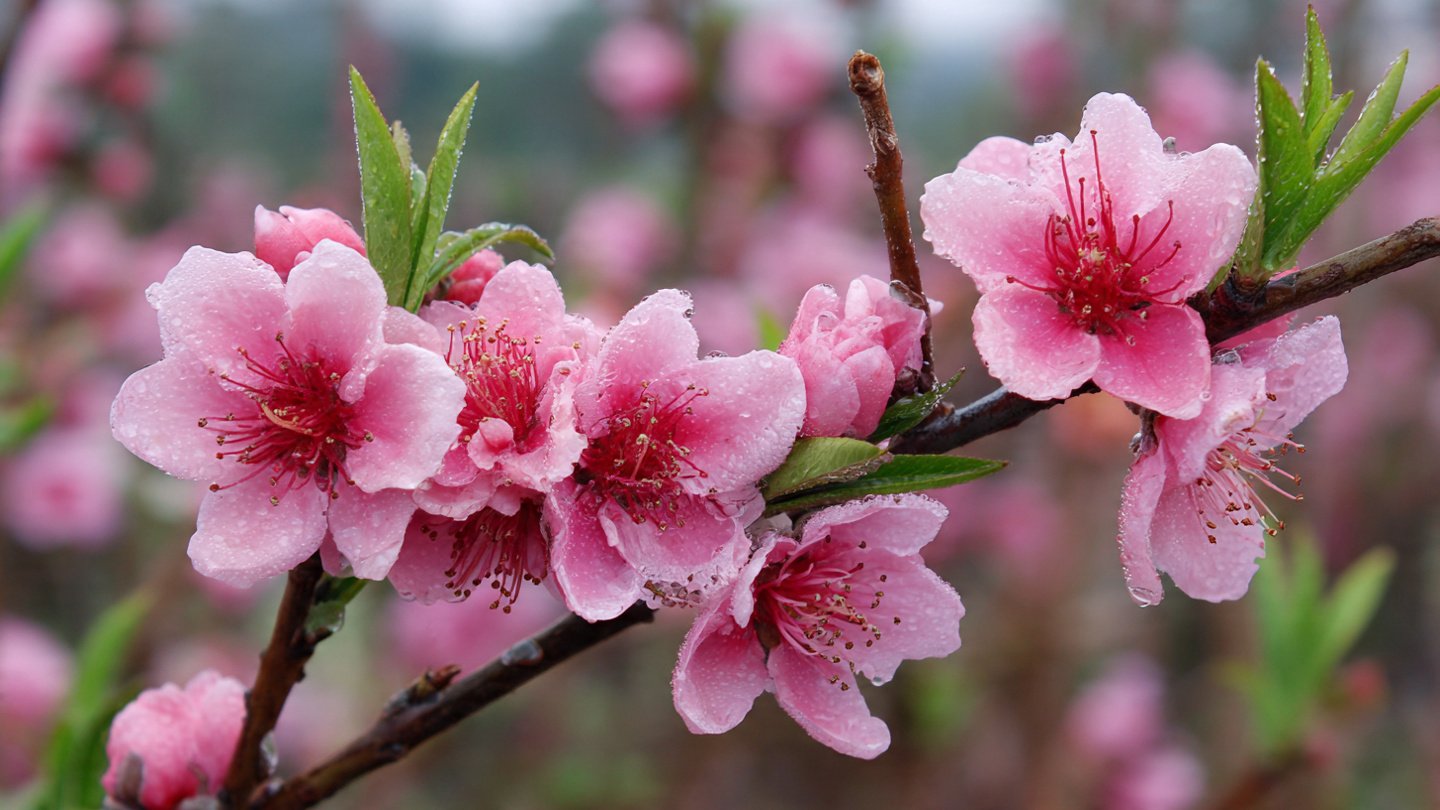
Growing peach trees in colder climates can seem challenging, but with the right approach, even gardeners in cold zones can enjoy a bountiful backyard harvest. Compact or dwarf peach trees are especially well-suited for small spaces and cold regions, as they are easier to protect, maintain, and manage. This guide provides step-by-step strategies for growing compact peach trees in cold zones, from selecting hardy varieties to ensuring proper care, pruning, and harvesting for maximum fruit production.
Understanding Cold Zone Challenges
Cold zones, often defined by the USDA Hardiness Zone map, experience harsh winters, spring frosts, and shorter growing seasons. These conditions present several challenges for peach trees:
- Winter damage: Traditional peach varieties may suffer from frost cracks or dieback during severe winters.
- Late spring frosts: Flower buds are particularly sensitive, and frost during bloom can prevent fruit set.
- Short growing season: Trees must ripen fruit quickly to avoid harvest problems.
Despite these challenges, compact peach trees can thrive in cold zones with proper planning, variety selection, and care.
Why Choose Compact Peach Trees?
Compact, dwarf, or semi-dwarf peach trees offer several advantages for cold climate gardeners:
- Easier protection: Smaller trees are easier to cover with frost cloth or other protective measures.
- Faster maturity: Dwarf trees often bear fruit sooner, sometimes in 2–3 years.
- Space efficiency: Ideal for small yards, raised beds, or container growing.
- Simplified pruning and harvesting: Reduced size makes care more manageable without ladders or heavy equipment.
Choosing compact trees allows gardeners to maximize production while minimizing labor and exposure to cold stress.
Selecting Cold-Hardy Peach Varieties
Variety selection is the most critical factor for successful fruiting in cold zones. Look for peaches that are resistant to winter damage and early-maturing to avoid frost risks.
Recommended cold-hardy varieties:
- Reliance: Very cold-tolerant and produces medium-sized, sweet peaches.
- Contender: Hardy, frost-resistant, with excellent flavor.
- Madison: Early-ripening and well-suited to northern climates.
- Harken: Compact growth and reliable fruit production in cooler zones.
Choose varieties labeled as low-chill, meaning they require fewer hours of winter cold to break dormancy. Low-chill varieties are ideal for regions with unpredictable winters.
Choosing the Right Planting Site
The success of compact peach trees begins with selecting an appropriate site:
Sunlight
- Peach trees require full sun, ideally 6–8 hours daily.
- Adequate sunlight ensures proper fruit ripening and reduces disease susceptibility.
Soil
- Well-draining, loamy soil is ideal, with a pH of 6.0–7.0.
- Avoid low-lying areas where water may pool, increasing the risk of root rot and frost pockets.
Wind Protection
- Plant trees where they are sheltered from harsh winds that can damage blooms and branches.
- Use fences, buildings, or companion plantings as natural windbreaks.
Planting Compact Peach Trees
Planting correctly gives your tree a strong start, critical for surviving cold conditions.
Step 1: Timing
- Plant bare-root trees in late winter while dormant, before buds swell.
- Container-grown trees can be planted in early spring, after the danger of deep frost has passed.
Step 2: Digging the Hole
- Dig a hole twice as wide as the root system and slightly deeper than the roots.
- Ensure the graft union (where the tree is grafted onto rootstock) remains above the soil line to prevent rot.
Step 3: Soil Preparation
- Amend the soil with compost or organic matter to improve drainage and fertility.
- Avoid excessive nitrogen at planting, which can promote excessive leafy growth at the expense of roots.
Step 4: Planting
- Place the tree in the hole, spread the roots gently, and backfill with soil.
- Water thoroughly to settle the soil and remove air pockets.
- Mulch around the base to retain moisture, leaving space around the trunk to prevent rot.
Watering and Fertilization
Proper water and nutrient management are essential for growth and fruit production.
Watering
- Young trees need consistent watering to establish roots.
- Mature trees require 1–2 inches of water per week, especially during dry spells and fruit development.
- Avoid waterlogging, which increases the risk of root diseases in cold zones.
Fertilization
- Apply a balanced fertilizer (10-10-10) in early spring.
- Avoid excessive nitrogen, which can produce abundant leaves but weak branches prone to frost damage.
- Conduct soil tests to determine nutrient needs and avoid over-fertilization.
Pruning and Training for Cold Zones
Pruning compact peach trees promotes healthy growth, reduces disease risk, and improves cold tolerance.
Training Systems
- Open-center (vase) shape: Allows sunlight penetration and airflow, reducing frost damage and disease.
- Central leader: Best for smaller spaces; helps maintain tree height and structure.
Pruning Tips
- Remove dead, diseased, or crossing branches each winter while the tree is dormant.
- Thin fruit-bearing shoots to prevent overcrowding, ensuring larger, higher-quality peaches.
- Shorten vigorous shoots to encourage lateral growth and better cold tolerance.
Regular pruning reduces frost damage risk by limiting weak branches that can snap under ice or snow.
Protecting Peach Trees from Cold Damage
Cold zones pose a unique challenge to fruit production, particularly during late winter and early spring.
Winter Protection
- Apply mulch around the base to insulate roots.
- Consider using tree wraps or burlap to shield trunks from frost cracks.
Frost Protection for Blossoms
- Late frosts can damage flowers, reducing fruit yield.
- Use frost cloths, row covers, or portable cold frames during cold snaps.
- Plant trees in slightly elevated areas to avoid frost pockets.
Microclimate Management
- Place trees near heat-retaining walls or structures to create a warmer microclimate.
- Companion plantings, such as shrubs or evergreens, can reduce wind chill and protect delicate blooms.
Pests and Disease Management
Compact peach trees are susceptible to pests and diseases, particularly in cold zones where weakened trees struggle to recover.
Common issues:
- Peach leaf curl: Causes distorted leaves; prevent with fungicide sprays in late winter.
- Brown rot: A fungal disease affecting fruit; remove infected fruit promptly.
- Aphids and borers: Inspect regularly and use appropriate insecticidal soaps or traps.
Healthy, well-watered, and properly pruned trees are more resilient to pests and diseases.
Harvesting Compact Peach Trees
Timing your harvest is crucial for flavor and fruit quality:
- Peach color: Look for fruit that is fully colored according to variety (yellow, red, or blush tones).
- Firmness: Gently squeeze; ripe peaches yield slightly to pressure.
- Aroma: Sweet fragrance indicates peak ripeness.
Harvest early in the morning when temperatures are cool to prevent bruising and reduce spoilage.
Tips for Successful Cold Zone Peach Production
- Choose low-chill, cold-hardy varieties to ensure bloom and fruit set.
- Plant multiple trees to encourage cross-pollination and increase yield.
- Regularly monitor for frost and protect blossoms during critical flowering periods.
- Maintain soil fertility and proper irrigation for consistent growth.
- Prune annually to strengthen structure, encourage sunlight penetration, and remove weak wood.
- Consider container growing for extra protection, allowing trees to be moved indoors or into sheltered areas during extreme cold.
By combining these strategies, even gardeners in challenging cold zones can produce a reliable, bountiful harvest of sweet, juicy peaches.
Conclusion
Growing compact peach trees in cold zones is not only possible—it can be highly rewarding with proper planning and care. Selecting cold-hardy, low-chill varieties, planting in optimal locations, and protecting trees during winter and frost events ensures successful fruit production. Coupled with careful watering, fertilization, pruning, and pest management, compact peach trees can thrive even in small backyard spaces.
With dedication and attention to detail, gardeners in cold regions can enjoy lush, productive peach trees that deliver fresh, homegrown fruit year after year. Compact peach trees make it easier to manage cold-related challenges while maximizing yield, making them an excellent choice for any backyard orchard in northern climates.