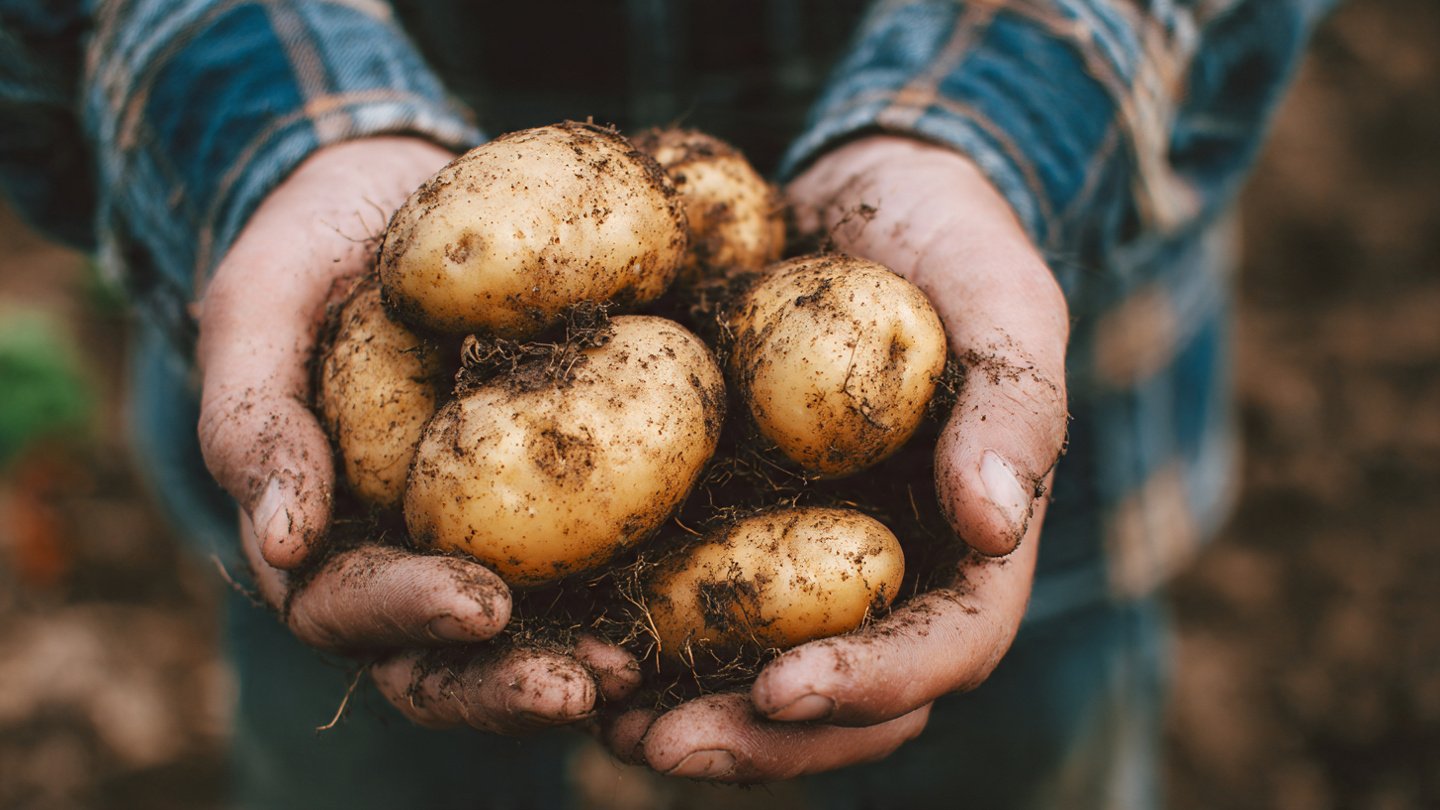
Potatoes are a staple in kitchens worldwide, versatile, filling, and surprisingly easy to grow at home. From crispy roasted potatoes to creamy mashed potatoes and hearty stews, there’s hardly a dish that doesn’t benefit from this humble tuber. For beginner gardeners, growing your own potatoes is not only rewarding but also a fun introduction to home gardening. With just a few simple steps, you can enjoy fresh, flavorful potatoes straight from your garden, free from chemicals and additives.
This guide will walk you through everything you need to know about growing potatoes at home—from selecting seed potatoes to harvesting your bounty.
Why Grow Your Own Potatoes?
Before diving into the process, it’s worth considering why homegrown potatoes are worth the effort:
- Freshness and Flavor – Homegrown potatoes have a richer taste than store-bought ones, which often spend weeks in storage.
- Chemical-Free – You control what goes into your garden, ensuring pesticide-free produce.
- Fun and Educational – Potato gardening is a great hands-on learning experience for beginners and children alike.
- Cost-Effective – A few seed potatoes can yield a substantial harvest, making it economical.
- Versatility – Potatoes can grow in traditional garden beds, raised beds, containers, or even large buckets, making them suitable for any space.
By growing your own potatoes, you gain control over quality, flavor, and production, all while enjoying the satisfaction of harvesting your own food.
Selecting the Right Potatoes
The first step in successful potato gardening is choosing the right variety. Potatoes come in different types suited for various uses and growing conditions:
1. Early Varieties
- Mature quickly, usually within 70–90 days.
- Ideal for beginners eager to see fast results.
- Examples: ‘Yukon Gold,’ ‘Red Norland.’
2. Maincrop Varieties
- Take longer to mature (100–130 days) but produce larger yields.
- Great for storage and long-term use.
- Examples: ‘Russet Burbank,’ ‘Kennebec.’
3. Specialty Potatoes
- Include fingerlings, colored potatoes, and waxy types.
- Offer unique flavors and textures for creative dishes.
Tip: Always use certified seed potatoes instead of supermarket potatoes, as these are disease-free and specifically intended for planting.
Preparing Seed Potatoes
Seed potatoes are small potatoes or pieces of larger potatoes that will grow into new plants. Proper preparation ensures a strong start:
- Chitting: Allow seed potatoes to sprout before planting.
- Place them in a cool, bright area with indirect sunlight.
- After 2–4 weeks, small green shoots will appear.
- Cutting Large Seed Potatoes:
- If the potato is large, cut it into pieces with at least one or two sprouts (eyes) per piece.
- Allow cut pieces to dry for a day to prevent rot after planting.
- Avoid Planting Diseased Potatoes:
- Look for soft spots, mold, or black marks, which may carry disease to your garden.
By preparing seed potatoes properly, you give your plants a strong start and maximize your chances of a healthy, high-yield harvest.
Choosing the Right Location
Potatoes require well-draining soil and adequate sunlight. Consider the following:
- Sunlight – At least 6–8 hours of direct sunlight daily.
- Soil – Loose, fertile soil with good drainage; sandy or loamy soil works best.
- pH Level – Slightly acidic soil (pH 5.0–6.5) encourages tuber development.
- Space – Potatoes need space to spread underground. Traditional rows, raised beds, or containers work well.
Avoid planting potatoes in areas where tomatoes, peppers, or eggplants were grown last year, as they share soil diseases.
Planting Potatoes
Potatoes can be planted directly in the garden, in raised beds, or even in containers. Here’s how to get started:
1. Traditional Garden Rows
- Dig trenches 4–6 inches deep and 12 inches apart.
- Place seed potatoes with eyes facing up, spaced 12 inches apart.
- Cover with 2–3 inches of soil.
2. Raised Beds
- Raised beds improve drainage and make hilling easier.
- Plant seed potatoes 4–6 inches deep and cover with soil.
3. Container or Bucket Gardening
- Use a large container with drainage holes.
- Add 4–6 inches of soil, place seed potatoes, and cover lightly.
- As plants grow, keep adding soil (hilling) to encourage tuber formation.
Tip: Water lightly after planting and keep soil consistently moist but not soggy.
Hilling Potatoes
Hilling is the practice of piling soil around potato stems as they grow. It encourages more tuber production and prevents green potatoes:
- Start hilling when plants are 6–8 inches tall.
- Cover the base of the plant with soil or mulch, leaving the top leaves exposed.
- Repeat every 1–2 weeks until plants flower.
Hilling also improves drainage, reduces weed competition, and protects potatoes from sunlight, which can cause bitterness and solanine accumulation.
Caring for Potato Plants
Proper care ensures healthy plants and a bountiful harvest:
1. Watering
- Potatoes need 1–2 inches of water per week.
- Avoid overwatering, which can lead to rot.
- Water at the base of plants to keep foliage dry and prevent disease.
2. Fertilizing
- Apply balanced fertilizer or compost at planting time.
- Side-dress with nitrogen-rich fertilizer during early growth to promote leafy development.
- Reduce nitrogen during flowering to encourage tuber formation.
3. Pest and Disease Management
Common potato pests and diseases include:
- Colorado potato beetles – Handpick or use neem oil.
- Aphids – Spray water or insecticidal soap.
- Blight – Remove infected leaves and avoid overhead watering.
Rotate crops annually to prevent soil-borne diseases.
Harvesting Potatoes
Potatoes are typically ready to harvest 10–12 weeks after planting for early varieties, or 16–20 weeks for maincrop varieties.
Signs of Readiness
- Flowering indicates the start of tuber formation.
- Foliage begins to yellow and die back for mature potatoes.
Harvesting Tips
- Gently dig around the plant with a fork to avoid damaging tubers.
- Remove potatoes carefully and brush off soil; avoid washing until ready to use.
- Cure in a dark, ventilated area for a few days for longer storage.
For “new potatoes,” harvest early while plants are still green and tender.
Storing Potatoes
Proper storage ensures your homegrown potatoes last longer:
- Keep in a cool, dark, well-ventilated area.
- Avoid direct sunlight to prevent greening.
- Do not store with onions, as gases from onions can cause sprouting.
- Store in paper bags, mesh sacks, or wooden crates for best results.
Homegrown potatoes can last several months if stored correctly, allowing you to enjoy your harvest long after planting.
Fun Ways to Grow Potatoes at Home
Potatoes are surprisingly versatile for home gardening and can even be grown creatively:
- Potato Towers – Stack soil or compost in a vertical container, adding seed potatoes layer by layer.
- Grow Bags – Perfect for balconies or small spaces, easy to harvest.
- Upside-Down Buckets – Drill holes in a bucket, plant seed potatoes inside, and grow with soil layers.
- Companion Planting – Plant potatoes alongside beans, corn, or cabbage for a productive mini-garden.
These methods make potato gardening fun, space-efficient, and rewarding for beginners.
Conclusion
Growing your own potatoes at home is easy, fun, and rewarding, even for beginners. By selecting the right variety, preparing healthy seed potatoes, planting properly, and providing consistent care, you can enjoy a bountiful harvest of fresh, flavorful potatoes.
Key Takeaways for Beginner Potato Gardeners:
- Use certified seed potatoes to ensure healthy growth.
- Choose a sunny location with well-draining soil.
- Hill soil around growing plants to protect tubers and increase yield.
- Water consistently and fertilize according to growth stage.
- Monitor for pests and diseases, and take action early.
- Harvest carefully and store in a cool, dark place for long-term use.
Whether you have a backyard, balcony, or a small garden bed, potatoes can be grown successfully in various setups. With a little care and patience, your homegrown potatoes will not only enhance your meals but also give you the satisfaction of growing your own food from start to finish.
Growing potatoes is more than just gardening—it’s a journey from seed potato to dinner table, providing fresh, healthy, and flavorful potatoes for your family all year long.