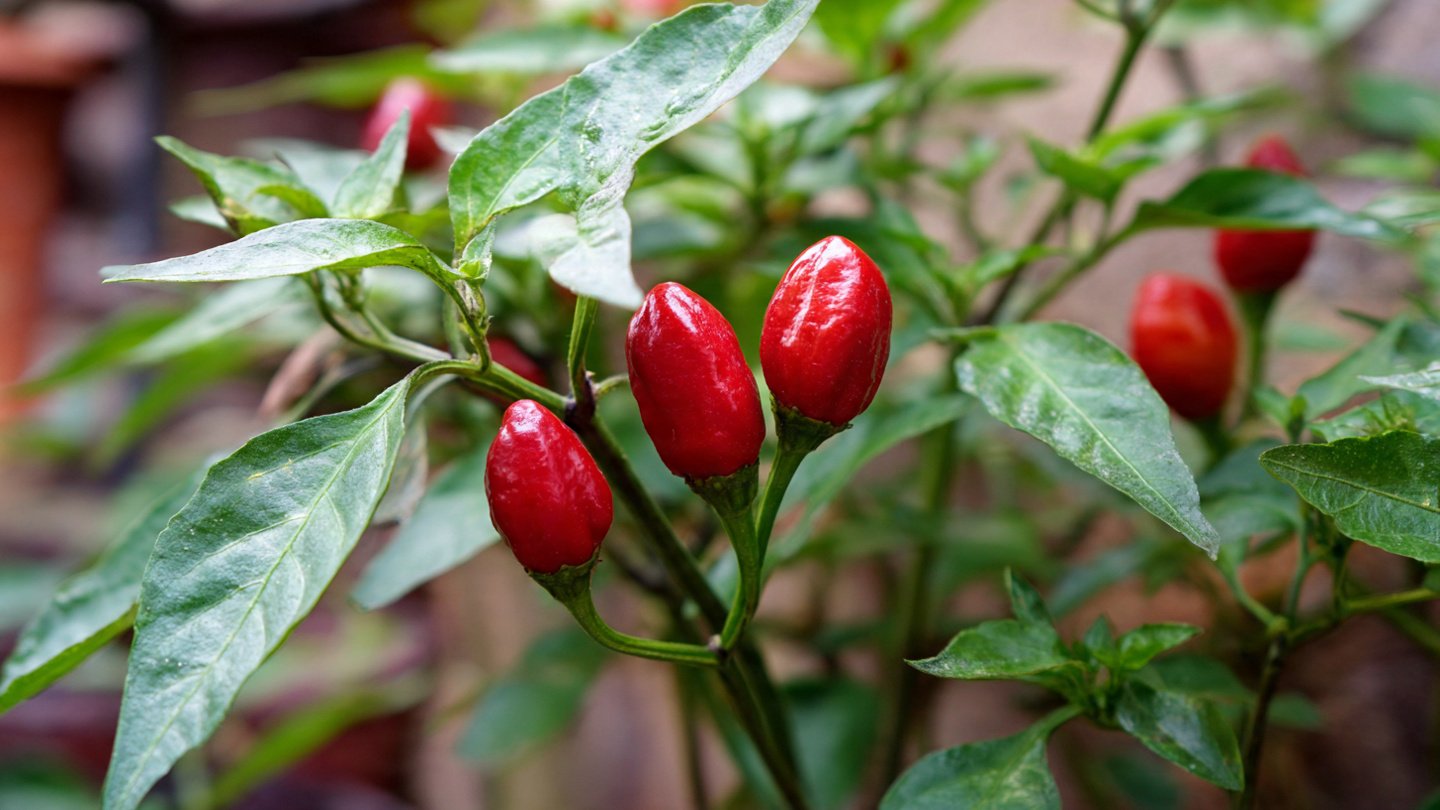
Chillies are one of the most rewarding plants you can grow at home. Whether you enjoy mild heat or fiery spice, cultivating chillies in pots is an easy, space-saving way to enjoy fresh, chemical-free harvests right from your balcony, terrace, or windowsill. With the right techniques, even beginners can achieve big yields from small containers.
This complete guide will walk you through easy chilli cultivation at home, from seed selection to harvesting, ensuring healthy plants and abundant production.
Why Grow Chillies in Pots?
Growing chillies in pots offers several advantages:
- Perfect for small spaces like balconies and patios
- Easy to control soil quality and watering
- Fewer pest and disease issues compared to ground planting
- Portable plants that can be moved for better sunlight
- Continuous harvests for months
With minimal effort, one healthy chilli plant can produce dozens of fruits over its lifetime.
Choosing the Right Chilli Variety
Selecting the right variety plays a major role in success. Some chilli types perform exceptionally well in containers:
- Green chillies (long varieties) – High yielding and fast growing
- Bird’s eye chilli – Compact plant with heavy fruiting
- Thai chillies – Excellent for pots and balconies
- Kashmiri chilli – Mild heat with vibrant color
- Capsicum (bell pepper) – Larger pots required, but very productive
Tip: Choose hybrid or locally adapted seeds for better resistance and yield.
Selecting the Perfect Pot
Chillies need enough root space to support fruiting:
- Minimum pot size: 10–12 inches deep and wide
- Material: Clay, plastic, or grow bags all work well
- Drainage holes: Absolutely essential to prevent root rot
One plant per pot is ideal. Overcrowding reduces yield and increases disease risk.
Best Soil Mix for Big Harvests
Healthy soil leads to healthy plants and more chillies. The ideal potting mix should be nutrient-rich and well-draining.
Recommended soil mix:
- 40% garden soil or potting soil
- 30% compost or vermicompost
- 20% cocopeat or sand
- 10% perlite or rice husk
This mix ensures:
- Good drainage
- Strong root growth
- Long-term nutrient availability
Avoid heavy clay soil—it restricts root growth and causes waterlogging.
Sowing Chilli Seeds Successfully
Step-by-step seed sowing:
- Soak seeds in water for 8–10 hours to improve germination
- Fill a small seed tray or pot with light soil mix
- Sow seeds ¼ inch deep
- Water gently using a spray bottle
- Keep in a warm, bright location (not direct sunlight)
Seeds usually germinate within 7–12 days.
Once seedlings develop 4–5 true leaves, they are ready for transplanting.
Transplanting Seedlings into Pots
Careful transplanting ensures strong growth:
- Transplant in the evening or early morning
- Handle seedlings gently to avoid root damage
- Plant at the same depth as in the seed tray
- Water immediately after transplanting
Allow plants a few days to adjust before exposing them to full sunlight.
Sunlight: The Key to Spicy Success
Chilli plants are sun lovers and require:
- 6–8 hours of direct sunlight daily
- Best placement: South- or west-facing balconies or terraces
Insufficient sunlight results in:
- Weak plants
- Fewer flowers
- Poor fruiting
Rotate pots weekly to ensure even growth.
Watering the Right Way
Improper watering is the most common mistake in chilli cultivation.
Watering tips:
- Water when the top inch of soil feels dry
- Avoid daily light watering
- Water deeply until excess drains out
- Reduce watering during rainy or humid weather
Overwatering causes:
- Yellow leaves
- Root rot
- Flower drop
Consistent moisture—not soggy soil—is the goal.
Feeding for Maximum Yield
Chilli plants are heavy feeders, especially during flowering and fruiting.
Organic feeding schedule:
- Every 15 days:
- Vermicompost or compost tea
- During flowering:
- Banana peel liquid or phosphorus-rich fertilizer
- Monthly:
- Epsom salt spray (1 tsp per liter) for magnesium boost
Avoid excess nitrogen—it promotes leaf growth but reduces fruit production.
Pruning and Pinching for Bushy Plants
Pruning encourages more branches and higher yields.
When and how to prune:
- Pinch the top when the plant is 8–10 inches tall
- Remove weak or inward-growing branches
- Remove early flowers to strengthen the plant initially
Well-pruned plants produce:
- More flowering points
- Stronger stems
- Better airflow
Improving Flowering and Preventing Flower Drop
Flower drop is common but preventable.
Causes:
- Sudden temperature changes
- Overwatering
- Nutrient imbalance
- Lack of sunlight
Solutions:
- Maintain consistent watering
- Feed with phosphorus and potassium
- Avoid moving pots frequently during flowering
- Protect plants from extreme heat
Healthy plants retain flowers and convert them into fruits efficiently.
Natural Pest Control for Chilli Plants
Common pests include aphids, spider mites, and whiteflies.
Organic solutions:
- Neem oil spray (every 7–10 days)
- Soap water spray for aphids
- Garlic-chilli spray for insect deterrence
Also:
- Remove infected leaves immediately
- Ensure good airflow
- Avoid overcrowding
Healthy plants resist pests naturally.
Supporting Heavy Fruit Loads
As chillies mature, branches may bend due to fruit weight.
- Use small bamboo stakes or sticks
- Tie branches loosely with soft thread
- Prevent stem breakage during windy weather
Support helps maintain plant health and improves yield quality.
Harvesting Chillies Correctly
Harvesting at the right time encourages continuous production.
Harvest tips:
- Pick green chillies when firm and glossy
- Allow some fruits to ripen red for seed saving
- Harvest regularly to stimulate new flowering
Use scissors or gently twist fruits to avoid plant damage.
Saving Seeds for Future Planting
You can save seeds easily:
- Choose fully ripe red chillies
- Dry seeds in shade for several days
- Store in airtight containers
- Label with date and variety
Properly stored seeds remain viable for 2–3 years.
Common Mistakes to Avoid
- Using very small pots
- Overwatering
- Excessive nitrogen fertilizer
- Growing in low light
- Ignoring pruning
Avoiding these mistakes significantly improves your harvest.
Final Thoughts
Growing chillies at home in pots is simple, cost-effective, and highly rewarding. With proper sunlight, well-draining soil, balanced feeding, and timely pruning, you can enjoy big harvests from compact spaces.
To summarize:
- Choose the right variety
- Use proper pot size and soil
- Provide enough sunlight
- Water wisely
- Feed regularly
- Prune for productivity
Whether you’re a beginner or an experienced gardener, chilli plants are a perfect addition to your home garden—bringing spice, color, and satisfaction straight from pot to plate.
Start today, and enjoy home-grown chillies bursting with flavor and freshness all year round!