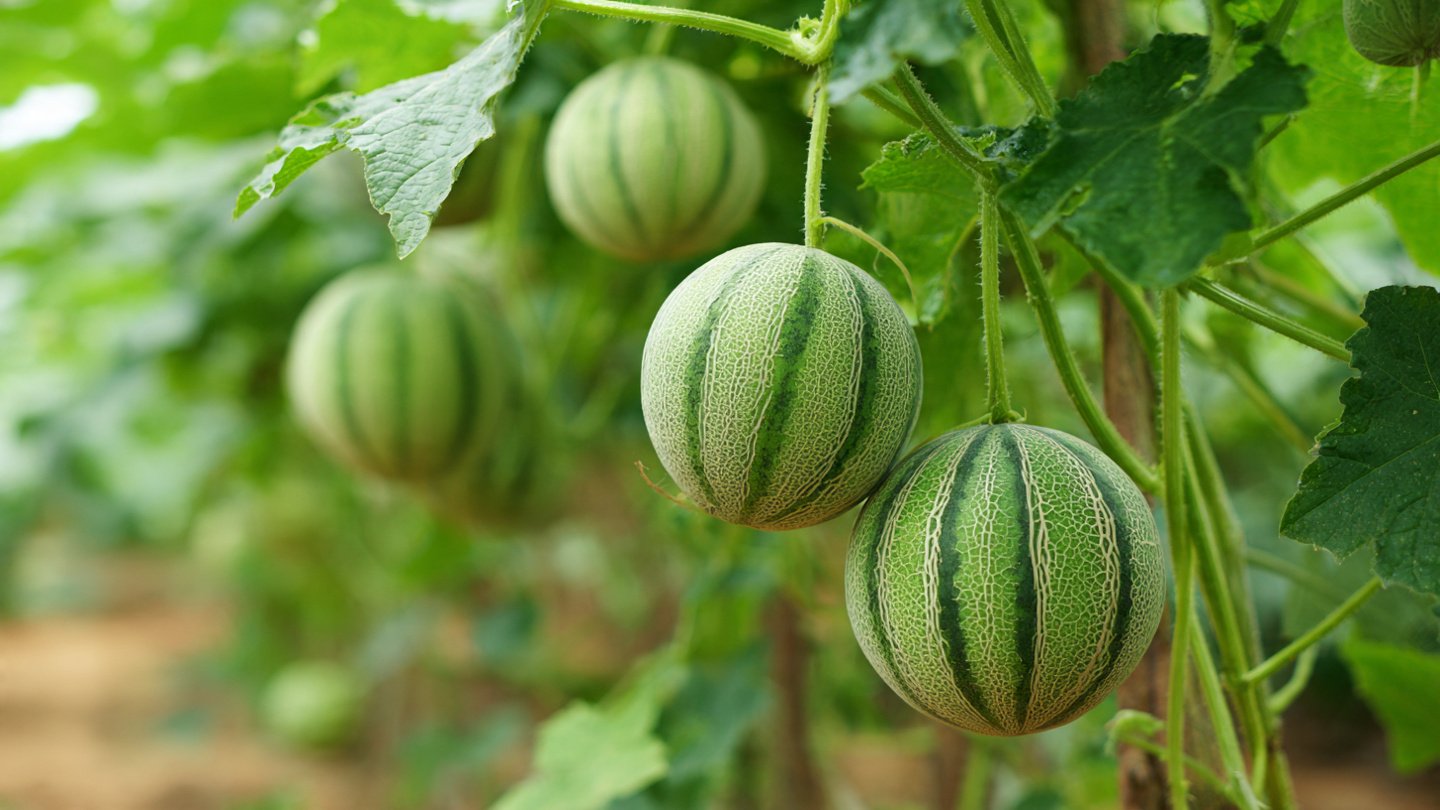
Melons are one of the most rewarding fruits you can grow at home. Sweet, juicy, and fragrant, they bring a sense of satisfaction that few garden crops can match. Yet many home gardeners shy away from planting melons because they think they need vast fields, perfect weather, or complex care. The truth is, with the right approach, you can grow melons successfully beside your house, even in a small garden. This article will guide you step by step, offering easy, practical methods to help you harvest your own melons right outside your door.
Why Grow Melons Beside Your House?
Growing melons close to your home comes with several advantages:
- Convenient Access: You can check and water your melons daily, which is crucial during hot, dry periods.
- Microclimate Benefits: The warmth from your house walls can extend the growing season and protect plants from sudden cold snaps.
- Space Efficiency: Vertical or small-space techniques allow you to grow melons in tight areas.
- Pest and Disease Management: Proximity makes it easier to spot problems early and take action before your plants are severely affected.
With careful planning, a small strip beside your house can produce a surprising amount of sweet, healthy melons.
Choosing the Right Melon Variety
Not all melons are ideal for small gardens or home cultivation. When growing beside your house, consider:
- Size: Choose compact or bush varieties if space is limited.
- Growth Habit: Some melons are climbers, which allows vertical growing along trellises or fences.
- Climate Suitability: Select a variety that thrives in your local conditions.
Some recommended varieties for home gardeners include:
- Bush-type melons: Smaller, compact plants that work well in limited space.
- Cantaloupes (Muskmelons): Sweet and aromatic, ideal for trellising.
- Honeydew melons: Smooth-skinned and great for small gardens with enough sunlight.
Preparing the Soil Beside Your House
Healthy melons start with healthy soil. Follow these simple steps:
1. Choose the Spot:
Pick a location that gets at least 6–8 hours of sunlight daily. Avoid areas where water tends to collect, as melons dislike soggy roots.
2. Soil Preparation:
- Loosen the soil to a depth of 12–15 inches.
- Mix in organic compost or well-rotted manure to boost fertility.
- Ensure good drainage by adding sand or perlite if your soil is heavy clay.
3. Fertilization:
Melons are nutrient-hungry. Incorporate a balanced organic fertilizer or bone meal into the soil before planting to support strong root and vine growth.
Pro Tip: If your soil is slightly acidic, adding a small amount of lime can improve nutrient availability for melons.
Planting Melons Beside Your House
Planting melons beside a house requires a little thought to avoid overcrowding and ensure good airflow. Here’s how:
1. Direct Seeding or Transplants:
- Direct Seeding: Sow seeds about 1 inch deep, spacing 18–24 inches apart for bush types, or 36 inches for larger vines.
- Transplants: Start seeds indoors 3–4 weeks before the last frost. Harden them off before planting outside.
2. Plant Orientation:
- If your house wall is sunny, plant 2–3 feet away to allow air circulation.
- For vertical growing, place trellises along the wall, ensuring the plant has enough space to climb without being cramped.
3. Watering After Planting:
Water gently but deeply to settle the soil around roots. Avoid overhead watering; use a drip system or water at the base to prevent leaf diseases.
Supporting Melons With Trellises or Stakes
One of the easiest ways to grow melons beside a house is by training them vertically. This saves space, improves fruit quality, and keeps melons clean.
Steps for Vertical Growth:
- Install a sturdy trellis 5–6 feet high near the wall.
- Gently tie vines to the trellis with soft plant ties or strips of cloth.
- For heavier melons, use slings made from old stockings or cloth to support the fruit as it grows.
Vertical growing also helps reduce pest attacks, as melons are lifted off the ground and away from crawling insects.
Watering and Mulching
Proper watering is essential for sweet, juicy melons.
- Consistent Moisture: Melons need 1–2 inches of water per week. Avoid letting soil dry out completely, especially during flowering and fruiting.
- Deep Watering: Water at the root zone to encourage deep root growth.
- Mulching: Use straw, shredded leaves, or black plastic mulch to retain soil moisture, suppress weeds, and keep fruits off the soil.
Pro Tip: Avoid wetting the leaves, as damp foliage encourages powdery mildew and other diseases.
Fertilizing for Maximum Yield
Once melons are growing, they benefit from regular feeding:
- Early Growth: Nitrogen-rich fertilizer encourages leafy growth.
- Flowering and Fruiting: Switch to a fertilizer higher in phosphorus and potassium to boost flowers, fruit set, and sweetness.
- Foliar Feeding: Occasionally, spray diluted liquid fertilizer on leaves for a quick nutrient boost.
Avoid over-fertilizing with nitrogen during fruiting, as it encourages vine growth at the expense of melons.
Pest and Disease Management
Melons can attract pests like aphids, cucumber beetles, and spider mites. Common diseases include powdery mildew and downy mildew.
Preventive Measures:
- Inspect plants regularly and remove damaged leaves.
- Use floating row covers early in the season to protect young seedlings.
- Encourage beneficial insects like ladybugs and lacewings.
- Ensure proper spacing for air circulation to prevent fungal growth.
Organic sprays, neem oil, or homemade garlic sprays can help manage mild infestations without harmful chemicals.
Harvesting Your Melons
Knowing when to harvest is key to enjoying melons at their peak flavor. Signs of ripeness vary by type:
- Cantaloupes: Look for a sweet aroma and netting on the skin turning golden. The stem should slip off easily.
- Honeydew: Skin turns creamy and slightly waxy. Tap the melon—ripe honeydew has a deep, hollow sound.
- Watermelon: Tendril near the fruit dries and turns brown; the underside of the fruit changes from green to yellowish.
Harvest in the morning hours when it’s cooler, and handle fruits gently to avoid bruising.
Seasonal Care Tips
- Spring: Prepare soil, plant seeds, and start transplants indoors.
- Summer: Monitor water, tie vines to trellises, and mulch.
- Fall: Harvest all mature melons before the first frost. Compost old vines and clean the area for next season.
By following these seasonal guidelines, you can enjoy a continuous supply of homegrown melons year after year.
Common Mistakes to Avoid
- Overcrowding Plants: Crowded vines reduce airflow, increasing disease risk.
- Inconsistent Watering: Fluctuations can cause fruits to split or taste bland.
- Ignoring Sunlight Needs: Melons need full sun for sweetness and optimal growth.
- Neglecting Trellis Support: Heavy fruits left unsupported can damage vines.
Avoiding these mistakes ensures a successful, productive melon harvest.
Benefits of Growing Melons at Home
Growing melons beside your house isn’t just convenient—it’s rewarding in many ways:
- Fresh, Organic Produce: You know exactly how your fruits are grown.
- Cost Savings: Reduce grocery bills by growing high-value crops at home.
- Educational Fun: A great way for children and adults to learn about gardening.
- Environmental Impact: Reduce food miles and waste by growing local produce.
Homegrown melons have a flavor and fragrance that store-bought melons simply cannot match.
Final Thoughts
Melons may seem like a challenging crop, but with careful planning and a few simple techniques, growing them beside your house can be easy and highly rewarding. By choosing the right variety, preparing soil, supporting vines, watering consistently, and managing pests naturally, you can transform a small patch near your home into a melon paradise.
Whether you have a small backyard or a cozy side yard, these steps will help you enjoy fresh, juicy melons all season long. With patience and care, your home garden can become a sweet oasis, bursting with flavors that delight every family member.
Growing melons beside your house isn’t just gardening—it’s creating a homegrown treasure you can taste, enjoy, and share. 🍈🌞