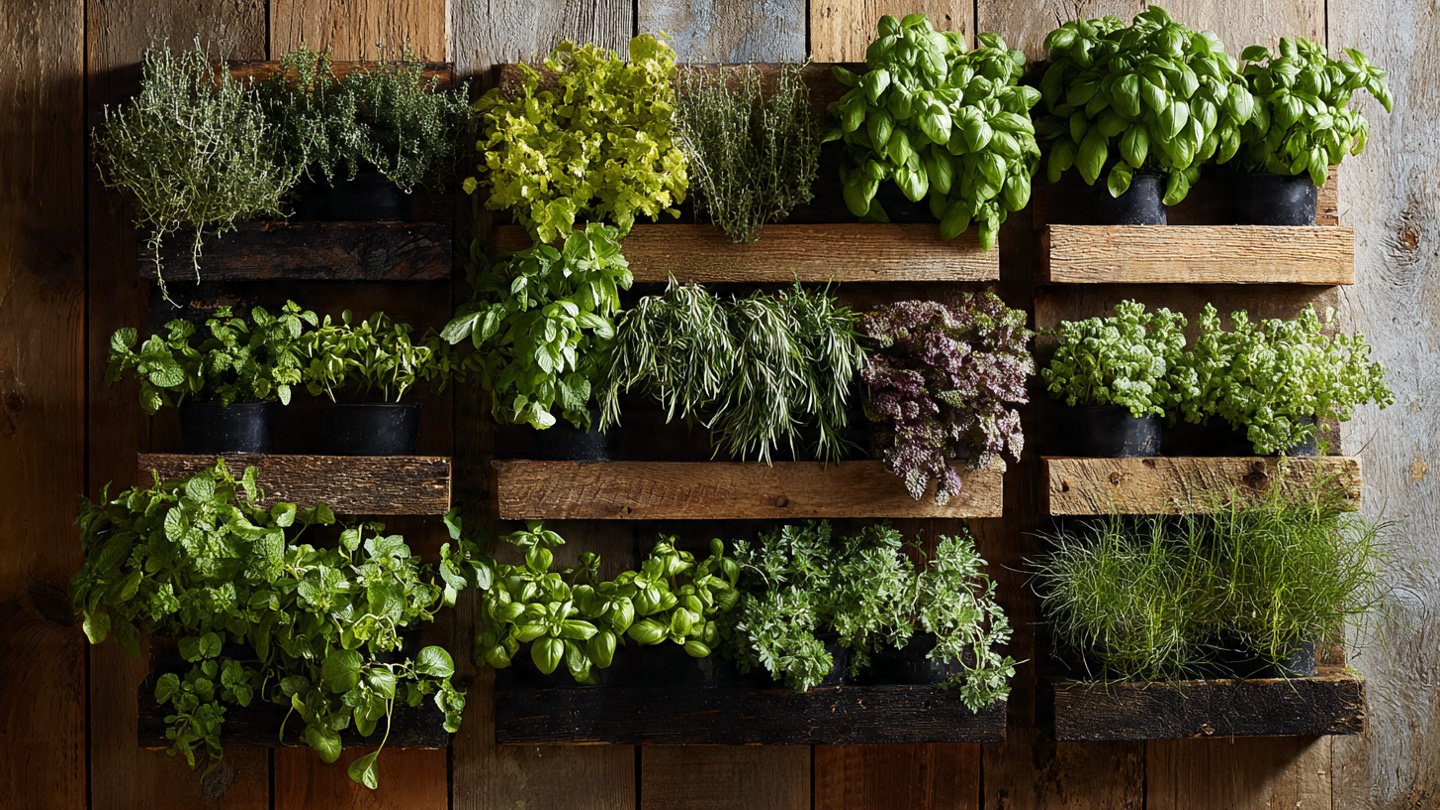
Imagine stepping into your kitchen and reaching for fresh basil, thyme, or mint without having to walk to the garden or buy from the store. A vertical herb garden on a sunny kitchen door allows you to grow your favorite herbs in a compact, accessible space. This approach is perfect for small apartments, urban homes, or anyone who wants a constant supply of fresh, flavorful herbs. In this guide, we’ll explore how to plan, build, and maintain a vertical herb garden that thrives year-round, bringing fresh flavor to your meals daily.
Why a Vertical Herb Garden?
Vertical gardening is ideal for kitchens and small spaces for several reasons:
- Space Efficiency: Utilizing vertical surfaces like doors or walls saves counter and floor space, ideal for apartments or small kitchens.
- Accessibility: Herbs are easy to reach, making cooking with fresh ingredients convenient.
- Aesthetic Appeal: A lush vertical garden adds greenery and life to your kitchen environment.
- Continuous Harvest: Properly maintained, a vertical herb garden provides fresh herbs year-round.
This approach allows gardeners to grow more in less space while keeping herbs visible, accessible, and vibrant.
Step 1: Choose the Right Location
Sunlight is the most important factor for herb growth. Most culinary herbs require 6–8 hours of direct sunlight per day to thrive. A sunny kitchen door or wall facing south or west is ideal.
- Kitchen Door Placement: If your door receives bright sunlight, it’s perfect for a vertical garden.
- Alternative Options: If sunlight is limited, consider supplementing with a grow light.
- Temperature Considerations: Herbs generally prefer temperatures between 65°F–75°F (18°C–24°C). Avoid placing your garden near heat sources or cold drafts.
Selecting the right location ensures your herbs grow healthy and flavorful.
Step 2: Select Herbs for Your Vertical Garden
Choose herbs that match your cooking habits, growing conditions, and garden space. Consider:
- Compact Herbs: Basil, thyme, chives, oregano, and parsley grow well in small containers.
- Trailing or Vertical Herbs: Mint, lemon balm, and creeping rosemary are ideal for vertical planting.
- Sun-Loving Herbs: Most herbs need sunlight; parsley, sage, and rosemary thrive in sunny conditions.
- Herbs With Similar Care Requirements: Group herbs that have similar watering and sunlight needs to simplify maintenance.
Plan your selection based on what you use most often in the kitchen and the growth habits of each plant.
Step 3: Choose a Vertical Garden System
Several vertical gardening options are suitable for kitchen doors:
1. Pocket Planters
- Made of felt, fabric, or canvas.
- Multiple pockets allow planting of several herbs.
- Lightweight and easy to hang on doors.
2. Wall-Mounted Planter Boxes
- Wooden, plastic, or metal boxes attached to the door.
- Provide more soil volume, supporting larger herbs.
- Ideal for herbs with deeper root systems.
3. Hanging Pots or Jars
- Small pots or repurposed jars hung vertically using hooks or brackets.
- Adds a decorative touch and makes harvesting easy.
- Great for small kitchens with limited wall space.
4. DIY Pallet or Ladder Gardens
- Use an old wooden pallet or step ladder to create tiers.
- Paint or treat wood to protect it from moisture.
- Offers a rustic, charming look while maximizing space.
Choose a system that fits your kitchen’s size, style, and available sunlight.
Step 4: Prepare Containers and Soil
Herbs thrive in well-draining soil. When preparing your vertical herb garden:
- Containers: Ensure each pocket or pot has drainage holes to prevent waterlogging.
- Soil Mix: Use a lightweight potting mix designed for herbs or vegetables. A mix of peat, perlite, and compost works well.
- Fertilizer: Mix slow-release organic fertilizer into the soil to provide steady nutrients. Herbs are light feeders, so avoid heavy chemical fertilizers.
Proper soil preparation ensures roots grow strong and herbs remain healthy over time.
Step 5: Planting Your Herbs
Planting techniques for vertical herb gardens differ slightly from traditional garden beds:
- Fill Containers With Soil: Leave about an inch of space at the top for watering.
- Plant Seedlings or Seeds:
- Seedlings: Gently loosen roots and plant at the same depth they grew in their nursery container.
- Seeds: Sow according to package instructions, lightly covering with soil.
- Water Gently: Moisten the soil without washing away seeds or seedlings.
- Label Plants: Use small tags to identify each herb, especially if you’re planting multiple varieties.
Planting carefully reduces transplant shock and encourages strong root growth.
Step 6: Watering and Maintenance
Vertical herb gardens require attentive care to thrive:
- Watering Frequency: Check soil moisture daily. Most herbs prefer evenly moist but not waterlogged soil.
- Watering Method: Bottom watering or gentle watering from the top prevents soil from spilling and reduces mold growth on pockets.
- Pruning: Regularly trim herbs to encourage bushy growth and prevent legginess.
- Fertilization: Use liquid organic fertilizer every 4–6 weeks to maintain nutrient levels, especially in small containers.
Consistent care keeps your vertical garden lush and productive.
Step 7: Harvesting Your Herbs
Harvesting correctly promotes continuous growth:
- Pinch Tips: Snip the top few inches of stems rather than cutting entire branches.
- Harvest Regularly: Frequent harvesting prevents plants from flowering too early and keeps them producing leaves.
- Avoid Over-Harvesting: Never remove more than one-third of a plant at a time. This allows herbs to recover and grow stronger.
Fresh, daily harvesting ensures you always have flavorful herbs for cooking.
Step 8: Troubleshooting Common Issues
Even well-planned vertical herb gardens can encounter problems:
- Yellow Leaves: Often a sign of overwatering, nutrient deficiency, or poor drainage.
- Leggy Plants: Caused by insufficient sunlight. Move closer to light or add a grow light.
- Pests: Aphids or spider mites can infest indoor gardens. Wash leaves with mild soap solution or rinse under running water.
- Root Bound Plants: In small pockets or jars, roots may outgrow containers. Repot into slightly larger containers or trim roots carefully.
Addressing issues early ensures your herbs stay healthy and productive.
Step 9: Seasonal Considerations
Vertical herb gardens indoors can thrive year-round with minor adjustments:
- Winter Care: Supplement sunlight with grow lights if natural light is insufficient.
- Summer Care: Avoid direct harsh sunlight that may scorch leaves, especially on windows or doors.
- Rotate Herbs: Replace seasonal herbs with fresh seedlings as needed to maintain variety and continuous harvest.
Adapting your care to seasonal changes keeps your garden productive year-round.
Step 10: Creative Enhancements
Make your kitchen herb garden even more functional and beautiful:
- Add Aromatic Herbs Near Eye Level: Basil, mint, or lemon balm provide fragrance as well as flavor.
- Use Decorative Containers: Colorful pots or recycled jars add style to your kitchen.
- Incorporate Companion Plants: Small flowers like marigolds can deter pests and add color.
- Install a Drip Watering System: For low-maintenance watering, small drip systems save time and keep soil evenly moist.
These enhancements improve both aesthetics and functionality of your kitchen garden.
Conclusion
Creating a vertical herb garden on a sunny kitchen door is an easy, space-saving way to grow fresh herbs daily. With careful planning—selecting the right herbs, containers, and soil—combined with proper watering, fertilization, and maintenance, you can enjoy a continuous harvest year-round. Vertical herb gardens are not only practical but also bring life, color, and flavor to your kitchen.
By growing your own herbs vertically, you save money, reduce trips to the grocery store, and gain the satisfaction of harvesting fresh ingredients at your fingertips. With a little effort and consistency, your sunny kitchen door can become a lush, aromatic vertical garden that elevates every meal.
Whether you are a beginner or an experienced gardener, vertical herb gardening is an accessible, rewarding way to maximize small spaces and enjoy fresh flavor daily.