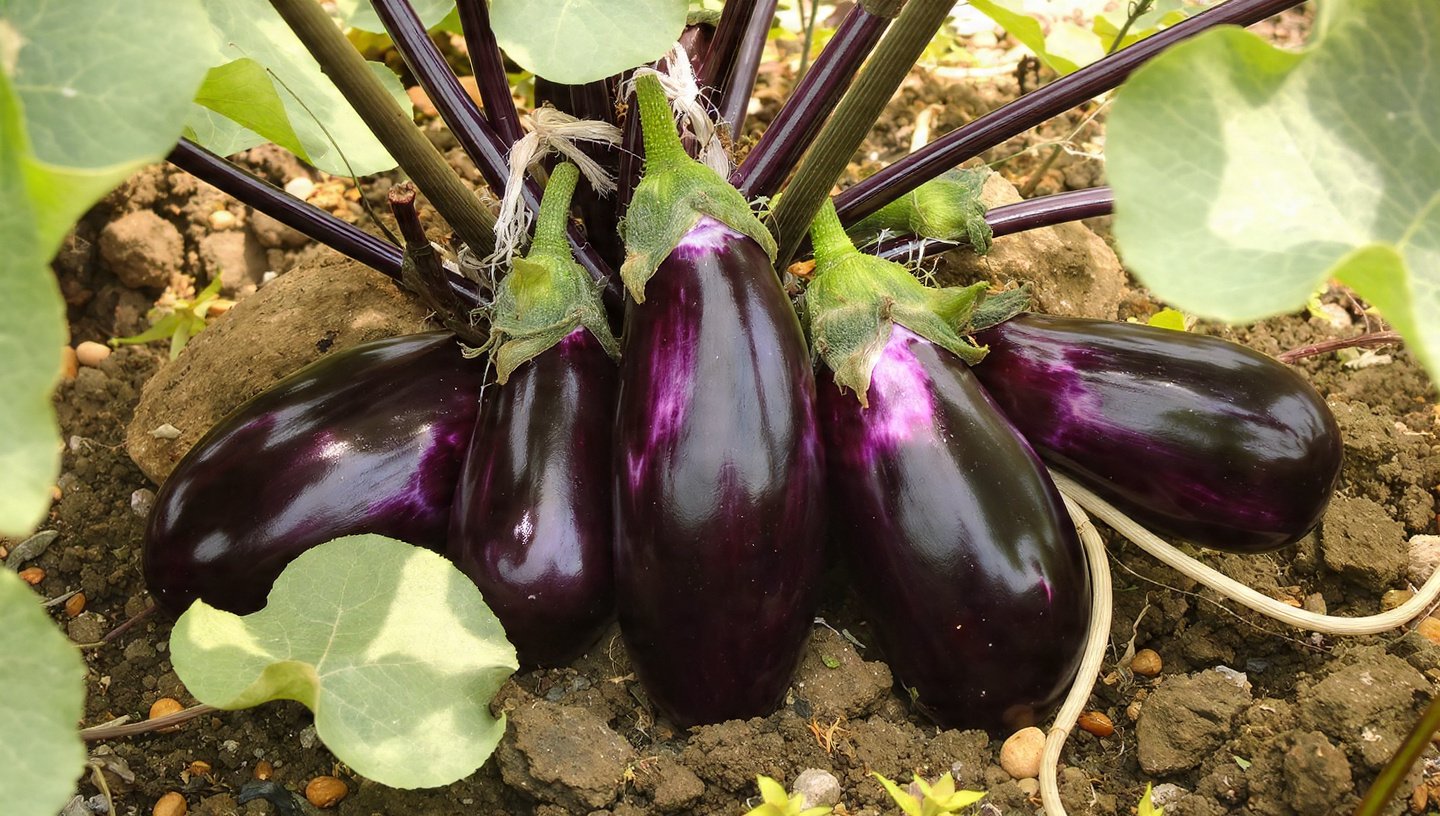
Eggplants, also known as aubergines, are a versatile and delicious vegetable beloved in cuisines around the world. From creamy eggplant dips like baba ganoush to rich eggplant curries, this vegetable adds flavor, nutrition, and texture to countless dishes. However, many gardeners struggle to get their eggplants to produce an abundant harvest, often seeing only a handful of fruits despite careful care.
The good news? With the right approach, you can dramatically increase your eggplant yield and enjoy a bountiful harvest throughout the growing season. This article will reveal proven techniques, tips, and strategies to grow eggplants so productive that you’ll be amazed at how many fruits you can harvest.
Understanding Eggplants and Their Growing Needs
Before diving into techniques for boosting production, it’s important to understand what eggplants need to thrive.
1. Climate and Sunlight
Eggplants are warm-season plants that thrive in full sunlight. They need at least 6–8 hours of direct sunlight daily for optimal growth and fruit production. Eggplants are sensitive to cold temperatures; anything below 50°F (10°C) can stunt growth or prevent flowering.
2. Soil Requirements
Eggplants prefer well-draining, fertile soil rich in organic matter. A slightly acidic to neutral pH (6.0–6.8) is ideal. Loamy soil enriched with compost or aged manure encourages strong root development, which is essential for supporting fruit production.
3. Water and Moisture
Consistent moisture is critical. Eggplants require regular watering, especially during flowering and fruit development. However, overwatering can lead to root rot or fungal diseases. Maintaining a balance—keeping the soil evenly moist but not waterlogged—is key.
4. Nutrient Needs
Eggplants are heavy feeders, meaning they need a steady supply of nutrients to produce abundant fruit. Fertilizers rich in nitrogen support leafy growth, while phosphorus and potassium promote flowering and fruiting. Organic options like compost, worm castings, or balanced vegetable fertilizers work exceptionally well.
By meeting these basic growing requirements, you set the stage for strong plants that can produce more fruits than you ever imagined.
Techniques to Boost Eggplant Fruit Production
Even with the right environment, eggplants won’t reach their full potential without specific techniques that encourage flowering, pollination, and fruit development.
1. Start Seeds Indoors Early
Starting seeds indoors 6–8 weeks before the last frost allows plants to get a head start on the growing season. Transplanting healthy, established seedlings gives your eggplants a longer period to produce flowers and fruits. Seedlings should be hardened off—gradually exposed to outdoor conditions—before planting in the garden to reduce transplant shock.
2. Proper Spacing
Eggplants need space for air circulation and sunlight penetration. Crowded plants can lead to disease and reduced flowering. Space your eggplants 18–24 inches apart and allow 30–36 inches between rows. Adequate spacing ensures each plant receives sufficient light, nutrients, and airflow, all of which contribute to higher fruit yields.
3. Pruning for Productivity
Pruning eggplants might sound counterintuitive, but it encourages plants to focus energy on producing fruit rather than excessive leafy growth. Here’s how:
- Remove lower leaves that touch the soil to reduce disease risk.
- Pinch off the first few flowers to redirect energy toward vegetative growth and stronger branches.
- Trim excessive side shoots to prevent overcrowding and improve airflow.
Pruning keeps plants healthy and promotes larger, more abundant fruits.
4. Mulching for Moisture and Weed Control
Applying a layer of mulch around eggplant roots helps retain soil moisture, suppress weeds, and regulate temperature. Organic mulch like straw, shredded leaves, or grass clippings breaks down over time, adding nutrients to the soil and further supporting fruit development.
5. Fertilization Schedule
Eggplants benefit from regular feeding. A good approach is:
- Pre-planting: Mix compost or aged manure into the soil.
- Early growth: Apply a nitrogen-rich fertilizer to promote leafy growth.
- Flowering and fruiting: Switch to a phosphorus- and potassium-rich fertilizer to encourage blooms and fruit set.
Supplementing with liquid fertilizers like seaweed extract or fish emulsion every few weeks can also boost flowering and fruiting.
6. Supporting the Plants
Eggplants can become top-heavy with large fruits. Using stakes, cages, or trellises prevents branches from breaking under the weight and keeps fruits off the ground, reducing pest and disease risk. Supporting the plants also improves air circulation and sunlight exposure, which encourages continuous fruit production.
Enhancing Pollination for Maximum Fruits
Flowering alone is not enough—eggplants require effective pollination for fruit development.
1. Attract Pollinators
Eggplants are pollinated by bees and other insects. Planting pollinator-friendly flowers nearby or growing herbs like basil and dill can attract bees to your garden.
2. Hand Pollination
If pollinators are scarce, you can hand-pollinate flowers using a small brush or simply shaking the flower clusters gently. This ensures pollen reaches the stigma and increases the chances of fruit set.
3. Timing
Eggplants produce the most flowers and fruits during warm, sunny days. Ensuring plants are healthy, well-watered, and fertilized during these peak periods maximizes fruit production.
Controlling Pests and Diseases
Pests and diseases can severely reduce eggplant yields. By preventing problems proactively, you can keep plants healthy and productive.
Common Eggplant Pests:
- Aphids
- Flea beetles
- Whiteflies
- Spider mites
Common Diseases:
- Verticillium wilt
- Fusarium wilt
- Powdery mildew
- Bacterial spot
Preventive Measures:
- Rotate crops each season to reduce soil-borne diseases.
- Remove diseased leaves immediately.
- Use insecticidal soap or neem oil for pests.
- Maintain proper spacing and prune plants to improve airflow.
Healthy, pest-free plants are more vigorous and produce more flowers and fruits.
Harvesting Tips to Encourage Continuous Production
How and when you harvest eggplants affects the total yield.
- Pick regularly: Harvesting fruits when they reach the right size encourages the plant to produce more. Overripe fruits signal the plant to slow down flower production.
- Use sharp tools: Cut fruits with a knife or scissors to avoid damaging branches.
- Harvest during cooler hours: Early morning or late afternoon prevents stress on the plant.
By following these tips, your eggplants will continue producing fruits throughout the growing season, often exceeding initial expectations.
Year-Round Production Strategies
For gardeners in warmer climates or with access to greenhouses or indoor growing setups, it’s possible to harvest eggplants year-round.
- Greenhouse growing: Provides controlled temperature, light, and humidity, allowing for extended growing seasons.
- Container gardening: Move plants indoors during cold weather. Place them in sunny windows or under grow lights.
- Hydroponics: Eggplants adapt well to hydroponic systems, producing faster growth and higher yields with less soil-related labor.
With these approaches, even gardeners in regions with cold winters can enjoy fresh eggplants all year.
Conclusion
Eggplants are rewarding vegetables, both in flavor and productivity, but they require more than just planting seeds and waiting. By providing the right growing conditions, proper care, and thoughtful techniques, you can significantly boost fruit production and enjoy an abundant harvest.
Key takeaways for maximizing eggplant yield:
- Start seedlings early and provide ample sunlight.
- Use fertile, well-draining soil with consistent moisture.
- Space, prune, and support plants for healthy growth.
- Fertilize strategically to encourage flowering and fruiting.
- Ensure pollination through insects or hand techniques.
- Prevent pests and diseases proactively.
- Harvest regularly to stimulate continuous fruit production.
With these strategies, your eggplants can produce more fruit than you ever imagined, transforming your garden into a bountiful paradise. Whether you’re a beginner or an experienced gardener, following these methods will help you enjoy the satisfaction of fresh, homegrown eggplants in every meal.