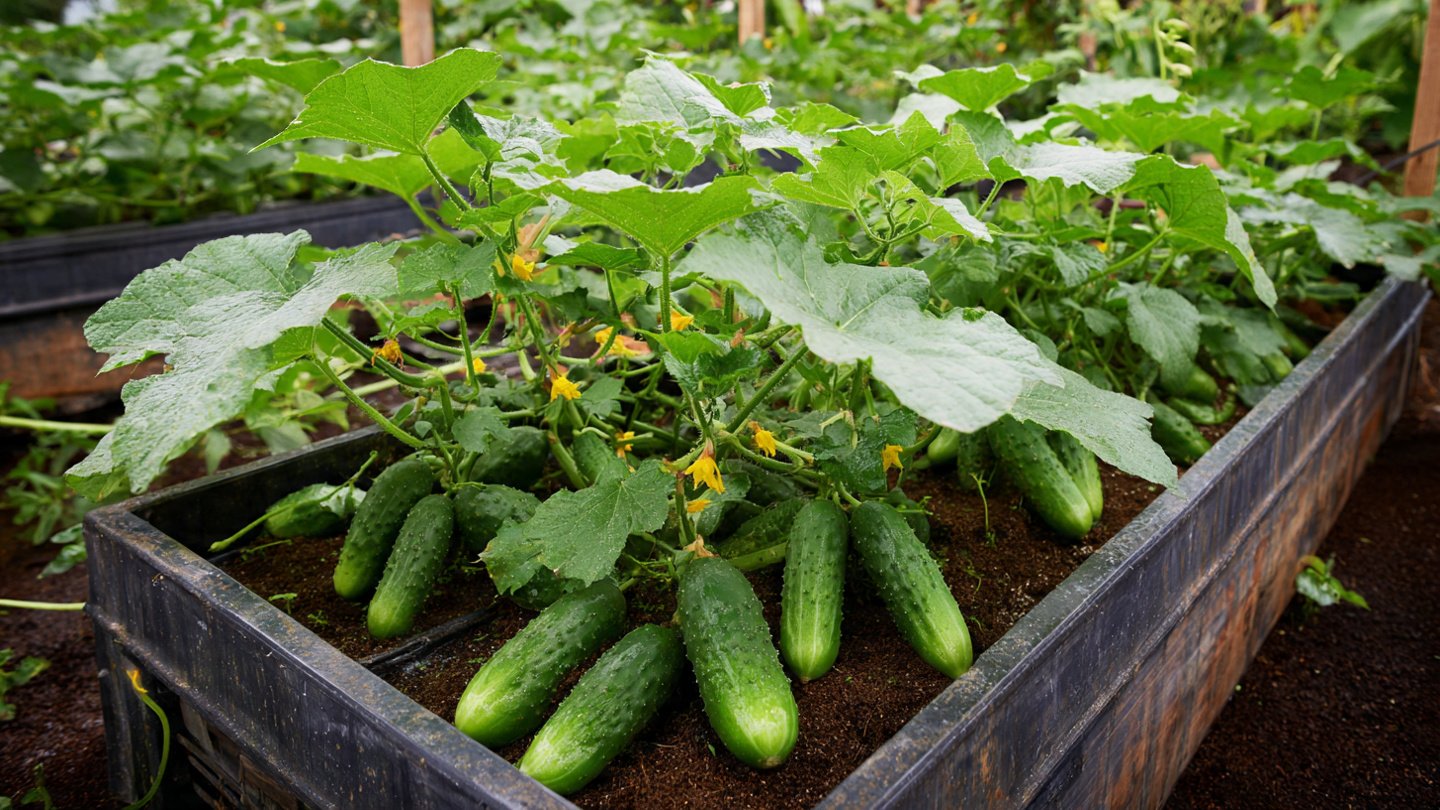
Cucumbers are a favorite vegetable for home gardeners around the world. Crisp, refreshing, and versatile in the kitchen, they are perfect for salads, pickles, and snacks. But what if you don’t have a garden or yard space? The good news is that cucumbers can thrive in containers—even simple plastic tubs—making it possible to enjoy a high-yield harvest on balconies, patios, or even indoors with enough sunlight. With the right approach, growing cucumbers in plastic tubs can be easy, productive, and incredibly rewarding.
Why Grow Cucumbers in Plastic Tubs?
Growing cucumbers in plastic tubs has several advantages:
- Space-Saving: If you live in an apartment or have a small outdoor area, tubs allow you to grow cucumbers without the need for a traditional garden.
- Mobility: Plastic tubs are lightweight and portable. You can move them to follow sunlight or protect plants from heavy rain or pests.
- Control Over Soil: Using a tub allows you to control soil quality and fertility, which is crucial for cucumber plants that thrive in nutrient-rich, well-drained soil.
- Pest and Weed Reduction: Growing in containers reduces the risk of weeds and certain pests, making maintenance easier.
- High Yield: With proper care, cucumber plants can produce a generous harvest even in limited space.
Choosing the Right Plastic Tub
Not all plastic containers are suitable for growing cucumbers. Here are some tips for selecting the right tub:
- Size Matters: Cucumbers need space for their roots. A tub should hold at least 15–20 gallons of soil for each plant. Larger tubs will allow your plants to produce more cucumbers.
- Drainage Holes: Proper drainage is essential to prevent waterlogging, which can lead to root rot. Drill multiple holes at the bottom of your tub to ensure excess water can escape.
- Material: Choose sturdy, food-grade plastic tubs that won’t crack easily under sunlight or weight of soil. Avoid containers that previously stored chemicals or toxins.
- Depth: A tub that is at least 12–18 inches deep works best for cucumber roots.
Preparing the Soil
Cucumbers thrive in rich, loose, well-draining soil. Using garden soil alone is not recommended for containers because it can compact and hinder root growth. Instead, prepare a mix:
- Base Mix: 50% high-quality potting soil and 50% compost. Compost enriches the soil with nutrients essential for healthy plant growth.
- Drainage Additive: Add perlite or coarse sand (about 10–20%) to improve drainage.
- Fertilizer Boost: Incorporate slow-release organic fertilizer into the soil mix to support steady growth and fruit production.
Fill the tub with your prepared soil, leaving about 2–3 inches of space from the top to allow for watering.
Selecting Cucumber Varieties
Certain cucumber varieties perform better in containers. Look for bush or compact types, as they don’t require extensive space to sprawl. Popular container-friendly cucumber varieties include:
- Bush Champion: Compact, high-yielding, and produces straight fruits.
- Spacemaster: Perfect for tubs and produces tasty medium-sized cucumbers.
- Patio Snacker: Small plants ideal for limited spaces and balconies.
- Miniature Varieties: Such as ‘Salad Bush’ or ‘Little Leaf’ are perfect for indoor tubs.
If you choose vining varieties, be prepared to provide vertical support, like a trellis or netting, to encourage upward growth and prevent the plant from sprawling.
Planting Cucumbers in Tubs
Follow these steps for successful planting:
- Seed or Seedlings: You can start with cucumber seeds or young seedlings. Seeds should be sown 1 inch deep, while seedlings can be transplanted directly.
- Spacing: Plant 1–2 seeds per tub for bush varieties, or 2–3 for vining types. Thin seedlings to leave only the strongest plant.
- Support: For vining cucumbers, insert a small trellis, bamboo sticks, or netting at the time of planting so the plant can climb as it grows.
- Sunlight: Cucumbers need 6–8 hours of direct sunlight daily. Place your tubs in a sunny spot, whether on a balcony, terrace, or near a south-facing window indoors.
Watering and Care
Cucumber plants require consistent moisture to produce healthy, juicy fruits. Here’s how to care for your tub-grown cucumbers:
- Watering: Keep the soil evenly moist but not soggy. Water deeply whenever the top 1–2 inches of soil feel dry. During hot weather, you may need to water daily.
- Mulching: Apply a layer of straw, shredded leaves, or mulch on top of the soil to retain moisture and regulate soil temperature.
- Feeding: Feed your cucumbers every 2–3 weeks with liquid organic fertilizer, such as compost tea, fish emulsion, or a balanced vegetable fertilizer.
- Pruning: For vining cucumbers, trim side shoots and leaves that block sunlight to encourage better airflow and fruit production.
Supporting Your Plants
Even container-friendly cucumbers benefit from support:
- Trellises: Vertical trellises save space and keep fruits clean. Secure vines loosely with soft ties to prevent damage.
- Cages or Netting: Tomato cages or garden netting work well to keep cucumbers off the soil.
- Regular Training: Guide vines as they grow, wrapping them gently around the support structure. This promotes healthy growth and makes harvesting easier.
Pollination
Cucumbers produce both male and female flowers. For fruit to develop, pollination is essential:
- Outdoor Plants: Bees and other pollinators usually handle this naturally.
- Indoor Plants: If grown inside, you may need to hand-pollinate using a small paintbrush or cotton swab. Transfer pollen from male flowers to female flowers (identified by tiny immature fruits at the base).
Proper pollination ensures your plants produce a high yield of well-formed cucumbers.
Harvesting Cucumbers
Cucumbers grow quickly—often ready to harvest 50–70 days after planting, depending on the variety. Tips for harvesting:
- Check Daily: Cucumbers can go from ripe to overripe quickly, so check your plants daily.
- Pick Young: Harvest cucumbers when they reach their recommended size for the variety. Smaller fruits are usually crisper and more flavorful.
- Use Gentle Hands: Twist or cut the cucumber from the vine carefully to avoid damaging the plant.
Frequent harvesting encourages plants to continue producing new fruits throughout the season.
Troubleshooting Common Problems
Growing cucumbers in tubs is generally simple, but a few challenges may arise:
- Yellow Leaves: Usually caused by overwatering or poor drainage. Adjust watering and check drainage holes.
- Powdery Mildew: Prevent with good airflow and by avoiding overhead watering. Treat early with organic fungicides if needed.
- Pests: Aphids, cucumber beetles, and spider mites may appear. Inspect plants regularly and use organic insecticidal soap if necessary.
- Flower Drop: Often caused by inconsistent watering, extreme heat, or insufficient pollination. Maintaining steady care and hand-pollinating indoors can help.
Benefits of Growing Cucumbers in Tubs
The rewards of container-grown cucumbers extend beyond convenience:
- Freshness: You can pick cucumbers right before eating, maximizing flavor and nutrition.
- Continuous Harvest: With proper care, tub-grown cucumbers can produce multiple harvests throughout the season.
- Pesticide-Free: Growing in containers allows you to control pest management naturally, resulting in healthier, chemical-free cucumbers.
- Educational: This method is excellent for teaching kids or beginners about gardening in a manageable, hands-on way.
- Sustainable: Growing your own cucumbers reduces packaging waste and your carbon footprint from store-bought produce.
Tips for a High-Yield Harvest
To maximize your cucumber production in tubs:
- Keep the soil consistently moist and fertile.
- Provide adequate sunlight and vertical support.
- Regularly prune and remove damaged leaves.
- Harvest frequently to encourage continuous production.
- Rotate containers slightly every few weeks if sunlight is uneven.
- Use high-quality seeds and select varieties suited for container growth.
Conclusion
You don’t need a backyard or garden plot to grow delicious, fresh cucumbers. With a plastic tub, good soil, consistent care, and minimal support, you can achieve a high-yield harvest on a balcony, patio, or even indoors. Container gardening is a practical, space-saving solution for urban living, allowing you to enjoy the benefits of homegrown produce without traditional garden space.
By following these steps, from selecting the right tub to proper watering, support, and harvesting techniques, you can transform a simple plastic container into a mini cucumber garden. Start small, stay consistent, and watch your cucumbers thrive—providing crisp, flavorful vegetables for your table all season long.