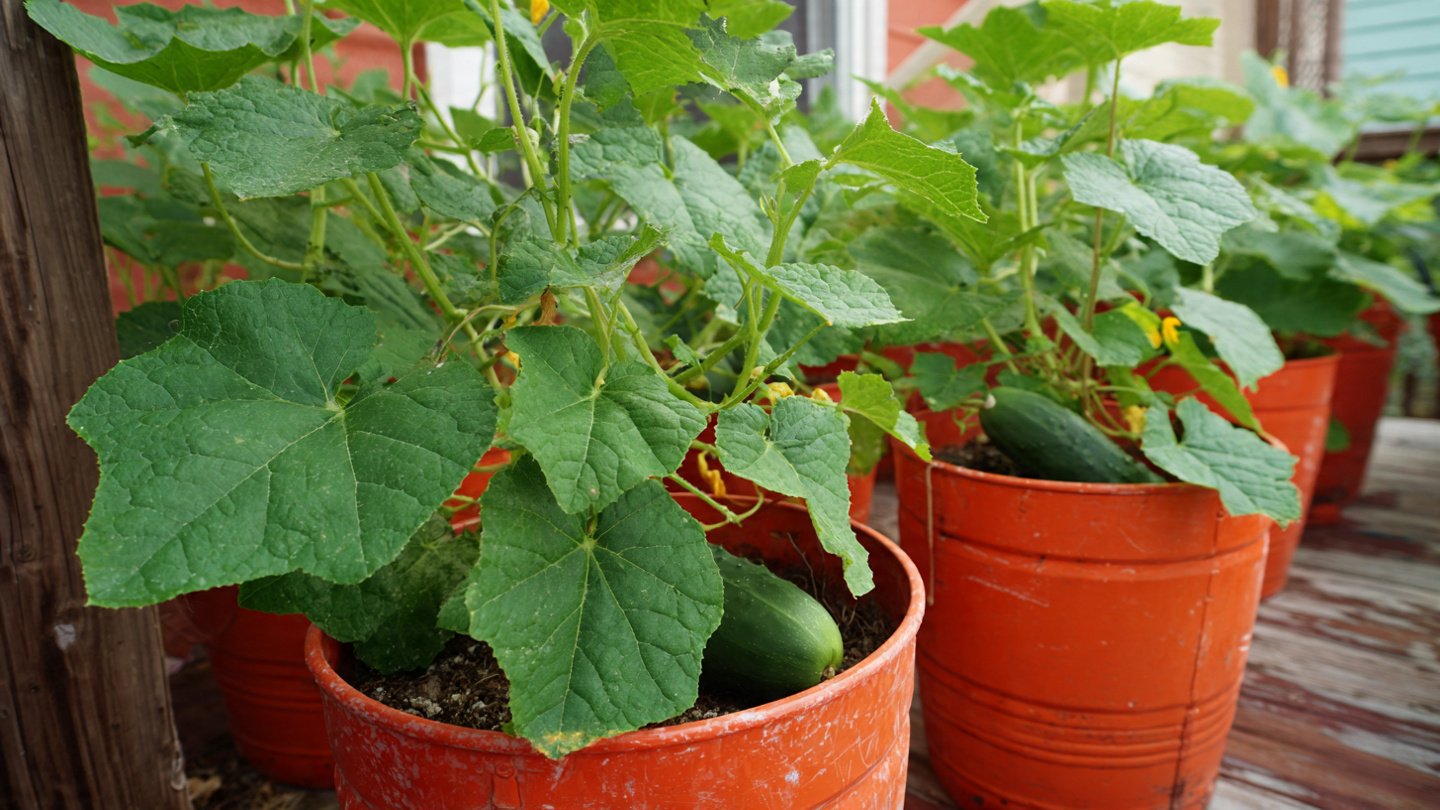
Cucumbers are one of the most popular vegetables worldwide, loved for their crisp texture, refreshing taste, and versatility in salads, sandwiches, and pickles. Traditionally, cucumbers are grown in gardens or farms, but what if you don’t have a garden or outdoor space? The good news is that you don’t need a backyard to enjoy fresh cucumbers. With simple DIY techniques, such as growing cucumbers in plastic cans, you can turn any small balcony, terrace, or indoor space into a thriving veggie paradise. This method is not only convenient but also sustainable, economical, and perfect for urban living.
Why Grow Cucumbers in Plastic Cans?
Growing cucumbers in plastic cans offers several advantages over conventional gardening:
- Space Efficiency: Plastic cans take up minimal space, making them ideal for apartments, terraces, or even windowsills.
- Mobility: Unlike traditional garden plots, container-grown cucumbers can be moved to follow the sun or sheltered during bad weather.
- Cost-Effective: Repurposing plastic cans reduces waste and eliminates the need for expensive pots or gardening equipment.
- Control Over Soil and Water: Growing in cans allows you to control soil quality, drainage, and watering, minimizing pest problems and promoting healthier plants.
- Accessibility: Container gardening is beginner-friendly and does not require extensive experience or specialized knowledge.
Choosing the Right Plastic Can
Not all plastic containers are suitable for growing cucumbers. Here’s what to look for:
- Size Matters: Cucumbers need space for their roots to grow. Choose cans or containers that are at least 12–15 inches deep and wide. Larger varieties like Armenian cucumbers may require even bigger containers.
- Food-Safe Materials: Ensure the plastic cans are food-grade to avoid harmful chemicals leaching into the soil. Avoid cans that previously contained toxic substances.
- Drainage Capability: Proper drainage is essential. If the can doesn’t have holes, you can easily drill 3–4 small holes at the bottom to prevent waterlogging.
Preparing the Container
Before planting, prepare your plastic can to ensure optimal growth conditions:
- Clean Thoroughly: Wash the container with mild soap and water to remove dust, residues, or contaminants.
- Add Drainage: Drill drainage holes at the bottom to allow excess water to escape. Place a layer of small stones or broken terracotta pieces to further improve drainage.
- Use Quality Soil: Cucumbers thrive in well-draining, nutrient-rich soil. Mix garden soil with compost or organic matter in a 2:1 ratio. Adding some perlite or vermiculite improves aeration and water retention.
Choosing the Right Cucumber Variety
For container gardening, select cucumber varieties that are compact, fast-growing, and suitable for pots. Popular choices include:
- Bush or Dwarf Varieties: These are ideal for small spaces. Examples include ‘Bush Champion’ and ‘Spacemaster.’
- Pickling Cucumbers: Smaller cucumbers suitable for pickles, like ‘Boston Pickling,’ grow well in containers.
- Compact Vining Varieties: If you want a climbing cucumber, use a trellis inside or outside the container to save space.
Planting Cucumbers in Plastic Cans
Once your can and soil are ready, it’s time to plant:
- Seeds or Seedlings: You can start cucumbers from seeds or buy young seedlings from nurseries. Seeds are cost-effective, but seedlings give faster results.
- Planting Depth: Sow seeds about ½ inch deep. If using seedlings, plant at the same depth as they were in the nursery pot.
- Spacing: For a single container, plant 2–3 seeds or seedlings. Thin out weaker plants after germination to leave the strongest one or two per can.
- Watering: Keep the soil consistently moist but not waterlogged. Cucumbers need regular watering, especially during hot weather. Avoid wetting leaves directly to prevent fungal diseases.
Providing Support for Vining Varieties
Many cucumbers are climbers, and providing support helps them grow vertically, saving space and improving fruit quality:
- Trellises or Sticks: Insert a small trellis, bamboo stick, or wire mesh into the can for vines to climb.
- Training Vines: Gently wrap the vines around the support as they grow. This ensures better air circulation and reduces disease risk.
- Pruning: Remove excessive leaves or lateral shoots to direct energy toward fruit production.
Sunlight and Temperature Requirements
Cucumbers love sunlight and warmth:
- Sunlight: Place your plastic cans where they get at least 6–8 hours of direct sunlight daily. If grown indoors, use a bright south-facing window or supplement with grow lights.
- Temperature: Cucumbers thrive in warm temperatures between 70–85°F (21–29°C). Avoid cold drafts and sudden temperature drops.
Fertilizing Your Container Cucumbers
Container-grown cucumbers rely on the nutrients in the limited soil, so feeding them is essential:
- Organic Fertilizers: Use compost, worm castings, or well-rotted manure for steady nutrient supply.
- Liquid Fertilizers: Apply liquid fertilizers like fish emulsion or seaweed extract every 2–3 weeks for faster growth.
- Balanced Nutrition: Cucumbers need nitrogen for leaves, phosphorus for roots, and potassium for flowers and fruits. A balanced fertilizer labeled 10-10-10 is ideal.
Watering Tips
Cucumbers need consistent moisture but are prone to root rot if overwatered:
- Check Soil Moisture: Stick your finger 1–2 inches into the soil; water only if it feels dry.
- Water at the Base: Avoid watering leaves directly to prevent fungal infections.
- Mulching: Add a layer of straw or shredded leaves on top of the soil to retain moisture and regulate temperature.
Pest and Disease Management
Even container cucumbers can face pests and diseases. Common issues include aphids, whiteflies, powdery mildew, and cucumber beetles.
- Natural Remedies: Use neem oil, insecticidal soap, or garlic sprays to manage pests.
- Preventive Care: Remove yellowing leaves, ensure good air circulation, and avoid overhead watering.
- Companion Planting: Growing basil or marigolds nearby can help deter pests naturally.
Harvesting Cucumbers
One of the most rewarding aspects of growing cucumbers in cans is the harvest:
- Timing: Cucumbers are ready to harvest 50–70 days after planting, depending on the variety.
- Size: Pick cucumbers when they are firm, green, and the desired size. Overripe cucumbers become bitter.
- Frequency: Regular harvesting encourages continuous production. Check plants every 2–3 days during peak season.
Advantages of Growing Cucumbers in Plastic Cans
Container-grown cucumbers offer several unique benefits:
- Freshness at Your Doorstep: Enjoy crisp cucumbers without trips to the market.
- Sustainability: Reuse plastic cans, reduce food miles, and practice urban gardening.
- Health Benefits: Homegrown cucumbers are free from harmful pesticides and chemicals.
- Aesthetic Appeal: A row of green cucumber plants in colorful plastic cans adds vibrancy to balconies or patios.
- Educational Experience: Growing vegetables in small spaces teaches children and adults valuable gardening skills.
Tips for a Thriving Cucumber Container Garden
- Rotate containers occasionally for even sunlight exposure.
- Keep an eye on weather conditions and bring cans indoors during extreme heat or cold.
- Regularly prune and train vines to prevent overcrowding.
- Use trellis or string support to keep fruits off the soil, reducing rot.
- Combine cucumber plants with other container-friendly vegetables like cherry tomatoes or herbs for a mini-garden experience.
Conclusion
Growing cucumbers in plastic cans is a practical and rewarding way to cultivate fresh vegetables, even without a garden. With the right container, soil, seeds, and care, anyone can transform a balcony, terrace, or indoor space into a thriving veggie paradise. Container gardening not only provides fresh produce but also promotes sustainability, encourages mindfulness, and adds beauty to your living space.
Whether you are an urban dweller with limited space or someone looking to explore DIY gardening, growing cucumbers in plastic cans is a simple, cost-effective, and enjoyable method. With consistent care, adequate sunlight, and proper nutrition, you can enjoy the crisp, refreshing taste of homegrown cucumbers all season long.
Embrace the joy of container gardening, turn your small space into a lush green corner, and experience the satisfaction of harvesting cucumbers grown with your own hands—no garden required!