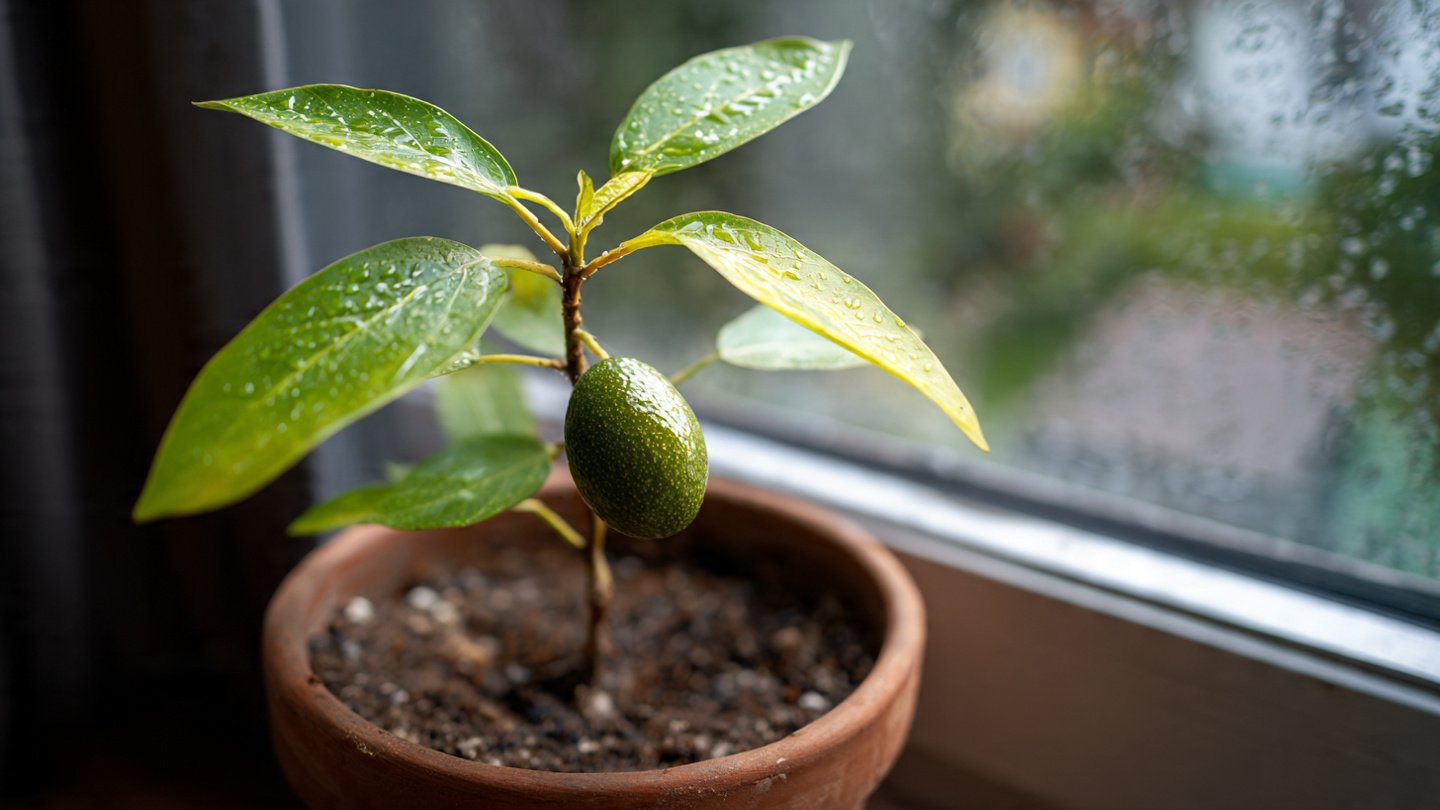
Avocados have skyrocketed in popularity, celebrated for their creamy texture, nutritional benefits, and versatility in dishes ranging from salads to smoothies. But have you ever wondered if you could grow your very own avocado tree right at home from a store-bought fruit? The answer is yes — and it’s easier than you think! With some patience, care, and the right technique, you can turn a simple avocado pit into a thriving tree. This step-by-step guide is perfect for beginners who want to enjoy the satisfaction of homegrown avocados.
Why Grow an Avocado Tree at Home?
Growing an avocado tree from a store-bought fruit offers several benefits:
- Educational and Fun: Watching a seed sprout and grow into a tree is a rewarding process, especially for kids or gardening beginners.
- Cost-Effective: Avocado pits are free if you enjoy store-bought avocados, making it an inexpensive way to start gardening.
- Sustainable Living: Growing your own fruit reduces dependence on packaged produce and promotes sustainability.
- Aesthetic Appeal: Even before producing fruit, avocado trees make attractive indoor plants with lush green leaves.
While it may take a few years for your tree to produce fruit, growing an avocado plant is a journey filled with learning, joy, and greenery.
Step 1: Choosing the Right Avocado
Not all avocados are created equal when it comes to growing a tree. Hass avocados are the most commonly used store-bought variety, but any ripe avocado will work. When selecting your avocado:
- Pick a Healthy Fruit: Choose a fresh, unbruised avocado. The pit should be intact and free from cracks or mold.
- Remove the Pit Carefully: Slice the avocado carefully, avoiding damage to the seed. Wash off all flesh, being gentle to preserve the brown seed coat. Avoid using soap — simply rinse with lukewarm water.
The avocado pit is the foundation of your future tree, so handling it carefully is key.
Step 2: Preparing the Pit for Sprouting
There are two popular methods to sprout an avocado pit: water method and soil method. Beginners often find the water method more visual and easier to manage.
Water Method
- Insert Toothpicks: Insert three or four toothpicks evenly around the middle of the pit. These will allow the pit to balance on the rim of a glass or jar.
- Position in Water: Place the pit over a glass of water with the pointed end facing up and the flat end submerged in water. The flat end will grow roots, and the pointed end will sprout leaves.
- Change Water Regularly: Replace the water every 2–3 days to prevent mold or bacterial growth.
Soil Method
- Plant in Potting Mix: Fill a small pot with rich, well-draining soil. Plant the pit with the top third exposed above the soil.
- Keep Moist: Water lightly to keep the soil consistently moist but not soggy.
- Provide Indirect Light: Place the pot in a bright spot with indirect sunlight.
Both methods work effectively, but the water method allows you to monitor root development, making it easier for beginners to ensure successful sprouting.
Step 3: Waiting for the Seed to Sprout
Patience is critical when growing avocados. Sprouting can take anywhere from 2 to 8 weeks, depending on the freshness of the seed and environmental conditions. Here’s what to expect:
- Roots First: Small white roots emerge from the flat end of the pit. These will grow longer over time and eventually support the plant.
- Stem Emergence: Once roots are established, a stem will sprout from the pointed end.
- Leaf Growth: Tiny green leaves will start to appear at the top of the stem, signaling that your seed is becoming a true plant.
Tips for successful sprouting:
- Keep the water level consistent, ensuring the bottom of the pit is always submerged.
- Place the jar in a warm, sunny spot, but avoid direct harsh sunlight that can scorch the seed.
- Be patient — some seeds take longer to sprout than others, and occasional failures are normal.
Step 4: Transferring to Soil
Once the seed has grown roots about 2–3 inches long and a stem about 6 inches tall, it’s time to transfer it to soil. This stage is crucial for long-term growth.
- Choose a Pot: Select a 10–12 inch pot with drainage holes. Good drainage prevents root rot.
- Prepare Soil: Use a well-draining, nutrient-rich potting mix. A mixture of potting soil, compost, and sand works well.
- Plant Carefully: Dig a small hole and gently place the seed, ensuring the top half remains above the soil. Firm the soil around the seed lightly.
- Water Gently: Give the plant a light watering to settle the soil, but avoid overwatering at this stage.
Step 5: Caring for Your Young Avocado Tree
Proper care ensures your avocado plant grows healthy and strong. Here are the essential care tips:
Sunlight
Avocado plants need bright, indirect sunlight. Indoors, place them near a south-facing window. Outdoors, they thrive in full sun. Rotate the plant occasionally to promote even growth.
Watering
- Keep the soil consistently moist but never waterlogged.
- Water thoroughly when the top inch of soil feels dry.
- Reduce watering slightly in cooler months when growth slows down.
Temperature and Humidity
Avocados love warmth. Maintain temperatures between 60–85°F (16–29°C). Avoid cold drafts or sudden temperature changes. If grown indoors, occasional misting can increase humidity and promote lush foliage.
Pruning
Prune the plant to encourage branching and a bushier structure. Pinch back the tips of young stems once the plant reaches 12 inches. Pruning also directs energy into root and leaf development, ensuring a strong foundation.
Fertilizing
Use a balanced fertilizer rich in nitrogen, potassium, and phosphorus every 2–3 months during the growing season. Avoid over-fertilizing, which can harm young roots.
Step 6: Watching Your Tree Grow
Avocado trees can grow several feet tall indoors and even taller outdoors in warm climates. Here’s what to expect as your tree develops:
- Year 1–2: Slow, steady growth focused on root and leaf development.
- Year 3–4: Larger leaves, branching, and stronger stems. Indoor plants may take longer to mature fully.
- Flowering and Fruiting: Most avocado trees grown from seed may take 5–13 years to produce fruit. While patience is required, the process is rewarding.
Even if fruit production takes time, the plant itself adds beauty and greenery to your space and improves indoor air quality.
Step 7: Optional Tips for Faster Growth and Fruit
While avocado trees grown from seed take longer to bear fruit than grafted nursery plants, you can enhance growth conditions:
- Grafting: For faster fruiting, consider grafting your seedling onto a mature, fruit-producing rootstock.
- Pollination: Outdoors, multiple trees or hand-pollination can improve fruit set.
- Regular Care: Consistent watering, sunlight, pruning, and fertilizing accelerate growth.
Common Challenges and How to Overcome Them
Growing an avocado from seed is simple, but beginners may encounter obstacles. Here’s how to troubleshoot:
- Seed Rotting in Water: Change water frequently and ensure only the bottom of the pit is submerged.
- Slow or No Sprouting: Be patient; some seeds take up to two months. Temperature and seed quality affect sprouting speed.
- Leggy Growth: Insufficient sunlight causes tall, weak stems. Move your plant to a brighter location.
- Yellow Leaves: Overwatering or poor drainage can cause leaf yellowing. Adjust watering and improve soil drainage.
Benefits Beyond Fruit
Even if your avocado tree doesn’t fruit immediately, growing it offers multiple benefits:
- Indoor Air Purification: Avocado plants improve air quality by absorbing carbon dioxide and releasing oxygen.
- Decorative Appeal: Lush green leaves create a tropical aesthetic.
- Educational Value: A living plant teaches patience, responsibility, and basic botany.
Conclusion
Growing an avocado tree from a store-bought fruit is a rewarding and educational project for beginners. By following these steps — selecting a healthy seed, sprouting it in water, transferring to soil, and providing proper care — you can enjoy the beauty and potential bounty of a homegrown avocado tree.
While patience is required, the process is deeply satisfying. From watching the pit crack open to seeing new roots emerge and leaves unfurl, every stage offers a sense of accomplishment. With consistent care, your avocado plant can eventually become a thriving tree that provides shade, beauty, and perhaps even fruit for years to come.
Whether you’re gardening for fun, education, or the hope of homegrown avocados, this guide proves that even beginners can successfully grow an avocado tree from a simple store-bought fruit. Grab that avocado, start sprouting, and watch your green oasis grow!