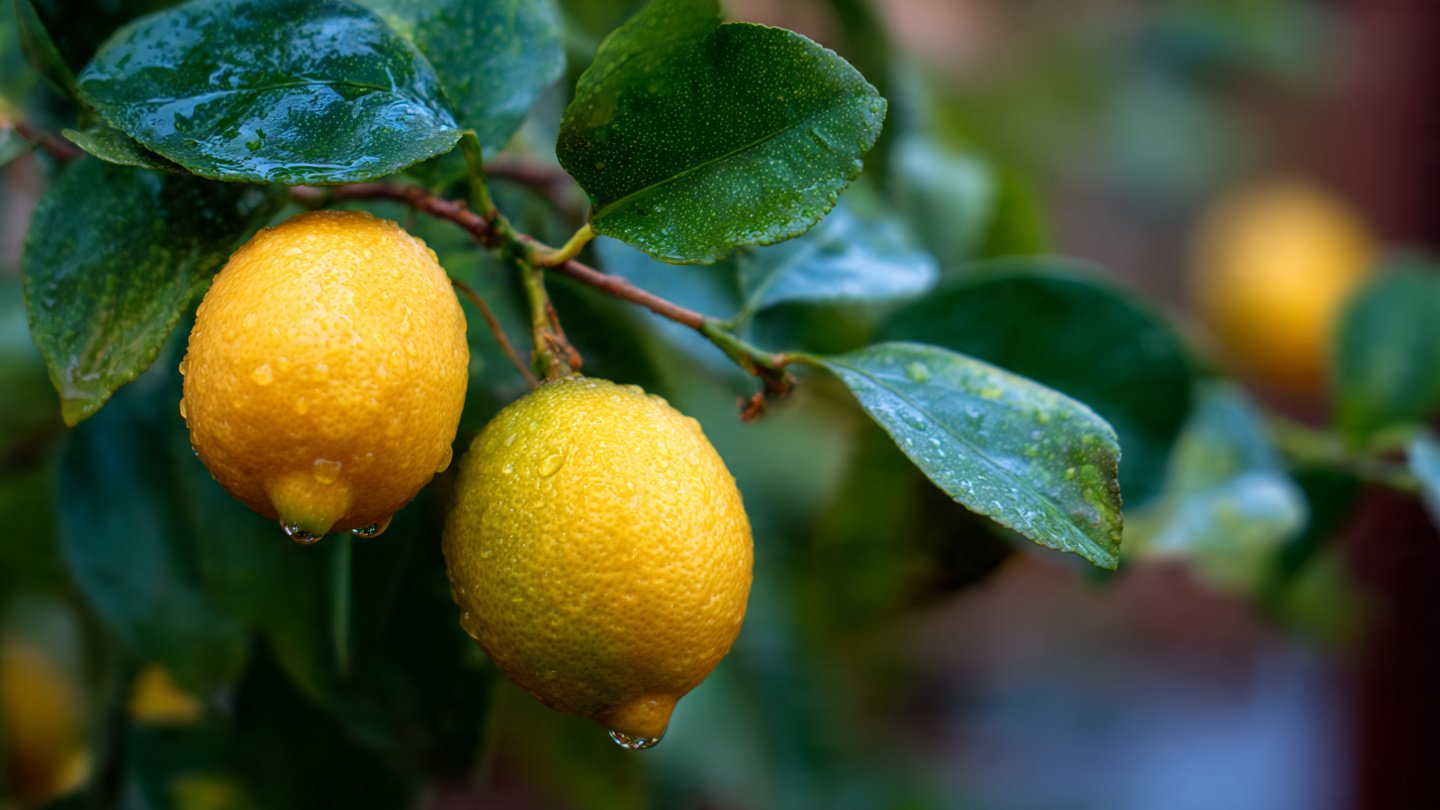
Growing a lemon tree from seeds is one of the most satisfying gardening projects you can try at home. It’s affordable, fun, and surprisingly simple—even for absolute beginners. While it takes patience, the reward of nurturing a tiny seed into a fragrant, fruit-bearing tree is well worth the effort. Whether you want a balcony citrus plant or a backyard lemon tree, this guide walks you through every step with ease.
Let’s dig in 🍋🌱
Why Grow a Lemon Tree from Seeds?
Starting a lemon tree from seeds gives you a deeper connection to the plant’s entire life cycle. Unlike store-bought saplings, seed-grown trees let you witness growth from day one.
Benefits include:
- Low cost (you already have seeds!)
- Fun and educational for beginners
- Great for container gardening
- Produces fragrant blossoms and lush foliage
- A rewarding long-term project
While seed-grown lemon trees may take longer to produce fruit compared to grafted plants, they are hardy, adaptable, and perfect for learning citrus care.
Step 1: Choosing the Right Lemon Seeds
Not all lemon seeds are equal. For best results, always use fresh seeds from an organic lemon. Store-bought lemons treated with chemicals may have seeds that don’t germinate well.
Tips for selecting seeds:
- Choose a fully ripe lemon
- Avoid dried or shriveled seeds
- Use multiple seeds to increase success
- Plant seeds soon after extraction
Freshness is key to strong germination.
Step 2: Preparing Lemon Seeds for Planting
Once you’ve extracted the seeds, proper preparation helps speed up sprouting.
How to prepare lemon seeds:
- Rinse seeds gently to remove pulp
- Peel off the outer white coating (optional but helpful)
- Soak seeds in warm water for 8–12 hours
- Keep seeds moist—never let them dry out
Removing the seed coat encourages faster germination and stronger seedlings.
Step 3: Choosing the Right Soil and Container
Lemon trees thrive in well-draining soil. Poor drainage can quickly lead to root rot, one of the most common beginner mistakes.
Ideal soil mix:
- Lightweight potting soil
- Added sand or perlite for drainage
- Slightly acidic pH (6.0–6.5)
Container tips:
- Use pots with drainage holes
- Start with small containers (4–6 inches)
- Avoid oversized pots early on
Good drainage is more important than pot size at this stage.
Step 4: Planting Lemon Seeds Correctly
Now comes the exciting part—planting!
Planting steps:
- Fill the pot with moist soil
- Plant seeds ½ inch deep
- Cover lightly with soil
- Water gently until damp
- Place in a warm, bright location
To boost humidity, you can loosely cover the pot with plastic wrap (poke small holes for airflow).
Step 5: Germination and Early Care
Lemon seeds typically sprout within 2–4 weeks, though patience is essential.
During germination:
- Keep soil consistently moist
- Avoid overwatering
- Maintain warmth (20–25°C / 68–77°F)
- Place near indirect sunlight
Once seedlings appear, remove any plastic covering and ensure they receive plenty of light.
Step 6: Providing the Right Light
Lemon trees are sun lovers. Without enough light, growth will be weak and leggy.
Light requirements:
- 6–8 hours of sunlight daily
- South-facing window is ideal
- Grow lights help indoors
- Rotate pots weekly for even growth
Healthy leaves are deep green and glossy—your best indicator of good light exposure.
Step 7: Watering Lemon Seedlings Properly
Watering mistakes are the #1 killer of young lemon trees.
Watering rules to follow:
- Water when the top inch of soil feels dry
- Never let roots sit in standing water
- Reduce watering in winter
- Use room-temperature water
Overwatering causes yellow leaves and root rot, while underwatering leads to leaf curl and drop.
Step 8: Feeding Your Lemon Tree
Seedlings don’t need fertilizer immediately, but once they develop several true leaves, feeding becomes important.
Fertilizer tips:
- Start after 2–3 months
- Use citrus-specific fertilizer
- Feed every 4–6 weeks during growing season
- Avoid over-fertilizing
Nitrogen helps leaf growth, while magnesium and iron prevent yellowing.
Step 9: Transplanting as the Tree Grows
As roots outgrow the pot, it’s time to move up.
When to transplant:
- Roots poke out of drainage holes
- Growth slows unexpectedly
- Soil dries out too quickly
Gradually increase pot size to avoid stress. Lemon trees prefer being slightly root-bound rather than drowning in excess soil.
Step 10: Pruning and Shaping
Pruning helps shape your tree and encourages strong branching.
Beginner pruning tips:
- Remove weak or crossing branches
- Trim leggy growth
- Prune lightly in early spring
- Avoid heavy pruning early on
A well-shaped lemon tree grows stronger and supports fruit better later.
Step 11: Indoor vs Outdoor Growing
Lemon trees adapt well to both environments, depending on climate.
Indoor growing:
- Best for cold regions
- Protects from frost
- Requires extra light
Outdoor growing:
- Ideal in warm climates
- Faster growth
- Needs frost protection
In cooler regions, move potted trees indoors during winter.
Step 12: Pest and Disease Prevention
Healthy lemon trees resist most problems, but beginners should watch for common issues.
Common pests:
- Aphids
- Spider mites
- Scale insects
Prevention tips:
- Inspect leaves regularly
- Wipe leaves with neem oil
- Ensure proper air circulation
- Avoid overwatering
Early detection makes pest control easy and chemical-free.
Step 13: When Will Your Lemon Tree Produce Fruit?
This is where patience truly matters.
Timeline expectations:
- Seed-grown trees take 5–7 years to fruit
- Flowers may appear earlier
- Not all seed trees produce identical fruit
- Consistent care speeds maturity
Even without fruit, lemon trees are beautiful, fragrant houseplants worth growing.
Common Beginner Mistakes to Avoid
- Overwatering
- Poor drainage
- Low light exposure
- Over-fertilizing
- Giving up too early
Remember, lemon trees grow slowly but steadily.
Final Thoughts: Is Growing a Lemon Tree from Seeds Worth It?
Absolutely. Growing a lemon tree from seeds isn’t just about harvesting fruit—it’s about the joy of watching life unfold. From sprouting to flowering, every stage teaches patience, care, and connection with nature.
If you’re a beginner looking for a rewarding long-term gardening project, this is it. With simple tools, steady care, and a little love, your lemon seed can grow into a vibrant, fragrant tree that brightens your space for years to come 🍋🌿