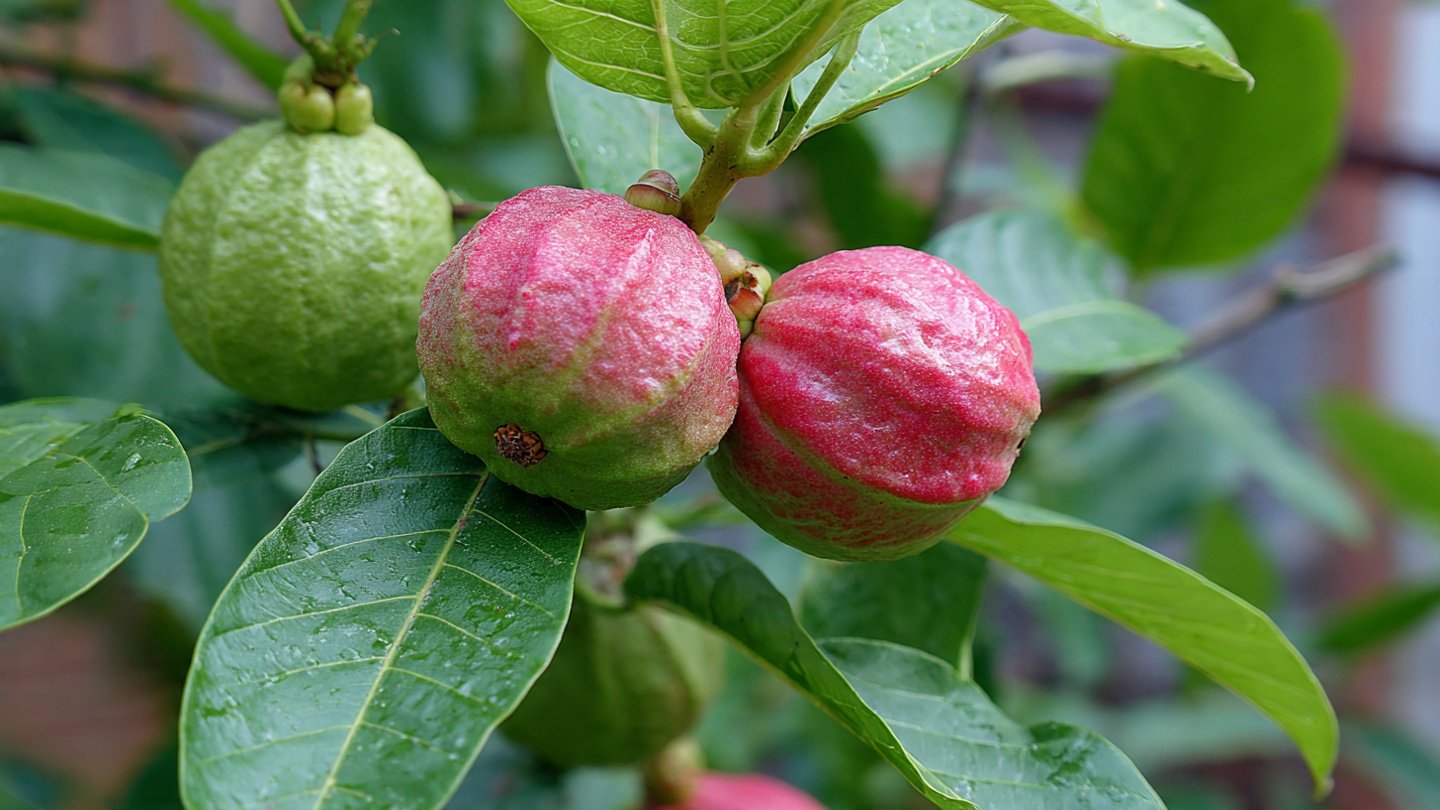
Guava is one of the most rewarding fruit plants you can grow at home. Known for its sweet aroma, rich flavor, and exceptional nutritional value, guava thrives in a wide range of climates and requires relatively simple care. Whether you have a spacious backyard or a sunny terrace, growing a high-quality guava plant is well within reach—even for beginner gardeners.
This step-by-step guide will walk you through everything you need to know, from selecting the right variety to harvesting delicious, homegrown guavas with confidence.
Why Grow Guava at Home?
Guava is often called a “superfruit” because it is packed with vitamin C, antioxidants, fiber, and minerals. Growing guava at home offers several advantages:
- Fresh, chemical-free fruits
- High productivity even in small spaces
- Long fruiting life (10–30 years)
- Low maintenance compared to many fruit trees
- Suitable for containers and ground planting
With proper care, a single guava plant can produce dozens of fruits each season.
Step 1: Choose the Right Guava Variety
Selecting the right variety is the foundation of growing a high-quality guava plant.
Popular Guava Varieties for Home Gardeners
- Apple Guava – Sweet flavor, crisp flesh, ideal for fresh eating
- Thai White Guava – Large fruits, mild sweetness, excellent yield
- Red Flesh Guava – Pink to red pulp, rich aroma, great for juices
- Strawberry Guava – Compact plant, perfect for pots
- Lucknow-49 (Sardar) – Popular in India, high-quality fruit and disease resistance
Choose a variety suited to your climate and available space. Grafted plants are recommended for faster fruiting and better quality.
Step 2: Decide How to Grow Guava (Seed vs Grafting)
Growing from Seeds
- Easy and inexpensive
- Takes 3–5 years to fruit
- Fruit quality may vary
Growing from Grafted or Layered Plants
- Fruits in 1.5–2 years
- Predictable fruit size and taste
- Strong disease resistance
👉 Best choice for home gardeners: Buy a healthy grafted plant from a nursery.
Step 3: Select the Perfect Location
Guava plants love sunlight and warmth.
Ideal Growing Conditions
- Sunlight: 6–8 hours of direct sunlight daily
- Temperature: 20–35°C (68–95°F)
- Air circulation: Good airflow reduces disease risk
Guava can grow in the ground or in large containers, making it ideal for balconies, terraces, and small yards.
Step 4: Prepare the Soil Properly
Healthy soil equals high-quality fruit.
Ideal Soil Mix
- Well-draining loamy soil
- pH range: 5.5–7.0
- Rich in organic matter
Recommended Soil Blend (for pots or planting pits)
- 40% garden soil
- 30% compost or vermicompost
- 20% sand or coco peat
- 10% aged manure
Avoid waterlogged or clay-heavy soil, as guava roots are sensitive to standing water.
Step 5: Planting the Guava Plant
Ground Planting
- Dig a pit 2 ft wide and 2 ft deep
- Fill with prepared soil mix
- Place plant upright, keeping graft union above soil
- Press soil gently and water thoroughly
Container Planting
- Use a pot at least 18–24 inches wide
- Ensure good drainage holes
- Elevate the pot slightly to prevent water stagnation
Mulch around the base to retain moisture and suppress weeds.
Step 6: Watering Schedule for Healthy Growth
Guava prefers consistent moisture, especially during early growth and fruit development.
Watering Guidelines
- Young plants: 2–3 times per week
- Mature plants: Once or twice weekly
- During fruiting: Increase slightly
- Reduce watering during rainy or cold seasons
Overwatering can cause root rot and fruit drop, so always check soil moisture before watering.
Step 7: Fertilizing for High-Quality Fruit
Proper nutrition directly impacts fruit size, sweetness, and yield.
Fertilizer Schedule
- Every 30–40 days: Organic compost or vermicompost
- Flowering stage: Phosphorus-rich fertilizer
- Fruiting stage: Potassium-rich fertilizer
Natural Boosters
- Banana peel compost (potassium)
- Bone meal (phosphorus)
- Seaweed liquid fertilizer
- Cow dung manure (well-rotted)
Avoid excessive nitrogen—it promotes leaves over fruit.
Step 8: Pruning and Training the Plant
Pruning keeps the plant compact, productive, and disease-free.
Pruning Tips
- Remove dead, weak, and crossing branches
- Maintain an open center for airflow
- Prune lightly after harvesting
- Control height at 6–8 feet for easy harvesting
Proper pruning improves fruit quality, sunlight exposure, and yield.
Step 9: Pollination and Flower Care
Guava flowers are mostly self-pollinating, but pollinators improve fruit set.
Encourage Pollination
- Grow flowering plants nearby
- Avoid chemical pesticides during flowering
- Gently shake branches in the morning
Healthy flowers mean better fruit development.
Step 10: Pest and Disease Management
Guava plants are hardy but may face occasional issues.
Common Pests
- Fruit flies
- Mealybugs
- Aphids
- Caterpillars
Organic Solutions
- Neem oil spray every 10–15 days
- Soap water spray for aphids
- Remove affected fruits immediately
Disease Prevention
- Avoid waterlogged soil
- Maintain pruning hygiene
- Use compost teas to boost plant immunity
Healthy plants naturally resist pests better.
Step 11: Flowering and Fruiting Timeline
- Grafted plant: Fruits in 18–24 months
- Flowering seasons: Spring and monsoon (varies by climate)
- Fruit maturity: 3–4 months after flowering
Thin excess fruits if branches become overloaded—this improves size and taste.
Step 12: Harvesting Guava at the Right Time
Signs of Ripeness
- Fruit changes from dark green to light green or yellow
- Pleasant aroma
- Slight softness when pressed
Harvest carefully using hand pruners to avoid damaging branches.
Freshly harvested guava tastes sweeter and has higher nutritional value than store-bought fruit.
Bonus Tips for Extra-Sweet Guava
- Reduce watering slightly 2–3 weeks before harvest
- Ensure full sunlight exposure
- Apply potassium-rich fertilizer during fruit growth
- Avoid heavy nitrogen after flowering
These small adjustments significantly improve flavor and fruit quality.
Conclusion
Growing a high-quality guava plant at home is easier than most people think. With the right variety, proper soil preparation, balanced watering, and thoughtful care, even beginner gardeners can enjoy abundant harvests of delicious guava year after year.
Guava plants reward patience with long-term productivity, nutritional value, and the joy of harvesting fruit straight from your own garden. Whether grown in the ground or in a container, guava is a smart, satisfying choice for home gardeners seeking both beauty and bounty.
Start today, follow these step-by-step techniques, and soon you’ll be enjoying fresh, flavorful guavas grown by your own hands. 🌱🍈