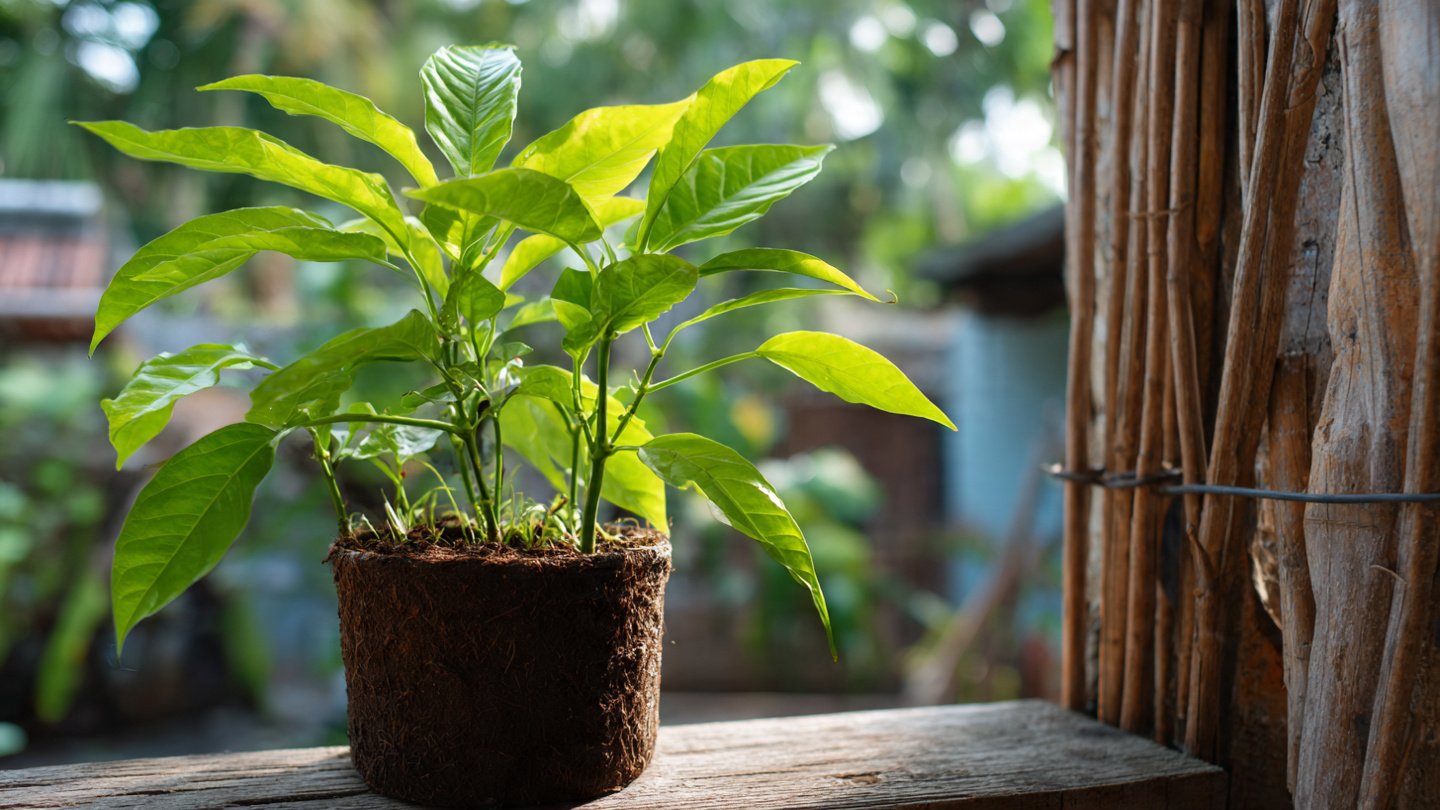
For gardening enthusiasts, discovering clever, eco-friendly ways to grow plants faster and stronger is always exciting. One such method that has been gaining attention is propagating chili plants using banana trees. This unusual yet highly effective technique not only accelerates chili growth but also enriches the soil naturally, creating healthier plants and better yields. In this guide, we’ll explore step by step how to use a banana tree as a growth companion for your chili plants, the science behind it, and practical tips to get maximum results.
Why Use a Banana Tree for Chili Plants?
Banana trees are not just tropical staples; they are natural allies for many other plants due to their unique characteristics:
- Nutrient-Rich Environment: Banana trees produce abundant organic matter, especially from fallen leaves and decomposing stems, which enrich the soil with nitrogen, potassium, and phosphorus. These nutrients are essential for chili plants’ growth and fruiting.
- Moisture Retention: The broad leaves of banana trees provide shade and reduce soil evaporation. This keeps the soil consistently moist, which is ideal for chili plants, as they thrive in slightly humid conditions.
- Natural Pest Protection: Banana trees attract beneficial insects like ladybugs and predatory wasps that help control common pests, indirectly protecting chili plants.
- Support for Growth: In some cases, the sturdy banana pseudostem can act as a physical support for chili plants, especially when they begin flowering and fruiting.
By combining chili plants with banana trees, you create a natural mini-ecosystem where the chili plants can thrive faster and more robustly.
Step 1: Selecting the Right Banana Tree and Chili Variety
Before starting, choose the right plants:
- Banana Tree: Opt for a healthy, mature banana tree that has been regularly watered and fertilized. It should have strong, upright pseudostems and abundant leaves. Avoid trees showing signs of disease or nutrient deficiency.
- Chili Variety: Almost all chili varieties work with this method, but small to medium varieties like Bird’s Eye, Cayenne, or Jalapeño are easier to manage and propagate. For larger varieties, additional support may be necessary.
The key is ensuring both plants are healthy from the start to create a successful growth environment.
Step 2: Preparing the Soil
Chili plants grow best in nutrient-rich, well-draining soil. Using the banana tree as a companion enhances the soil naturally, but a little preparation goes a long way:
- Create a Planting Hole: Dig a hole 15–20 cm wide around the base of the banana tree, keeping a distance of about 50–60 cm from the pseudostem to avoid damaging roots.
- Add Organic Matter: Mix compost, well-rotted manure, and a handful of ash into the soil. This boosts fertility and enhances the chili plant’s root development.
- Mulch the Area: Spread banana leaves, dry grass, or straw around the hole to retain moisture and reduce weed growth. Mulching also provides additional nutrients as it decomposes.
This prepared environment ensures the chili plants get a strong start and benefit from the nutrients released by the banana tree.
Step 3: Propagating Chili Plants
Chili plants can be propagated using seeds, cuttings, or seedlings. For faster growth near banana trees, using seedlings or cuttings is often more effective:
- Seedlings: Select strong seedlings with healthy green leaves and 4–6 true leaves.
- Cuttings: Take a 10–15 cm cutting from a healthy chili plant. Remove the lower leaves and dip the cut end in rooting hormone to enhance root development.
Plant the seedlings or cuttings in the prepared hole near the banana tree. Ensure they are upright, and gently firm the soil around the base.
Step 4: Watering and Maintenance
Chili plants benefit greatly from the microclimate created by banana trees, but proper watering is essential:
- Initial Watering: Water thoroughly after planting to help roots settle. The soil should be moist but not waterlogged.
- Regular Watering: Water every 2–3 days, depending on weather conditions. The banana tree’s shade will help retain soil moisture, so avoid overwatering.
- Fertilization: Apply liquid organic fertilizer every 2–3 weeks. Using banana peel tea (soaking banana peels in water for 24–48 hours) provides potassium and other nutrients beneficial for chili fruiting.
- Mulching: Maintain a 2–3 cm layer of mulch around the chili base to conserve moisture and protect roots from temperature extremes.
This consistent care ensures rapid growth and strong root development.
Step 5: Supporting the Chili Plants
As chili plants grow, they may need support to prevent branches from bending under the weight of flowers and fruits:
- Banana Stem Support: Tie the chili plant gently to the banana pseudostem using soft garden twine. Ensure the tie is loose enough to allow growth.
- Additional Stakes: For larger or bushier chili varieties, add bamboo stakes next to the plant for extra support.
Providing proper support reduces plant stress and prevents fruit damage.
Step 6: Flowering and Fruiting
One of the major advantages of planting chili near banana trees is faster flowering and fruiting:
- Microclimate Benefits: The banana tree’s shade and moisture retention create an optimal environment for flowering.
- Nutrient Boost: Continuous decomposition of banana leaves releases potassium and phosphorus, which are crucial for flower and fruit development.
- Pollination: Encourage pollination by attracting bees and beneficial insects with companion flowers or hand-pollinating if necessary.
With proper care, chili plants near banana trees can flower 1–2 weeks earlier than those grown independently.
Step 7: Harvesting Chili Peppers
Chili peppers are usually ready to harvest 60–90 days after flowering, depending on the variety. Signs of ripeness include:
- Bright, vibrant color (red, yellow, or green depending on variety)
- Firm, glossy skin
- Easy detachment from the stem
Regular harvesting encourages continuous fruit production. Avoid leaving ripe chilies on the plant too long, as this can reduce new flower formation.
Benefits of the Banana-Chili Companion Method
This method offers multiple advantages for home gardeners:
- Faster Growth: Chili plants grow faster due to nutrient-rich soil and the protective microclimate of the banana tree.
- Higher Yields: Healthier plants produce more flowers and fruits over the growing season.
- Reduced Chemical Use: Organic matter from banana trees reduces the need for synthetic fertilizers.
- Space Efficiency: This method works well for small gardens, backyards, or even terrace gardening.
- Eco-Friendly: Using banana leaves and peels recycles organic waste, reducing environmental impact.
Overall, this simple hack combines sustainability with practicality, giving gardeners a clear advantage.
Common Challenges and Solutions
Even with this genius method, you may face some challenges:
- Pests: Aphids, whiteflies, and mites may attack chili plants. Use neem oil or organic sprays to control them.
- Overcrowding: Plant chili seedlings at least 50–60 cm from the banana tree to avoid root competition.
- Banana Tree Stress: Avoid damaging banana roots during planting, as this can affect both plants.
- Leaf Yellowing: May indicate nutrient deficiency. Supplement with compost, banana peel tea, or organic fertilizer.
Most issues are easily managed with attentive care and proper monitoring.
Conclusion
Propagating chili plants using banana trees is a clever, eco-friendly hack that benefits both plants. The banana tree acts as a natural fertilizer, moisture regulator, and support system, accelerating chili growth and improving yields. By following this step-by-step method, you can enjoy faster-growing, healthier chili plants right in your backyard or terrace garden.
This technique not only increases productivity but also encourages sustainable gardening practices, making it perfect for modern home gardeners looking to combine efficiency, creativity, and environmental responsibility.
Next time you think about planting chili, consider giving this banana companion method a try. With a little patience and care, you’ll have lush chili plants producing abundant, spicy fruits in record time—an impressive and rewarding achievement for any home gardener.