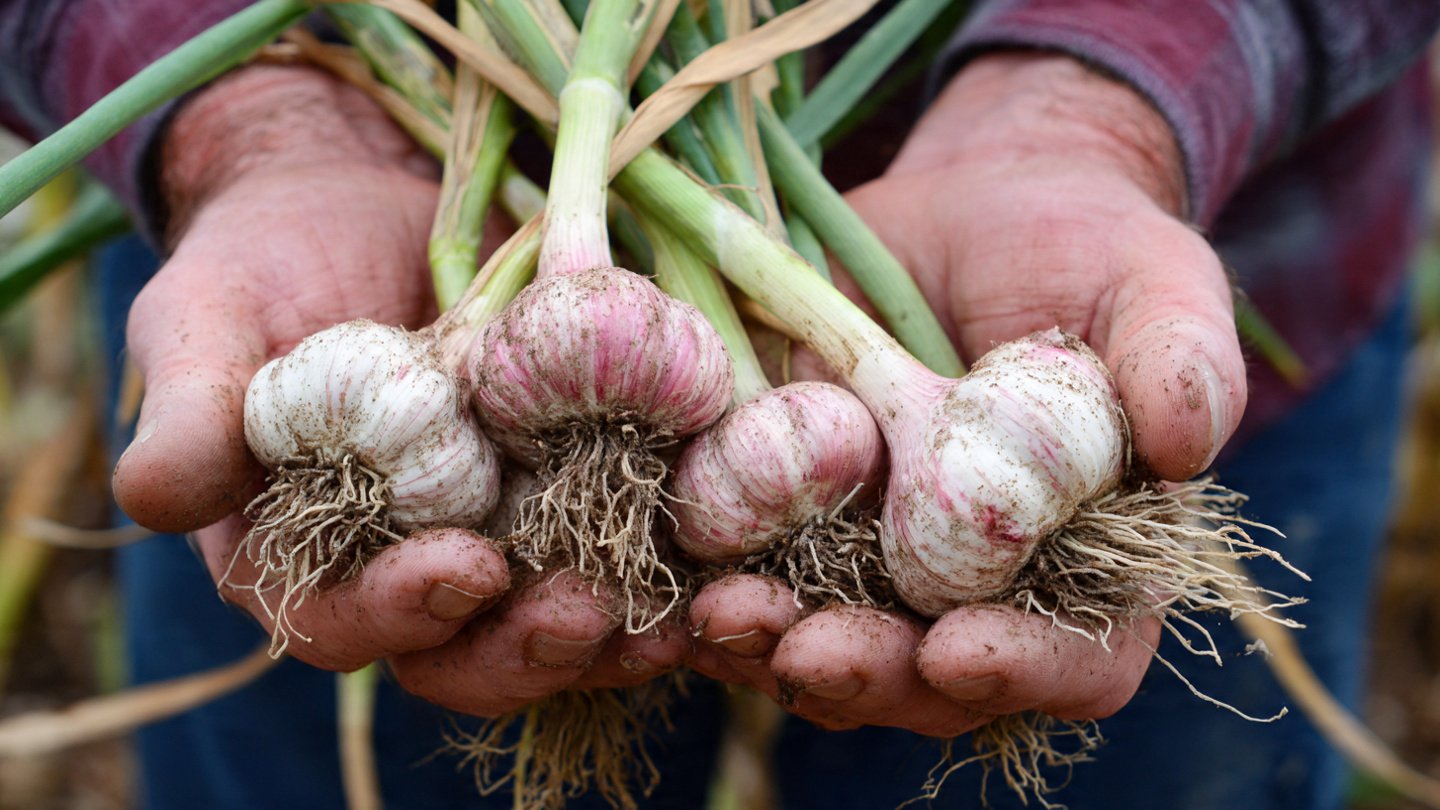
Garlic is a kitchen staple that adds bold flavor, aroma, and nutrition to countless dishes. While it is readily available at grocery stores, nothing compares to homegrown garlic, where the bulbs are fresher, more flavorful, and free from chemicals. Growing garlic at home is easier than many people realize, and with the right techniques, gardeners can harvest large, robust bulbs that are perfect for cooking, preserving, or even gifting. This step-by-step guide will walk you through everything you need to know about growing garlic at home—from selecting varieties to planting, caring, and harvesting for maximum yield and flavor.
Why Grow Garlic at Home?
Growing garlic at home offers several advantages:
- Flavor and Freshness: Homegrown garlic has a more vibrant, complex flavor than store-bought varieties.
- Control Over Quality: You decide how your garlic is grown, avoiding chemical treatments.
- Cost Savings: Growing garlic from a few cloves produces a plentiful harvest year after year.
- Fun and Rewarding: Garlic is relatively low-maintenance, making it an ideal crop for beginner and experienced gardeners alike.
Whether you have a garden bed, raised planter, or even a large container, garlic can thrive with the right care and attention.
Choosing the Right Garlic Variety
Garlic varieties generally fall into two main categories: hardneck and softneck, each with unique characteristics.
Hardneck Garlic
- Produces large cloves and strong flavor.
- Forms a stiff central stem (scape) that can be harvested for culinary use.
- Best suited for cooler climates.
Softneck Garlic
- Produces multiple smaller cloves with milder flavor.
- Flexible stems, ideal for braiding and long-term storage.
- Thrives in warmer climates.
Some popular varieties include:
- Hardneck: Rocambole, Porcelain, Purple Stripe
- Softneck: Silverskin, Artichoke
Choose a variety based on your climate, storage preferences, and flavor preference. For big, bold bulbs, hardneck varieties are often preferred due to their robust growth and taste.
Preparing Garlic for Planting
Homegrown garlic starts from individual cloves, not seeds. Here’s how to prepare them:
- Select Healthy Bulbs: Choose firm, plump bulbs free from mold or damage. Avoid supermarket garlic that has been treated for long storage; organic or seed garlic is best.
- Separate Cloves: Carefully break the bulb into cloves, leaving the papery skins intact. Each clove will grow into a new bulb.
- Choose the Largest Cloves: Larger cloves produce bigger bulbs. Plant these first for maximum yield.
Proper preparation ensures strong growth from the start.
Choosing the Planting Site
Garlic thrives in sunny, well-drained locations. Key considerations include:
- Sunlight: At least 6–8 hours of direct sunlight daily.
- Soil: Loose, fertile soil with good drainage; avoid waterlogged areas.
- Soil pH: Slightly acidic to neutral (6.0–7.0) is ideal.
- Space: Garlic needs room for bulbs to develop without overcrowding.
Raised beds or containers are excellent options for small spaces and provide optimal drainage.
Planting Garlic Step by Step
- Prepare the Soil: Loosen the soil to a depth of 8–10 inches. Incorporate compost or well-rotted manure to enrich the soil.
- Plant Cloves: Place each clove upright (pointy end up) 2 inches deep, 4–6 inches apart. Rows should be spaced about 12 inches apart.
- Water Lightly: After planting, water the soil gently to settle the cloves in place. Avoid overwatering, which can cause rot.
- Mulch: Cover the planting area with a 2–3 inch layer of straw or shredded leaves to retain moisture, suppress weeds, and protect the cloves in colder months.
Timing matters: Plant garlic in the fall, about 4–6 weeks before the first frost. This allows roots to develop before winter while bulbs remain dormant underground. In warmer climates, garlic can also be planted in late winter or early spring.
Caring for Garlic
Proper care during the growing season is crucial for producing big, flavorful bulbs.
Watering
- Keep the soil consistently moist but not waterlogged.
- Reduce watering as the season progresses and leaves begin to yellow, signaling maturity.
Fertilizing
- Apply a balanced fertilizer at planting and mid-season for vigorous growth.
- Avoid excessive nitrogen late in the season, as it may reduce bulb size.
Weed Control
- Garlic does not compete well with weeds; remove them regularly to allow the garlic to access nutrients and water.
- Mulching also helps prevent weed growth.
Scape Management (Hardneck Varieties)
- Hardneck garlic produces a flower stalk (scape) in late spring.
- Cut scapes when they start curling to redirect energy into bulb development.
- Scapes are edible and can be used in cooking.
Pests and Diseases
Although garlic is relatively pest-resistant, some issues may arise:
- Onion Maggots and Thrips: These can damage bulbs and leaves; use row covers and maintain healthy soil to prevent infestations.
- Fungal Diseases (White Rot, Downy Mildew): Avoid overwatering, ensure proper spacing, and rotate crops to prevent disease buildup.
- Rodents: Protect garlic in areas with mice or voles by using wire mesh or netting.
Healthy soil, proper spacing, and crop rotation are key strategies to reduce risks.
Harvesting Garlic
Knowing when to harvest is crucial for flavor, bulb size, and storage potential:
- Timing: Garlic is typically ready in mid to late summer when the lower leaves begin to turn brown, but 5–6 green leaves remain.
- Method: Loosen the soil with a fork or spade and gently lift the bulbs without bruising them.
- Curing: Allow garlic to cure in a cool, dry, well-ventilated area for 2–3 weeks. Leave leaves and roots intact during curing to enhance storage life.
Proper harvesting and curing ensure bulbs remain flavorful and store for months.
Storing Garlic
Once cured, garlic can be stored for months if handled properly:
- Softneck Varieties: Ideal for braiding and hanging in a dry, dark place.
- Hardneck Varieties: Store in mesh bags or paper sacks in a cool, dry location.
- Avoid Refrigeration: Cold, humid conditions can encourage sprouting or mold.
Proper storage ensures that your homegrown garlic remains fresh and aromatic long after harvest.
Tips for Bigger, More Flavorful Bulbs
- Use Large Cloves: Planting the largest cloves produces the biggest bulbs.
- Provide Plenty of Sun: Full sun exposure is essential for bulb development.
- Maintain Consistent Moisture: Avoid stress from drought or overwatering.
- Fertilize Appropriately: Moderate nitrogen and nutrient-rich soil promote strong bulbs.
- Remove Scapes (Hardneck): Redirect energy from flowering to bulb growth.
- Practice Crop Rotation: Avoid planting garlic in the same spot repeatedly to prevent soil-borne diseases.
Following these tips will maximize both yield and flavor.
Culinary Uses of Homegrown Garlic
Homegrown garlic is more aromatic and flavorful than store-bought varieties, making it perfect for:
- Roasting whole bulbs for a sweet, mellow flavor.
- Adding minced garlic to sauces, soups, and marinades.
- Infusing oils for a rich, savory taste.
- Using raw in salad dressings or dips for a pungent, zesty punch.
Having a steady supply of fresh garlic from your garden elevates every dish and allows you to experiment with different culinary applications.
Conclusion
Growing garlic at home is rewarding, practical, and surprisingly simple. By selecting the right variety, preparing cloves properly, planting in fertile, well-draining soil, and providing consistent care, gardeners can produce big, flavorful bulbs that rival or surpass store-bought garlic. Attention to watering, fertilizing, pest control, and timely harvesting ensures healthy plants and long-lasting storage.
Whether you are a seasoned gardener or a beginner looking to add an easy-to-grow herb to your collection, garlic offers a satisfying and delicious return on your effort. With this step-by-step guide, you can confidently grow garlic at home, enjoy year-round access to fresh, aromatic bulbs, and enhance your meals with the unmatched flavor of homegrown garlic.