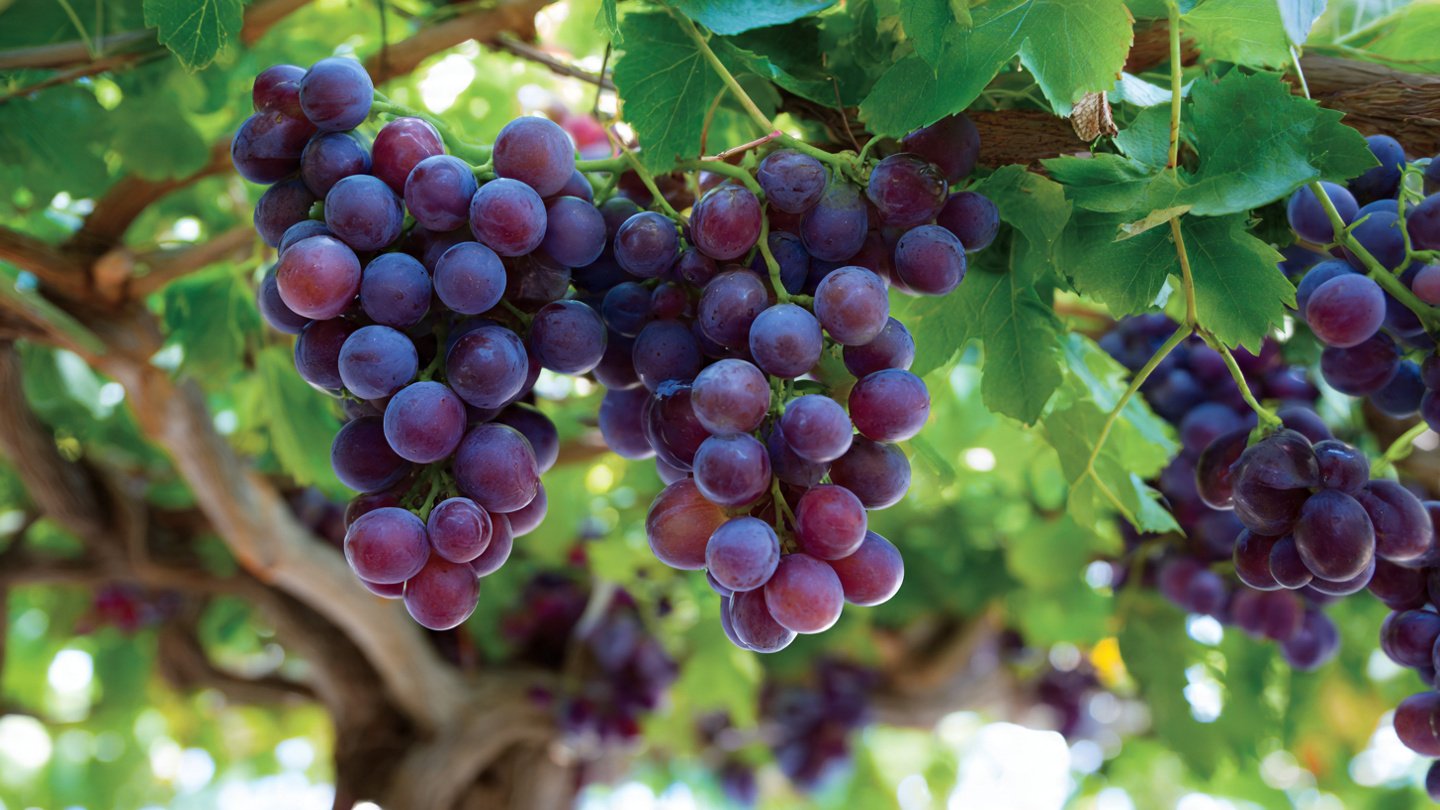
Grapes are among the most rewarding fruits to grow at home. Their sweet, juicy clusters are perfect for snacking, making homemade jams, jellies, wines, or even refreshing juices. Beyond the delicious harvest, grapevines also bring a touch of elegance to gardens, patios, and balconies with their lush foliage and cascading fruit. Whether you’re a seasoned gardener or a beginner, growing grapes at home can be an enjoyable and fruitful experience. This ultimate guide covers everything from selecting varieties to harvesting your very own grapes, ensuring success from vine to table.
Why Grow Grapes at Home?
Homegrown grapes offer several advantages over store-bought fruit:
- Freshness and Flavor: Grapes picked straight from your vine are naturally sweeter and more flavorful than those transported long distances.
- Control Over Chemicals: You can choose organic practices, avoiding synthetic pesticides and fertilizers.
- Decorative Appeal: Grapevines add greenery, shade, and aesthetic beauty to trellises, pergolas, or garden fences.
- Versatile Harvest: Grapes can be eaten fresh, dried into raisins, made into juice, or used in jams and wines.
Growing grapes at home is not just about fruit—it’s a blend of gardening, culinary creativity, and aesthetic enhancement.
Step 1: Choosing the Right Grape Variety
Selecting the right grape variety is critical for home gardening success. Grapes are broadly classified into table grapes, wine grapes, and juice grapes.
- Table Grapes: Sweet, seedless, and ideal for eating fresh. Examples include Thompson Seedless, Flame Seedless, and Red Globe.
- Wine Grapes: More acidic and less sweet, used for making wine. Examples include Cabernet Sauvignon and Chardonnay.
- Juice Grapes: Juicy and flavorful, suitable for homemade juices. Examples include Concord and Niagara.
When choosing a variety, consider your climate, space, and intended use. Some grapes thrive in temperate climates, while others tolerate warmer or cooler conditions. Local nurseries or agricultural extension offices can guide you to varieties suited for your area.
Step 2: Selecting the Ideal Site
Grapevines require careful site selection to thrive. Key considerations include:
- Sunlight: Grapevines need at least 6–8 hours of direct sunlight daily for optimal fruit production.
- Soil: Well-draining, loamy soil is ideal. Grapes tolerate a range of soils but dislike waterlogged conditions.
- Space: Grapes are climbing plants that require support. Allow 6–10 feet between vines for spreading.
- Air Circulation: Good airflow reduces the risk of fungal diseases and keeps vines healthy.
Avoid planting grapes near large trees that may shade the vine or compete for nutrients.
Step 3: Preparing the Soil
Healthy soil is the foundation of productive grapevines. Follow these steps to prepare the planting area:
- Test Soil pH: Grapevines prefer slightly acidic to neutral soil, around pH 5.5–7.0.
- Add Organic Matter: Incorporate compost, aged manure, or leaf mold to improve fertility and soil structure.
- Ensure Drainage: Raised beds or mounded rows can prevent waterlogging.
- Optional Fertilization: A balanced fertilizer with nitrogen, phosphorus, and potassium can boost early growth. Avoid over-fertilizing, which encourages foliage over fruit.
Step 4: Planting Grapevines
Grapevines can be grown from cuttings, nursery-bought plants, or seeds, though seeds are less common due to slow and unpredictable germination.
Planting from Nursery Vines:
- Dig a Hole: About 12–18 inches wide and deep enough to accommodate roots comfortably.
- Place the Vine: Position the vine so the graft union (if present) is just above soil level.
- Backfill Soil: Firm soil gently around the roots, removing air pockets.
- Water Thoroughly: Ensure roots are well-hydrated to support establishment.
Spacing: Space vines 6–10 feet apart in rows, allowing enough room for trellising and airflow.
Step 5: Providing Support
Grapevines are climbers and need support to grow vertically and bear fruit efficiently. You don’t need elaborate structures; simple DIY options work:
- Trellises: Wooden or metal frames supporting vines for vertical growth.
- Pergolas: Provides shade while allowing vines to spread overhead.
- Wires on Fences: Easy, low-cost support for training vines.
Tie young vines gently to supports with soft ties or garden twine, ensuring they don’t get damaged.
Step 6: Watering and Maintenance
Consistent care is vital for healthy grapevines:
- Watering: Grapevines need deep watering during the first year. Established vines tolerate dry conditions but benefit from watering during prolonged dry spells.
- Mulching: Apply organic mulch around the base to retain moisture and suppress weeds.
- Pruning: Annual pruning is essential to manage growth, promote fruiting, and prevent disease. Focus on removing dead or overcrowded canes.
- Fertilizing: Apply fertilizer sparingly; over-fertilizing can reduce fruit production. Compost or organic fertilizers work best.
Step 7: Pest and Disease Management
Grapes are susceptible to pests and diseases if not monitored. Common issues include:
- Powdery Mildew: White powdery coating on leaves; prevent by ensuring airflow and spraying with organic fungicides.
- Downy Mildew: Yellow spots on leaves; prevent with proper spacing and drip irrigation.
- Birds and Squirrels: Use nets to protect ripening grapes.
- Insects: Aphids, leafhoppers, and spider mites can damage vines; organic sprays or neem oil can help.
Regular observation and early intervention are key to keeping vines healthy.
Step 8: Training the Vine
Training grapevines ensures they produce abundant, high-quality fruit:
- Vertical Shoot Positioning (VSP): Train shoots upward along trellises to maximize sunlight exposure.
- Horizontal Training: Spread main canes horizontally along wires to encourage lateral growth and fruiting spurs.
- Removing Suckers: Cut unwanted shoots from the base to direct energy to fruiting canes.
Proper training also simplifies harvesting and reduces disease risk by improving airflow.
Step 9: Flowering and Fruit Set
Grapevines typically flower in late spring to early summer:
- Flowers are small, green, and clustered.
- Successful pollination leads to tiny grape berries that grow over weeks.
- Monitor fruit clusters for overcrowding; thinning excess berries improves size and quality.
Step 10: Harvesting Grapes
Grapes are ready to harvest when they are fully colored, plump, and sweet:
- Color Check: Depends on variety — green, red, purple, or black.
- Taste Test: Sweetness is the most reliable indicator.
- Harvest Carefully: Use scissors or pruners to cut clusters, avoiding damage to the vine.
Most grape varieties take 2–3 years to produce fruit from planting, though patience pays off with abundant, flavorful harvests.
Step 11: Post-Harvest Uses
Homegrown grapes offer versatile culinary options:
- Fresh Eating: Snack straight from the vine.
- Juice and Smoothies: Freshly pressed grape juice is delicious and nutritious.
- Jams and Jellies: Boil grapes with sugar to preserve them.
- Wine Making: Wine grapes can be fermented at home for small-batch wines.
- Freezing: Freeze grapes for later use in desserts or smoothies.
Tips for Success
- Choose Disease-Resistant Varieties: Reduces the need for chemical sprays.
- Monitor Sunlight: Grapes thrive in full sun; insufficient light reduces fruiting.
- Keep Vines Pruned: Annual pruning is essential for long-term productivity.
- Protect from Birds: Nets or row covers prevent fruit loss.
- Rotate Mulch and Fertilizer: Maintain soil health for consistent yields.
Benefits of Growing Grapes at Home
- Health Benefits: Grapes are rich in antioxidants, vitamins C and K, and natural sugars.
- Cost Savings: Avoid expensive supermarket grapes by growing your own.
- Sustainable Gardening: Home-grown produce reduces transport emissions and packaging waste.
- Aesthetic Value: Vines add greenery and natural beauty to outdoor spaces.
- Educational: Grapevines offer an excellent opportunity to learn about plant growth, pollination, and fruiting cycles.
Conclusion
Growing grapes at home is a rewarding endeavor, blending gardening skills with culinary creativity. From selecting the right variety and preparing soil to providing support, pruning, and harvesting, each step contributes to a successful and fruitful harvest. Even small garden spaces or balcony setups can accommodate grapevines with proper planning and support.
With patience, care, and attention, you can enjoy homegrown grapes straight from vine to table — fresh, sweet, and full of flavor. Whether eaten raw, made into juice, or transformed into jams or wine, homegrown grapes provide a satisfying experience that few store-bought fruits can match.
Start your grape-growing journey today, and watch your vines flourish while producing a bountiful harvest for years to come!