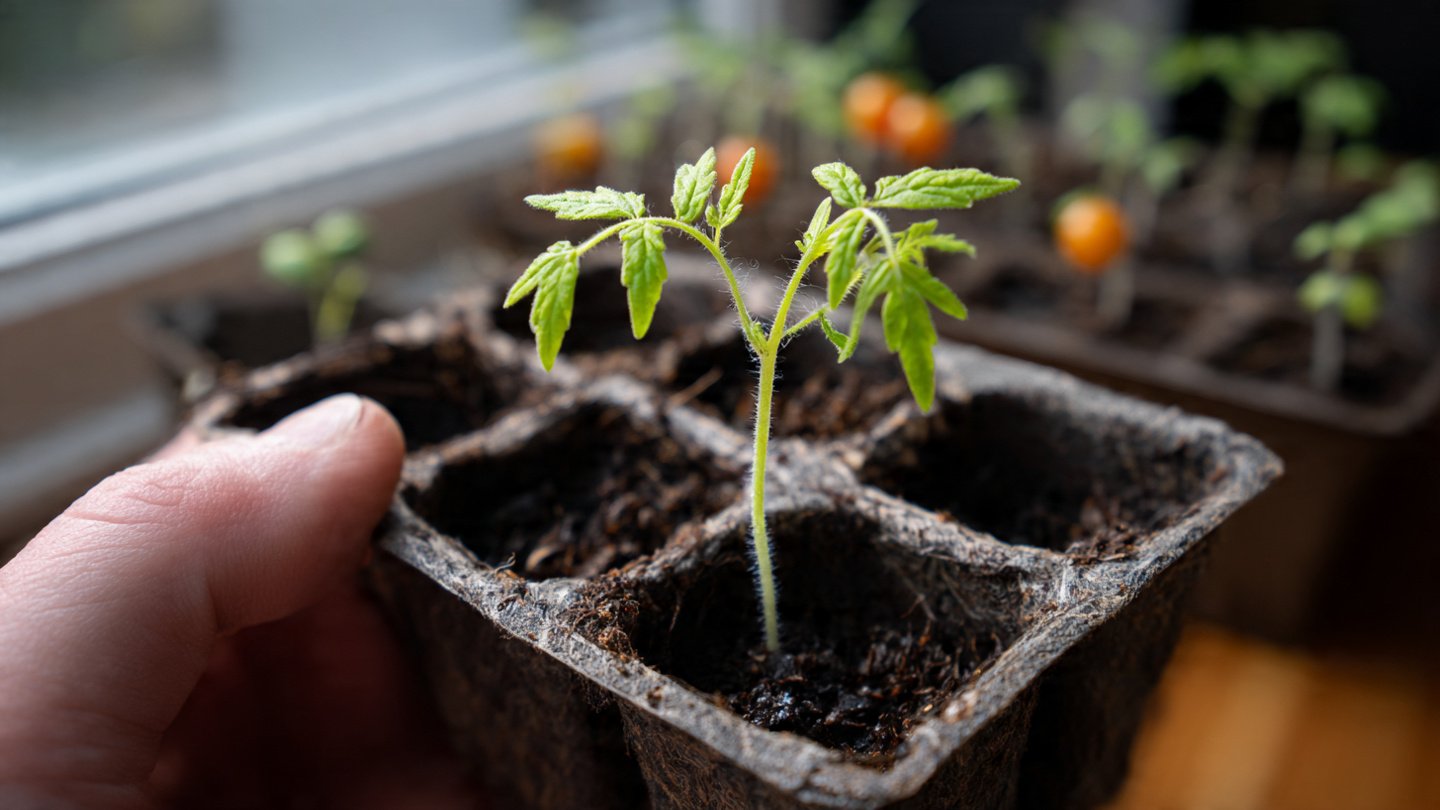
Growing your own tomatoes from seeds can be one of the most rewarding gardening experiences. There’s something magical about watching a tiny seed transform into a thriving plant that eventually produces juicy, sun-ripened tomatoes. While it may seem daunting at first, germinating tomato seeds is a straightforward process that even beginners can master with a little guidance. This guide will take you step by step through everything you need to know, from choosing seeds to nurturing your seedlings into healthy sprouts.
Why Grow Tomatoes From Seeds?
Many gardeners wonder why they should bother starting tomatoes from seeds when seedlings are readily available at nurseries. The answer lies in the control and variety seeds offer. When you grow tomatoes from seeds:
- Variety Choices Are Endless: You can explore heirloom, hybrid, cherry, beefsteak, and other unique varieties that may not be available as seedlings locally.
- Cost-Effective: A single packet of tomato seeds can produce dozens of plants, making it more economical than buying multiple seedlings.
- Stronger Plants: Seedlings you grow yourself are often hardier and better adapted to your local growing conditions.
- Satisfying Experience: Watching a seed develop into a fruit-bearing plant is deeply satisfying and educational.
Selecting the Right Seeds
Your journey begins with choosing the right seeds. Consider the following factors:
- Tomato Type: Decide whether you want determinate (bushy, compact) or indeterminate (vining, continuously producing) varieties.
- Climate Suitability: Some tomatoes thrive in cooler climates, while others need plenty of warmth.
- Disease Resistance: Look for seeds labeled as resistant to common tomato diseases like Fusarium wilt or Verticillium wilt.
- Purpose: Consider whether your tomatoes are for fresh eating, sauces, or canning. Different varieties have different flavors and textures.
Once you have your seeds, store them in a cool, dry place until you’re ready to plant.
Tools and Materials Needed
To successfully germinate tomato seeds, you’ll need a few basic supplies:
- Seed Trays or Small Containers: Ensure they have drainage holes to prevent waterlogging.
- Seed-Starting Mix: A lightweight, well-draining mix specifically formulated for seedlings.
- Labels: To mark the variety and date of planting.
- Watering Can or Spray Bottle: For gentle watering.
- Plastic Cover or Dome: To maintain humidity and warmth.
- Light Source: A sunny windowsill or grow lights for indoor germination.
- Thermometer (Optional): To monitor soil temperature.
These materials will set the foundation for a successful start.
Preparing for Planting
Before sowing seeds, prepare your seed trays and soil. Fill each tray or container with seed-starting mix, leaving about half an inch from the top. Lightly water the soil so it’s evenly moist but not soggy. Overly wet soil can cause seeds to rot, while dry soil prevents germination.
For beginners, it helps to pre-moisten the soil outside of the tray. This ensures the seeds will have consistent moisture from the start.
Planting Tomato Seeds
Tomato seeds are small, delicate, and easy to plant. Follow these simple steps:
- Depth Matters: Plant seeds about ¼ inch deep. A general rule is to plant seeds twice as deep as their size.
- Spacing: If using trays, plant two or three seeds per cell. You can thin them later by snipping weaker seedlings at the base.
- Cover Lightly: Sprinkle a fine layer of seed-starting mix over the seeds.
- Gently Press: Lightly press down the soil to ensure good seed-to-soil contact.
After planting, label each container with the seed variety and the planting date to keep track of germination times.
The Right Environment for Germination
Tomato seeds require warmth, moisture, and light to germinate effectively. Here’s how to create the optimal environment:
Temperature
Tomato seeds germinate best at 70–80°F (21–27°C). You can use a seedling heat mat to maintain consistent warmth, especially in cooler climates.
Moisture
Keep the soil consistently moist using a spray bottle to avoid displacing seeds. Covering the tray with a clear plastic dome or plastic wrap helps maintain humidity, but remove the cover as soon as seedlings emerge to prevent mold growth.
Light
Once seedlings sprout, they need plenty of light to grow strong and healthy. Place trays on a south-facing windowsill or use fluorescent grow lights for 12–16 hours daily. Without enough light, seedlings may become leggy and weak.
Germination Timeline
Patience is key. Most tomato seeds germinate within 5–10 days, though some varieties may take up to 14 days. You’ll notice tiny green sprouts emerging from the soil. At this stage:
- Remove the Cover: Expose seedlings to light and air to encourage strong growth.
- Keep Soil Moist: Continue misting the soil to maintain even moisture.
- Thin Seedlings: Once seedlings have their first set of true leaves, select the strongest plant in each cell and snip the weaker ones.
Caring for Seedlings
After germination, the real nurturing begins. Proper care ensures healthy seedlings ready for transplanting. Focus on:
Light
Seedlings need adequate light to develop strong stems. Rotate trays regularly if sunlight comes from one direction.
Watering
Water gently to avoid washing away soil or damaging delicate roots. Avoid overwatering, which can lead to damping-off disease.
Fertilizing
Once seedlings develop their first true leaves, feed them with a diluted, balanced liquid fertilizer every 1–2 weeks. Avoid over-fertilizing, which can burn tender roots.
Air Circulation
Good air circulation strengthens stems and reduces disease risk. A small fan set on low near your seedlings works wonders.
Hardening Off
Before moving seedlings outdoors, they need to acclimate to natural conditions in a process called hardening off. Start this process about a week before transplanting:
- Gradual Exposure: Place seedlings outdoors in a shaded, sheltered spot for a few hours each day, gradually increasing sunlight and time.
- Monitor Temperature: Protect seedlings from frost or extreme heat.
- Reduce Watering Slightly: This encourages stronger roots to develop.
Hardening off ensures seedlings can handle the stress of outdoor conditions without wilting or shock.
Transplanting Seedlings
Once seedlings are hardened off and the outdoor soil has warmed, it’s time to transplant:
- Prepare the Soil: Choose a sunny location with well-draining soil. Add compost or organic matter to enrich the soil.
- Spacing: Plant seedlings 18–24 inches apart for indeterminate varieties and 12–18 inches for determinate ones.
- Plant Deep: Bury seedlings up to their first set of true leaves. Tomatoes can develop roots along buried stems, which encourages stronger growth.
- Watering: Water immediately after transplanting to settle the soil around roots.
Troubleshooting Common Issues
Even with careful planning, beginners may encounter challenges. Here are solutions to common problems:
- Seeds Not Germinating: Check the seed’s age and viability, soil moisture, and temperature. Old seeds may have low germination rates.
- Leggy Seedlings: Ensure seedlings receive enough light. Move them closer to a light source or supplement with grow lights.
- Damping-Off Disease: Avoid overwatering and improve air circulation. Remove affected seedlings immediately.
- Yellowing Leaves: Usually indicates nutrient deficiency or overwatering. Adjust care accordingly.
Conclusion
Germinating tomato seeds is a satisfying and educational gardening project that can yield delicious results. By choosing quality seeds, providing the right environment, and nurturing seedlings with care, even beginners can successfully grow robust tomato plants. Remember, gardening is as much about patience and observation as it is about following instructions. Each seed you plant is the beginning of a journey from tiny sprout to fruitful harvest. With practice, you’ll gain confidence and enjoy the deep satisfaction that comes from growing your own food from scratch.
Starting tomatoes from seeds may seem like a small step, but it is the first chapter in a larger story of homegrown flavor, sustainability, and gardening joy. Embrace the process, learn from each attempt, and savor the rewards of your labor when the first ripe tomato touches your taste buds.
Word Count: 1,202