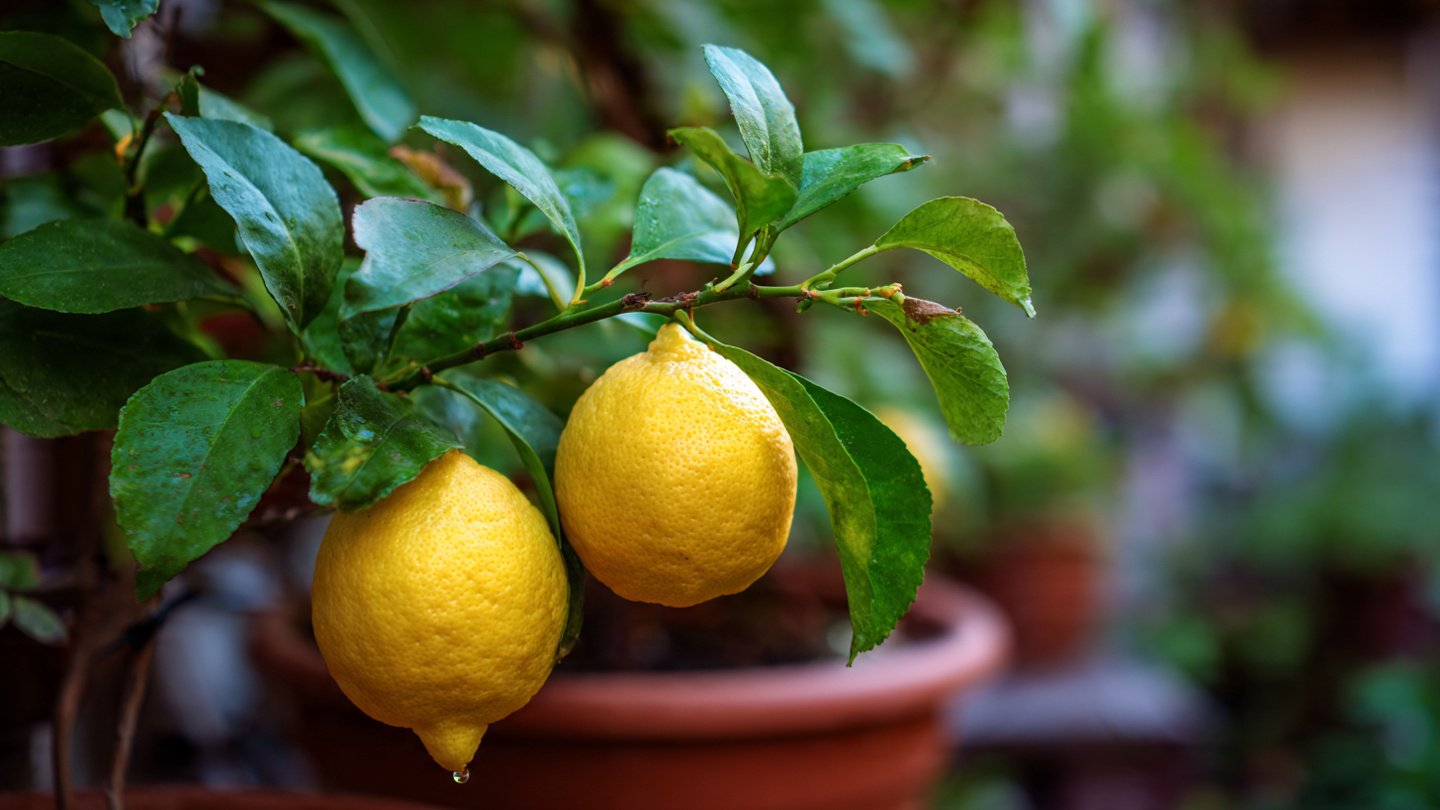
Lemon trees are a staple in many kitchens, providing fresh, zesty fruits that elevate dishes, drinks, and desserts. While buying a lemon tree from a nursery is an option, growing one from a fresh lemon at home is a fun, rewarding, and surprisingly simple project. With patience, proper care, and the right techniques, you can turn a humble kitchen lemon into a thriving tree in your garden or in a pot on your balcony. In this guide, we’ll explore step-by-step methods, tips, and care advice to grow your own lemon tree from scratch.
Why Grow a Lemon Tree From a Lemon
There are several compelling reasons to start your lemon tree from a fresh fruit:
- Cost-Effective: You don’t need to buy expensive seedlings or grafted plants.
- Satisfaction: Watching a tree grow from a seed you planted is highly rewarding.
- Sustainable Gardening: Reusing kitchen waste reduces waste and encourages home gardening.
- Customization: Growing from seed allows you to experiment with container gardening, pruning, and tree shaping.
Although it takes longer to produce fruit than buying a nursery plant, growing a lemon tree from a lemon seed provides invaluable experience and a deeper connection to your food.
Step 1: Selecting the Lemon
The first step is choosing a healthy, ripe lemon:
- Freshness Matters: Use a juicy, organic lemon if possible; avoid processed or preserved lemons.
- Seeds: Lemons contain 8–10 seeds on average. Look for plump, healthy seeds with no signs of damage.
- Variety Choice: Eureka, Lisbon, and Meyer lemons are popular options for home gardeners. Meyer lemons are particularly suited for container growth because of their smaller size and sweet flavor.
A fresh, healthy lemon sets the foundation for a strong, vigorous seedling.
Step 2: Extracting and Preparing Seeds
Once you have your lemon:
- Cut the lemon and carefully remove the seeds.
- Wash the seeds under running water to remove pulp and juice, which can encourage mold or rot.
- Optional: Soak seeds for 24 hours in water to soften the outer coating and improve germination rates.
- Inspect seeds for damage—discard any cracked or shriveled ones.
Properly cleaned seeds have a higher chance of sprouting and developing into healthy seedlings.
Step 3: Germinating Lemon Seeds
Lemon seeds require warmth and moisture to sprout:
- Paper Towel Method:
- Place seeds between damp paper towels.
- Keep the towels moist, not soggy.
- Seal in a plastic bag to maintain humidity.
- Place in a warm spot (70–75°F or 21–24°C).
- Soil Method:
- Plant seeds ½ inch deep in a seed-starting mix or well-draining potting soil.
- Water gently to keep soil moist.
- Cover the pot with plastic wrap or a dome to maintain humidity.
Germination typically takes 2–4 weeks, though some seeds may take up to 6 weeks. Patience is key.
Step 4: Transplanting Seedlings
Once seedlings develop 2–4 true leaves and are about 3–4 inches tall, they’re ready for transplanting:
- Choose a Container: Use a 4–6 inch pot with drainage holes.
- Soil Mix: Use well-draining soil mixed with sand, perlite, or compost to support root development.
- Planting: Gently remove seedlings, keeping the root intact, and plant in soil.
- Watering: Water lightly to settle the soil around the roots.
At this stage, seedlings are delicate, so avoid overwatering and provide filtered sunlight.
Step 5: Caring for Young Lemon Trees
Young lemon seedlings require consistent care to grow into healthy trees:
- Sunlight: Provide 6–8 hours of bright, indirect sunlight daily. Direct sunlight may scorch tender leaves.
- Watering: Keep soil consistently moist but not waterlogged. Overwatering can cause root rot.
- Fertilizing: After 6–8 weeks, feed seedlings with a diluted balanced fertilizer (NPK 10:10:10) every 2–3 weeks.
- Temperature: Lemon seedlings thrive in warm environments (65–75°F or 18–24°C). Avoid drafts and sudden temperature changes.
Consistency in light, water, and nutrients is crucial for strong root and leaf development.
Step 6: Pruning and Shaping the Tree
Even at a young stage, pruning helps shape your lemon tree:
- Pinching Tips: Pinch the top of seedlings to encourage branching and bushier growth.
- Remove Weak Shoots: Trim spindly or damaged stems to focus energy on strong branches.
- Training for Shape: If growing in a container, guide branches outward to create a rounded canopy.
Proper pruning early on lays the foundation for a healthy, fruit-bearing tree in the future.
Step 7: Transplanting to Larger Pots or Garden
As your lemon tree grows:
- Larger Pots: Move the tree to a 12–16 inch container to allow root expansion.
- Garden Planting: Choose a sunny, sheltered location with well-draining soil.
- Spacing: Keep 6–10 feet between trees if planting multiple lemon trees outdoors.
Transplant carefully to minimize root shock and water immediately after planting.
Step 8: Ongoing Care for a Healthy Lemon Tree
A mature lemon tree requires consistent care to thrive and produce fruit:
- Sunlight: Full sun for at least 8 hours a day.
- Watering: Deep, infrequent watering encourages strong roots. Avoid letting soil dry out completely.
- Fertilization: Use a citrus-specific fertilizer with micronutrients like magnesium and iron. Feed every 6–8 weeks during growing season.
- Mulching: Apply organic mulch to retain moisture, suppress weeds, and enrich soil.
Attention to these details ensures vigorous growth and abundant fruit production.
Step 9: Encouraging Flowering and Fruiting
Growing from seed means patience—lemon trees may take 3–5 years to bear fruit. To encourage flowering:
- Adequate Sunlight: Full sun is essential for flower initiation.
- Balanced Nutrition: Fertilizer high in phosphorus encourages blooms.
- Pruning: Remove old or crowded branches to allow light to reach inner parts of the tree.
- Hand Pollination: For indoor trees, gently transfer pollen using a soft brush to increase fruit set.
With care, your tree will reward you with fragrant flowers and juicy lemons.
Common Challenges and Solutions
- Slow Germination: Some seeds may take 6–8 weeks; maintain warmth and moisture consistently.
- Yellow Leaves: Often caused by overwatering or nutrient deficiency; adjust watering and feed with citrus fertilizer.
- Pests: Watch for aphids, spider mites, and scale; treat with neem oil or insecticidal soap.
- Root Rot: Avoid waterlogged soil and use well-draining containers.
Awareness and proactive care prevent common setbacks and ensure your lemon tree thrives.
Tips for Success
- Use Organic Lemons: Seeds from untreated fruits are more likely to germinate.
- Label Seedlings: Helps track variety and growth progress.
- Be Patient: Seed-grown lemon trees take longer to fruit than nursery plants.
- Rotate Indoor Trees: Ensure even light exposure for balanced growth.
- Protect from Cold: Indoor or container-grown trees can be moved indoors during frost.
Following these tips increases your chances of growing a healthy, productive lemon tree.
Benefits of Growing a Lemon Tree at Home
- Fresh Produce: Enjoy organic lemons straight from your tree.
- Cost Savings: Reduce the need to buy lemons from stores.
- Air Purification: Lemon trees improve indoor air quality.
- Aesthetic Appeal: Adds greenery, fragrance, and visual interest to your garden or home.
- Educational Experience: Learn about plant growth, pollination, and fruit production.
Growing a lemon tree from seed is a rewarding project that combines beauty, utility, and sustainability.
Conclusion
From a simple kitchen lemon to a thriving garden tree, growing a lemon tree from seed is a fulfilling experience that combines patience, care, and observation. By selecting a healthy fruit, preparing seeds properly, germinating seedlings, and providing consistent care—including watering, fertilization, pruning, and sunlight—you can cultivate a lush lemon tree that not only beautifies your home but also provides fresh, aromatic fruits for years to come.
Whether planted in a container or a garden bed, a homegrown lemon tree brings joy, flavor, and a sense of accomplishment. With attention to detail, regular care, and a little patience, your kitchen lemon can become a flourishing symbol of growth, sustainability, and culinary delight.