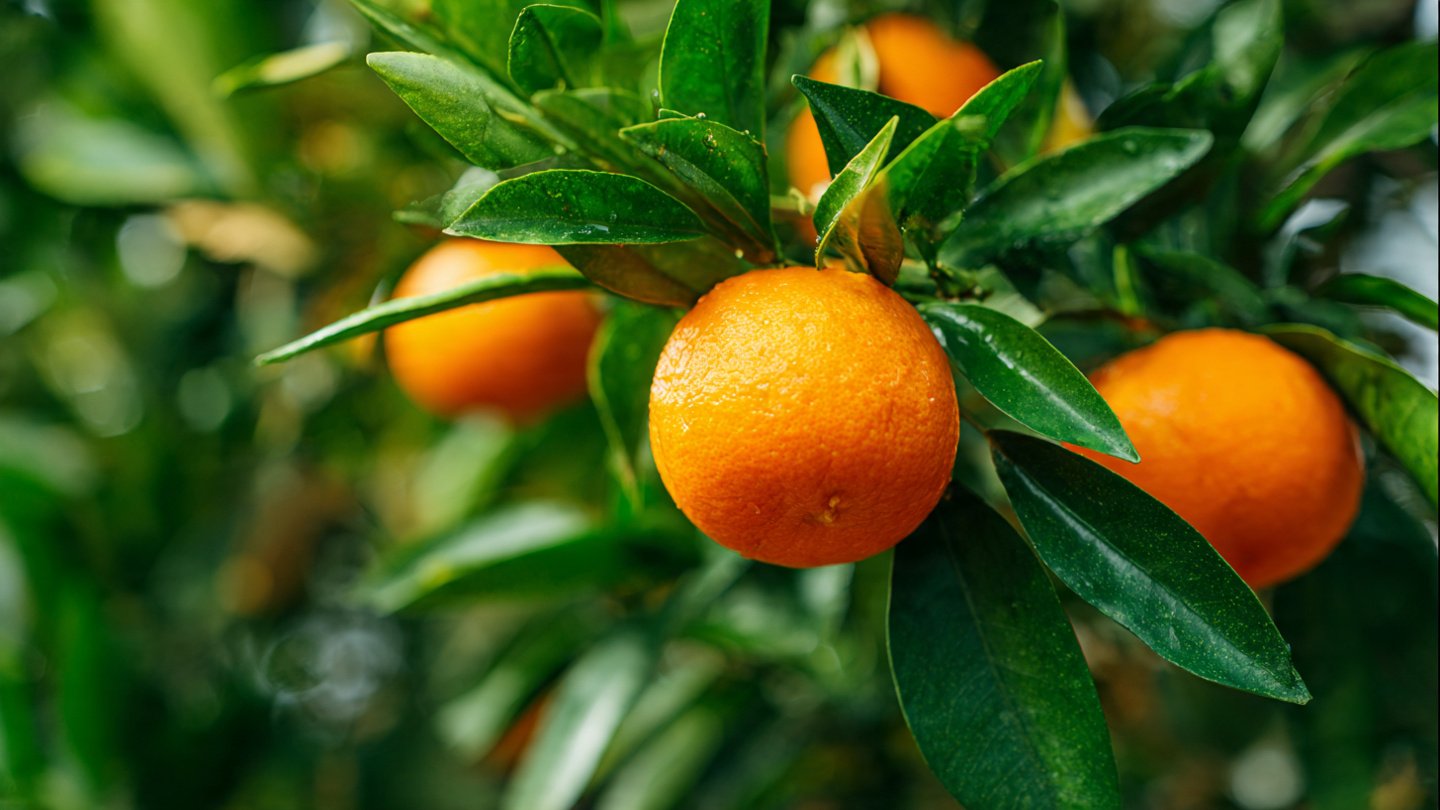
Growing an orange tree from a fresh orange is a slow but deeply rewarding gardening project. While it takes patience, the journey from seed to sapling—and eventually to a fruit-bearing tree—connects you directly to nature in a way store-bought plants never can. Whether you’re gardening in a backyard, on a balcony, or indoors near a sunny window, this complete guide will walk you through every step of turning an orange seed into a healthy, thriving tree.
Can You Really Grow an Orange Tree from a Fresh Orange?
Yes, you absolutely can. Orange trees grow readily from seed, especially when the seeds come from fresh, untreated fruit. However, it’s important to understand expectations early on. Orange trees grown from seed may not produce fruit identical to the parent orange, and they take longer to bear fruit—often 5 to 10 years. That said, seed-grown trees are usually strong, resilient, and beautiful ornamental plants even before they fruit.
If your goal is learning, enjoyment, and long-term gardening success, growing an orange tree from seed is well worth the effort.
Choosing the Right Orange for Seeds
Not all oranges are ideal for seed growing. For best results:
- Choose fresh, organic oranges whenever possible
- Avoid seedless varieties, as they won’t germinate
- Look for plump, mature seeds inside fully ripe fruit
Common varieties like Valencia, Navel, or Mandarin oranges work well. Organic fruit is preferred because seeds from treated fruit may have lower germination rates.
Preparing Orange Seeds for Planting
Proper seed preparation increases your chances of success.
- Remove seeds carefully from the fruit without damaging them.
- Rinse seeds thoroughly to remove pulp and sugars, which can encourage mold.
- Gently peel off the outer seed coat (optional but helpful). This can speed up germination.
- Do not let the seeds dry out completely—orange seeds germinate best when fresh.
Once cleaned, plant the seeds as soon as possible.
The Best Soil and Containers for Orange Seeds
Orange trees prefer loose, well-draining soil that retains some moisture without becoming soggy.
Ideal soil mix includes:
- High-quality potting mix
- Perlite or sand for drainage
- A small amount of compost for nutrients
Choose containers that are 4–6 inches deep with drainage holes. Shallow containers can restrict root growth early on and slow development.
How to Plant Orange Seeds Step by Step
Planting orange seeds is simple, but attention to detail matters.
- Fill the pot with moist soil mix.
- Plant seeds about ½ to 1 inch deep.
- Cover lightly with soil and gently firm it down.
- Water thoroughly but avoid waterlogging.
Place the container in a warm location with bright, indirect sunlight. Ideal temperatures range between 70–85°F (21–29°C).
Germination: What to Expect and When
Orange seeds usually germinate within 2–6 weeks, though some may take longer. During this time:
- Keep soil consistently moist, not wet
- Maintain warmth and humidity
- Avoid direct, harsh sunlight
You may notice more than one sprout from a single seed—this is normal due to polyembryony, a trait common in citrus. Select the strongest sprout and remove weaker ones to focus energy.
Light Requirements for Young Orange Trees
Once seedlings emerge, light becomes critical. Orange trees thrive in full sun.
- Provide 6–8 hours of bright light daily
- A sunny south-facing window works well indoors
- Grow lights can supplement natural light if needed
Insufficient light leads to weak, leggy growth and slow development.
Watering Young Orange Trees Properly
Watering mistakes are one of the most common problems when growing citrus from seed.
- Water when the top inch of soil feels dry
- Ensure excess water drains freely
- Never let roots sit in standing water
Overwatering can cause root rot, while underwatering slows growth and stresses the plant. Consistent, moderate moisture is key.
Feeding and Fertilizing for Healthy Growth
Orange trees are moderate feeders, especially once they begin active growth.
- Begin fertilizing when seedlings are 6–8 inches tall
- Use a balanced citrus or general-purpose fertilizer
- Feed every 4–6 weeks during the growing season
Avoid overfertilizing young plants, as excess nutrients can burn roots and stunt growth.
Transplanting and Potting Up
As your orange tree grows, it will need more space.
Signs it’s time to repot include:
- Roots growing out of drainage holes
- Slowed growth despite proper care
- Soil drying out very quickly
Move the plant to a container 2–3 inches larger each time. Gradual pot increases prevent shock and encourage strong root systems.
Pruning and Shaping Your Orange Tree
Young orange trees don’t require heavy pruning, but light shaping helps create a strong structure.
- Remove weak or crossing branches
- Pinch growing tips to encourage bushier growth
- Prune sparingly during the growing season
Good airflow and balanced growth reduce disease risk and improve long-term health.
Common Problems and How to Fix Them
Even healthy orange trees can face challenges.
Yellow leaves: Often caused by overwatering, poor drainage, or nutrient deficiency.
Leaf drop: Can result from sudden temperature changes or inconsistent watering.
Slow growth: Usually linked to low light or lack of nutrients.
Most problems are easily corrected once identified early.
Growing Orange Trees Indoors vs Outdoors
Orange trees can grow successfully both indoors and outdoors, depending on climate.
- Indoors: Ideal for colder regions; use pots and ensure bright light
- Outdoors: Best in warm, frost-free climates with full sun
If grown outdoors, protect young trees from frost and strong winds.
When Will Your Orange Tree Produce Fruit?
Patience is essential. Seed-grown orange trees typically take 5–10 years to produce fruit. Flowering usually begins once the tree is mature and well-established.
To encourage fruiting:
- Provide plenty of sunlight
- Maintain consistent care
- Avoid excessive pruning
Even before fruiting, the glossy leaves and fragrant blossoms make the tree worthwhile.
Final Thoughts: A Long-Term but Rewarding Journey
Growing an orange tree from a fresh orange is a lesson in patience, care, and the slow magic of nature. While it may take years to enjoy your own homegrown oranges, the process itself is deeply satisfying. From the moment a tiny green shoot emerges to the day your tree flowers and fruits, you’ll have grown something truly special—starting with nothing more than a simple orange.
With the right care, sunlight, and time, your orange seed can become a living, thriving tree that rewards you for years to come. 🍊🌱