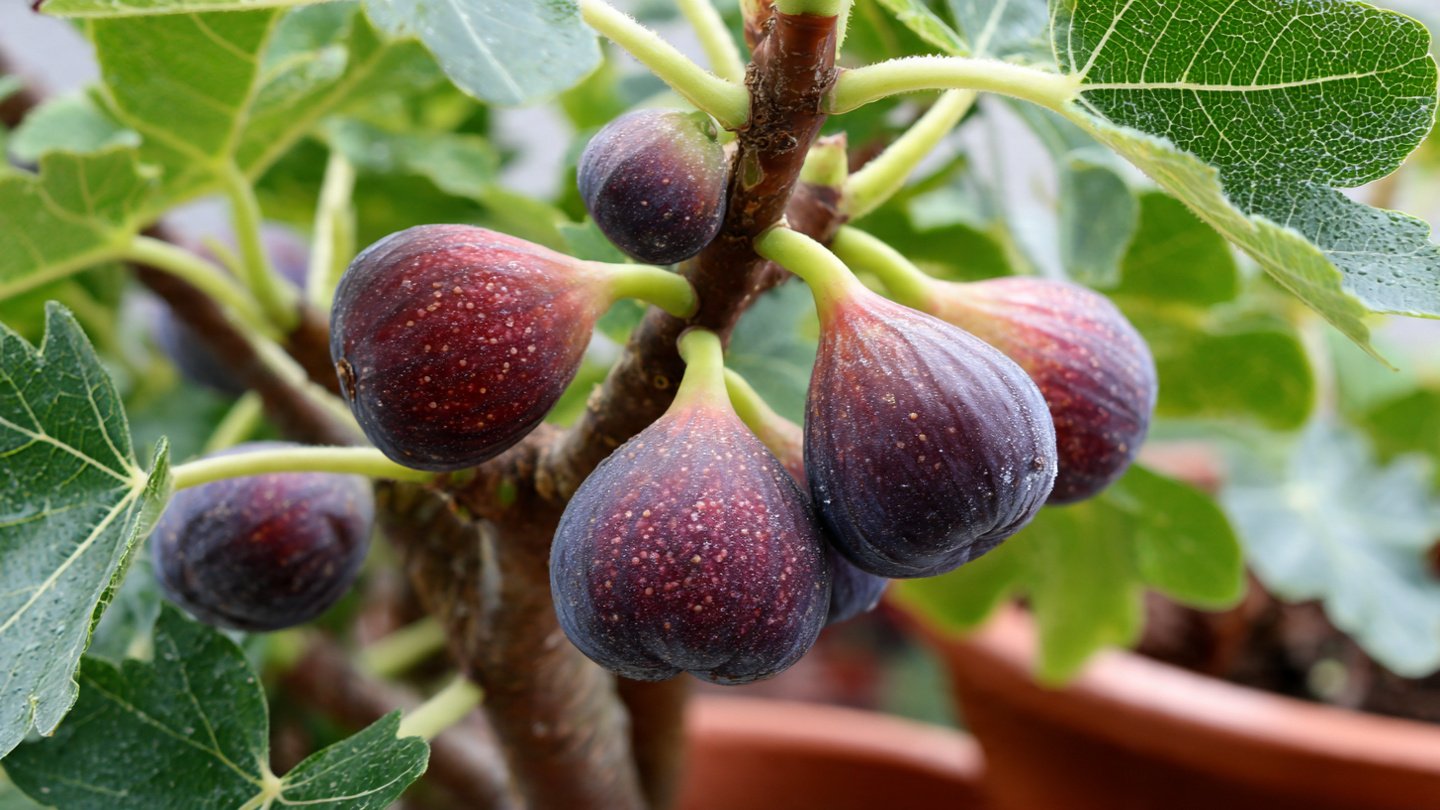
Figs are one of the most rewarding fruit trees to grow, prized for their sweet, honeyed flavor and versatility in both fresh and cooked dishes. Traditionally, figs are associated with warm climates and sprawling orchards, but did you know you can grow them successfully in containers virtually anywhere? With careful planning, the right container, proper soil, and attentive care, you can enjoy fresh figs even if you live in a small urban apartment or a cooler climate. Container cultivation not only makes fig trees accessible to gardeners with limited space, but it also allows you to control soil conditions, temperature, and mobility. Here’s a comprehensive guide to growing figs in containers successfully, regardless of your location.
Why Grow Figs in Containers?
Growing figs in containers has several advantages:
- Mobility: Container figs can be moved indoors during harsh winters or extreme heat, protecting them from temperature extremes.
- Space Efficiency: Ideal for balconies, patios, decks, or small yards where in-ground planting is not an option.
- Soil Control: You can provide optimal soil conditions, ensuring the tree receives proper drainage, nutrients, and pH balance.
- Pest Management: Container growth reduces exposure to certain pests and soil-borne diseases common in garden beds.
- Aesthetic Appeal: Fig trees in decorative containers can be a beautiful living centerpiece for outdoor and indoor spaces.
With these benefits, container-grown figs are perfect for gardeners seeking fresh, homegrown fruit without the need for a full backyard orchard.
Step 1: Choosing the Right Fig Variety
Not all fig trees are suited to container growing. Some varieties remain compact and produce abundant fruit, making them ideal for pots. When selecting a fig for container cultivation, consider:
- Dwarf or Compact Varieties: Examples include ‘Petite Negra,’ ‘Little Miss Figgy,’ and ‘Brown Turkey’ (which can be pruned to remain compact).
- Cold-Hardy Varieties: If you live in cooler climates, choose varieties that tolerate frost, such as ‘Chicago Hardy’ or ‘Desert King.’
- Self-Fertile Varieties: Most figs do not require pollination, but some varieties produce more consistent fruit without a partner tree.
Consult local nurseries or online specialty growers to find varieties recommended for your climate and container use.
Step 2: Choosing the Right Container
Container size and type are crucial for fig health and productivity. A poorly chosen container can restrict root growth, leading to stunted trees and low fruit yields. Consider the following:
- Size: Start with a container at least 15–20 inches in diameter and depth for young trees. For mature trees, a container 24–36 inches wide is ideal.
- Material: Terracotta, ceramic, or plastic pots are all suitable. Terracotta is porous, providing good airflow but drying out faster, while plastic retains moisture longer.
- Drainage: Ensure the container has multiple drainage holes to prevent waterlogging, which can cause root rot.
Experts recommend starting with a slightly smaller container for young trees and upgrading to a larger pot as the tree grows.
Step 3: Preparing the Perfect Soil Mix
Figs thrive in well-draining, nutrient-rich soil. A poor soil mix can lead to root rot, nutrient deficiencies, or stunted growth.
- Recommended Mix: Combine 2 parts high-quality potting soil, 1 part perlite or coarse sand, and 1 part compost. This mixture ensures excellent drainage while providing nutrients for healthy growth.
- pH Consideration: Figs prefer slightly acidic to neutral soil (pH 6.0–7.0). You can test your soil with a simple kit and adjust using lime (to raise pH) or sulfur (to lower pH) if necessary.
- Avoid Heavy Garden Soil: In containers, dense soil retains too much water and can suffocate roots.
Proper soil preparation is key to producing a healthy tree with a reliable fruiting cycle.
Step 4: Planting Your Fig Tree
Planting a fig tree in a container is simple but requires attention to detail:
- Fill the Container: Add a layer of gravel or broken pots at the bottom to improve drainage. Then fill halfway with your soil mix.
- Plant the Tree: Place the fig tree in the container, spreading the roots gently. Ensure the crown is just above soil level.
- Backfill and Water: Fill around the roots with soil mix, firming lightly. Water thoroughly to settle the soil and eliminate air pockets.
Planting at the correct depth and ensuring good root contact with the soil encourages strong early growth.
Step 5: Sunlight and Placement
Figs are sun-loving plants, needing plenty of light to produce sweet, abundant fruit.
- Outdoor Placement: Provide at least 6–8 hours of direct sunlight daily. South- or west-facing balconies or patios are ideal.
- Indoor Placement: If growing indoors, place the tree near a bright, south-facing window or supplement with grow lights.
- Seasonal Mobility: In colder regions, bring container figs indoors before the first frost. Place near a sunny window or in a greenhouse.
Proper sunlight exposure is crucial for flowering and fruiting success.
Step 6: Watering and Fertilization
Figs need consistent care, but container trees require special attention:
- Watering: Water deeply whenever the top inch of soil feels dry. Avoid frequent shallow watering, which encourages weak root growth. Reduce watering in winter when trees are dormant.
- Fertilization: Apply a balanced, slow-release fertilizer in spring and summer, or use a liquid fertilizer every 2–4 weeks during the growing season. Avoid high-nitrogen fertilizers, which promote leaf growth at the expense of fruit.
- Mulching: A layer of organic mulch on the soil surface helps retain moisture and reduce temperature fluctuations.
Monitoring moisture and nutrients keeps your fig tree healthy and fruit-producing year after year.
Step 7: Pruning and Shaping
Pruning is essential for maintaining container figs, controlling size, and encouraging fruiting.
- When to Prune: Late winter or early spring, before new growth emerges, is ideal.
- Pruning Method: Remove dead, damaged, or weak branches, and shape the tree to maintain a compact size.
- Encourage Fruiting: Prune lightly to allow sunlight to penetrate the canopy, stimulating flower and fruit production.
Regular pruning keeps the tree manageable and promotes better fruiting in a confined container.
Step 8: Protecting Figs from Cold
One of the biggest challenges of growing figs in containers is winter protection in colder climates:
- Bring Indoors: Move the container to a sunny indoor space or garage where temperatures stay above freezing.
- Wrap the Container: Insulate pots with bubble wrap, burlap, or straw to protect roots from frost.
- Dormancy Care: Reduce watering during dormancy and avoid fertilizing until spring.
With proper winter care, container figs can survive and thrive even in climates far north of their natural range.
Step 9: Pollination and Fruit Development
Most fig varieties are self-pollinating, meaning they do not require another tree to produce fruit.
- Flowering and Fruiting: Figs produce fruit on new growth, so maintaining healthy shoots through watering, fertilization, and pruning is crucial.
- Patience: Container-grown trees may take 1–2 years before producing significant fruit. Small, young trees may produce fewer figs initially, but yields improve as the tree matures.
By understanding the growth cycle, you can manage expectations and enjoy a consistent harvest.
Step 10: Common Problems and Troubleshooting
Even container figs can encounter issues. Common problems include:
- Yellowing Leaves: Often caused by overwatering, nutrient deficiencies, or insufficient sunlight.
- Root-Bound Trees: If roots circle the container tightly, the tree may become stunted. Repot into a larger container every 2–3 years.
- Pests: Aphids, spider mites, and scale insects may attack fig trees. Regular inspection and natural remedies like neem oil can help.
- Fruit Drop: Excessive heat, underwatering, or sudden temperature changes can cause premature fruit drop. Maintaining stable conditions prevents this.
Monitoring and addressing problems early ensures long-term success.
Conclusion
Growing figs in containers allows gardeners worldwide to enjoy fresh, sweet fruit without needing a traditional orchard. With careful attention to variety selection, container choice, soil preparation, sunlight, watering, and winter protection, container figs can thrive in almost any climate.
The key to success is understanding the needs of the fig tree and adapting your care accordingly. By following these expert tips, you can cultivate a healthy, productive fig tree that delivers delicious fruit year after year, whether on a small balcony, patio, or sunlit indoor space.
Container-grown figs combine the joys of home gardening with the convenience of mobility, allowing anyone to experience the satisfaction of harvesting their own fresh figs no matter where they live. With patience, proper care, and a little planning, your container fig tree can become a centerpiece of your garden and a sweet addition to your kitchen table.