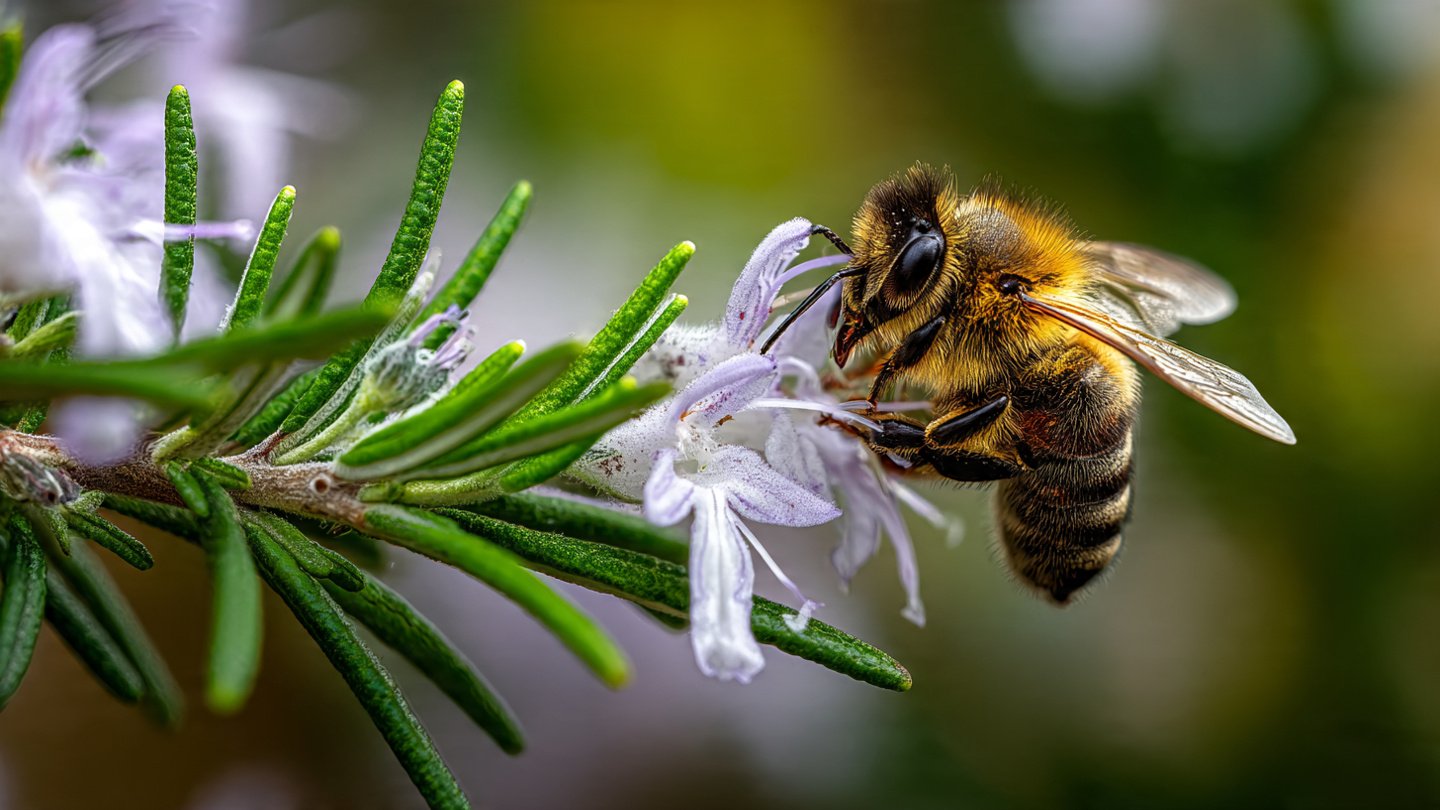
Rosemary is a favorite in many gardens. Its aromatic leaves enhance dishes, its woody stems are perfect for crafts, and its vibrant blue flowers attract pollinators. But did you know that strategically planting herbs near your rosemary can transform your garden into a buzzing haven for bees, butterflies, and other beneficial insects? By combining the right companion herbs, you can boost pollination, improve plant health, and enhance your garden’s biodiversity.
In this guide, we’ll explore which herbs to plant near rosemary, why pollinators love them, and how to create a garden layout that attracts these vital creatures year-round.
Why Pollinators Are Crucial for Your Garden
Pollinators—bees, butterflies, hoverflies, and even some beetles—play a vital role in garden productivity. They:
- Increase fruit and vegetable yields by transferring pollen
- Enhance flowering by encouraging cross-pollination
- Support local ecosystems, promoting biodiversity
- Reduce pest problems, as many pollinators also feed on harmful insects
Rosemary itself is highly attractive to pollinators thanks to its long-lasting blooms. When combined with companion herbs that offer additional nectar, your garden becomes a magnet for beneficial insects, improving overall plant health.
Choosing Herbs to Plant Near Rosemary
The best companion herbs are those that bloom at different times and provide continuous food for pollinators. Here are some excellent options:
1. Thyme (Thymus vulgaris)
- Bloom time: Late spring to early summer
- Pollinator appeal: Attracts bees and hoverflies
- Benefits: Low-growing thyme fills in around rosemary’s base, helping suppress weeds while providing nectar. Thyme’s flowers complement rosemary’s blue spikes with soft pink or lilac blooms.
2. Sage (Salvia officinalis)
- Bloom time: Spring to summer
- Pollinator appeal: Bees and butterflies love sage’s tubular flowers
- Benefits: Sage and rosemary thrive in similar conditions—full sun and well-draining soil. Planting sage nearby enhances soil health and creates a sensory garden full of fragrance and color.
3. Oregano (Origanum vulgare)
- Bloom time: Summer
- Pollinator appeal: Bees, butterflies, and small beneficial insects
- Benefits: Oregano is hardy, drought-tolerant, and its clusters of tiny purple flowers blend beautifully with rosemary’s blooms. It also acts as a ground cover, keeping soil moist and reducing erosion.
4. Lavender (Lavandula angustifolia)
- Bloom time: Early to mid-summer
- Pollinator appeal: Bees and butterflies
- Benefits: Lavender thrives in the same conditions as rosemary and extends the blooming season. Its fragrant purple spikes are irresistible to pollinators and make your garden smell divine.
5. Marjoram (Origanum majorana)
- Bloom time: Summer
- Pollinator appeal: Bees, especially honeybees, frequent marjoram flowers
- Benefits: Marjoram produces clusters of tiny pink flowers and grows well in full sun with rosemary. Planting it nearby creates dense, nectar-rich areas for pollinators to forage.
6. Lemon Balm (Melissa officinalis)
- Bloom time: Late spring to summer
- Pollinator appeal: Bees adore lemon balm, which produces small white flowers
- Benefits: Its lemon scent deters certain pests while attracting pollinators. Lemon balm grows quickly and can fill gaps between rosemary plants, providing a lush, pollinator-friendly understory.
7. Basil (Ocimum basilicum)
- Bloom time: Summer
- Pollinator appeal: Bees and hoverflies
- Benefits: Flowering basil produces clusters of small blooms that are a magnet for pollinators. It pairs well with rosemary in herb gardens and enhances flavor when planted nearby other culinary herbs.
8. Borage (Borago officinalis)
- Bloom time: Late spring to early fall
- Pollinator appeal: Attracts bees, especially bumblebees, due to its star-shaped blue flowers
- Benefits: Borage is a great companion for rosemary because it improves soil health by accumulating minerals like potassium and calcium. Its long blooming period ensures continuous nectar availability.
Planting Techniques to Attract Pollinators
Beyond choosing the right herbs, how you plant them matters. Here are some tips to create a pollinator-friendly layout:
1. Layered Heights
- Place taller herbs like rosemary and sage at the back of your garden bed.
- Medium-height herbs such as lavender and basil go in the middle.
- Low-growing herbs like thyme and oregano can cover the front or edges.
This layered approach makes flowers accessible to pollinators of all sizes and creates visual depth.
2. Continuous Blooming
- Select herbs with staggered bloom times to ensure nectar is available throughout the growing season.
- Combining early, mid, and late bloomers keeps pollinators visiting your garden consistently.
3. Cluster Planting
- Plant each herb in small groups or clusters rather than scattering them individually.
- Pollinators are more likely to notice and visit clusters, increasing the effectiveness of your planting.
4. Avoid Pesticides
- Chemical sprays can harm pollinators.
- Use natural pest control methods like neem oil, companion planting, or beneficial insects instead.
5. Provide Water and Shelter
- A shallow water source such as a saucer with stones gives pollinators a safe place to drink.
- Incorporate log piles, flowerpots, or insect hotels to provide shelter and nesting spaces.
Companion Planting Benefits Beyond Pollination
Planting herbs near rosemary isn’t just about attracting bees and butterflies. Companion planting provides additional benefits:
- Pest control: Some herbs, like basil and lemon balm, repel harmful insects.
- Enhanced growth: Certain herbs can improve soil nutrients or root health for nearby plants.
- Aromatic synergy: Mixing fragrant herbs can create a sensory-rich garden for humans too.
- Culinary convenience: Harvesting multiple herbs from one location is efficient and enjoyable.
A garden designed for pollinators is also healthier, more productive, and easier to maintain.
Seasonal Considerations
To maximize pollinator activity and plant health:
- Spring: Start with early bloomers like rosemary, sage, and thyme.
- Summer: Add basil, marjoram, and lavender for continuous nectar sources.
- Fall: Plant late bloomers like borage or remaining herbs to extend foraging opportunities.
Planning seasonally ensures your herb garden remains a magnet for pollinators across months.
Creating a Pollinator-Friendly Herb Garden Layout
- Centerpiece Rosemary: Use rosemary as the main structural plant due to its size and long blooming period.
- Surrounding Herbs: Plant medium-height herbs around the rosemary for color and fragrance variety.
- Ground Cover: Fill in spaces with low-growing thyme, oregano, or marjoram to suppress weeds and provide nectar.
- Edge Herbs: Lemon balm or borage at the edges can attract bees and butterflies closer to your seating areas.
- Vertical Elements: Consider adding trellises for climbing herbs or flowers to diversify habitats for pollinators.
This layout maximizes space, color, and ecological function in your garden.
Long-Term Care for a Pollinator-Friendly Herb Garden
- Prune lightly after flowering to maintain shape and encourage new blooms.
- Deadhead spent flowers to promote longer flowering periods.
- Mulch with organic material to retain moisture and support soil health.
- Rotate or interplant herbs to prevent soil depletion and reduce disease risk.
Regular attention ensures your herb garden remains a pollinator hotspot year after year.
Final Thoughts
Planting herbs near your rosemary is a simple yet effective way to attract pollinators, enhance biodiversity, and boost garden productivity. By choosing the right companion herbs—thyme, sage, oregano, lavender, basil, marjoram, lemon balm, and borage—you provide nectar and habitat for bees, butterflies, and other beneficial insects while creating a beautiful, aromatic herb garden.
A pollinator-friendly garden not only improves the health of your plants but also supports local ecosystems, promotes ecological balance, and brings your outdoor space to life. With thoughtful planting, layered layouts, and seasonal planning, your rosemary-centered herb garden can become a vibrant haven for pollinators—and a rewarding sanctuary for gardeners alike.
Start planting today, and watch your garden buzz with activity, fragrance, and color from spring through fall.