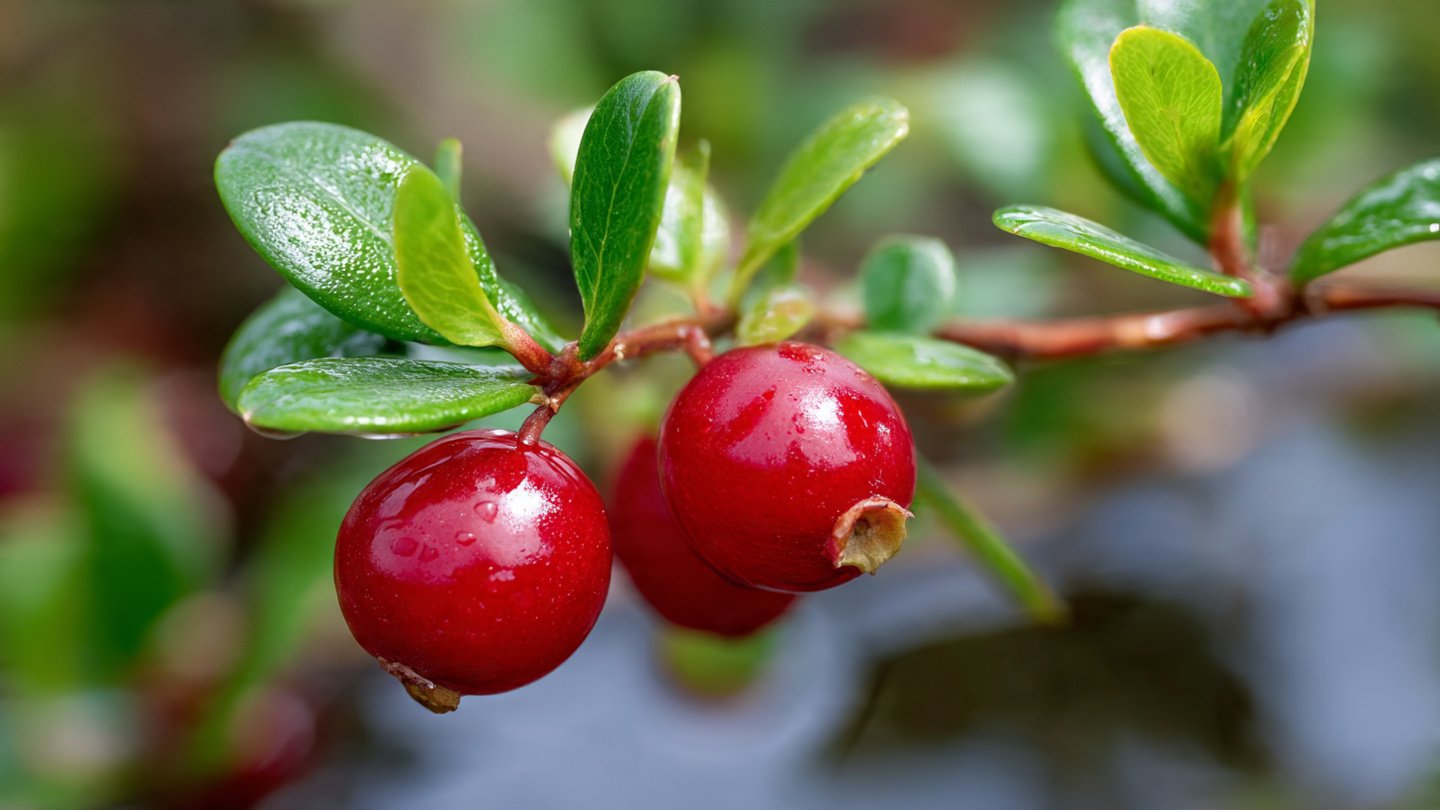
Lingonberries (Vaccinium vitis-idaea), often called cowberries, are small, vibrant red berries known for their tart flavor, rich nutritional content, and versatility in cooking. They are prized for jams, sauces, and baked goods, and they also offer antioxidant benefits that support health. While lingonberries are native to colder climates like Scandinavia, Russia, and North America, they can be successfully grown in home gardens with the right propagation techniques.
Propagating lingonberries efficiently is essential for gardeners who want to expand their patch without purchasing multiple plants. Unlike some berries, lingonberries are slow-growing, so understanding propagation methods can save time and effort while ensuring healthy, productive plants. This guide explores the best techniques for efficient lingonberry propagation in home gardens.
Why Propagate Lingonberries at Home?
Home propagation of lingonberries offers several benefits:
- Cost-Effective: Avoid buying multiple nursery plants by producing your own.
- Genetic Consistency: Propagation ensures the new plants maintain the traits of the parent plant.
- Sustainable Gardening: Expanding your lingonberry patch naturally reduces environmental impact.
- Customization: Propagate only the healthiest and most productive plants to optimize your harvest.
Efficient propagation techniques help maximize your garden’s yield and ensure long-term success.
Understanding Lingonberry Growth
Before diving into propagation, it’s important to understand lingonberry plant characteristics:
- Evergreen Shrubs: Lingonberries are low-growing, spreading shrubs with evergreen leaves.
- Slow Growth: They take several years to mature and produce berries.
- Shallow Roots: Prefer acidic, well-draining soil (pH 4.5–5.5).
- Shade and Sun Tolerance: Thrive in partial shade to full sun.
This understanding informs the choice of propagation methods that support healthy root development and plant vigor.
Method 1: Propagating Lingonberries from Cuttings
Propagating lingonberries from stem cuttings is one of the most efficient methods for home gardeners. This technique allows gardeners to produce genetically identical plants while avoiding seeds’ longer germination period.
Steps for Stem Cutting Propagation
- Select Healthy Stems: Choose young, semi-woody stems from an established lingonberry plant. Avoid old, woody stems.
- Cut the Stem: Take 3–4 inch long cuttings, ensuring each has at least 2–3 leaf nodes.
- Prepare the Cuttings: Remove the lower leaves, leaving a few at the top for photosynthesis.
- Rooting Hormone (Optional): Dip the cut end in a rooting hormone to accelerate root development.
- Planting Medium: Use a mixture of peat moss and sand or perlite, which provides moisture and drainage.
- Plant the Cuttings: Insert the cuttings 1–2 inches into the medium.
- Moisture and Humidity: Keep the soil lightly moist and cover with a plastic dome or bag to maintain humidity.
- Light and Temperature: Place in a bright area with indirect sunlight, maintaining a temperature of 18–22°C (65–72°F).
Rooting usually takes 4–6 weeks. Once roots are well-established, cuttings can be transplanted into individual pots or garden beds.
Tip: Regularly mist the cuttings to prevent drying out, but avoid waterlogging.
Method 2: Propagating Lingonberries from Runners
Lingonberries naturally produce runners, which are horizontal stems that develop roots at nodes. This makes them ideal for vegetative propagation:
Steps for Runner Propagation
- Identify Healthy Runners: Look for runners that have formed small root clusters at the nodes.
- Select Nodes for Planting: Choose nodes with 2–3 small leaves and visible root formation.
- Prepare the Planting Site: Use well-draining, acidic soil enriched with organic matter.
- Pin the Runner: Bend the runner down to the soil and pin it gently using a small stake or U-shaped wire.
- Cover with Soil: Lightly cover the pinned node with soil, ensuring the roots have contact.
- Water Regularly: Keep the soil moist to encourage root establishment.
- Sever from Parent Plant: After 4–6 weeks, once roots are well-established, cut the runner connecting the new plant to the parent.
This method is especially efficient because it uses natural growth patterns, ensuring a high success rate for home gardeners.
Method 3: Propagating Lingonberries from Seeds
Although seed propagation takes longer, it allows gardeners to grow multiple plants and experiment with new cultivars.
Steps for Seed Propagation
- Collect Seeds: Harvest seeds from fully ripe lingonberries.
- Clean Seeds: Remove pulp and rinse thoroughly to prevent mold.
- Stratification: Lingonberry seeds require cold stratification to germinate. Place seeds in a moist paper towel or sand mixture in the refrigerator for 60–90 days.
- Plant Seeds: Sow the stratified seeds in a seed-starting mix 1/4 inch deep.
- Maintain Moisture: Keep the soil lightly moist and avoid waterlogging.
- Provide Light: Place seedlings in bright, indirect sunlight or under a grow light.
- Transplanting: Once seedlings have 2–3 true leaves, transplant them into individual pots with acidic, well-draining soil.
Seed propagation is slower than cuttings or runners but can be rewarding for expanding your garden over time.
Tips for Successful Lingonberry Propagation
- Soil pH: Maintain acidic soil (4.5–5.5) to promote healthy root growth and nutrient uptake.
- Drainage: Avoid waterlogged soil, which can rot roots and reduce success rates.
- Temperature: Maintain moderate temperatures (18–22°C) during propagation.
- Light: Provide bright, indirect light for cuttings and seedlings to encourage strong growth.
- Humidity: Cover cuttings with a plastic dome or bag to maintain high humidity and prevent leaf dehydration.
- Regular Monitoring: Check for mold, pests, and soil moisture levels regularly.
Benefits of Efficient Lingonberry Propagation
Efficient propagation techniques not only expand your home garden but also offer several benefits:
- Faster Expansion: Quickly increase the number of productive plants.
- Consistent Quality: Cuttings and runners ensure new plants retain the flavor and growth traits of the parent.
- Low-Cost Gardening: Produce multiple plants without purchasing nursery stock.
- Sustainable Gardening: Minimize the environmental impact by reducing commercial plant purchases.
- High Yield: Properly propagated plants produce berries faster and more abundantly.
Integrating Propagated Plants into Your Garden
After successful propagation, proper planting ensures strong growth and future fruit production:
- Planting Site: Choose a location with full sun to partial shade.
- Spacing: Maintain 12–18 inches between plants to allow air circulation and reduce disease risk.
- Soil Preparation: Enrich soil with peat moss, compost, or acidic organic matter.
- Mulching: Use pine needles, bark, or compost to retain soil moisture and acidity.
- Watering: Keep soil consistently moist, especially during the first year of growth.
- Pruning: Remove old or weak stems to encourage new growth and higher yields.
Common Challenges and Solutions
- Slow Growth: Lingonberries are naturally slow growers; patience is key. Using cuttings or runners accelerates growth compared to seed propagation.
- Pests: Aphids, mites, and caterpillars can occasionally affect young plants. Use organic sprays or hand removal to manage infestations.
- Soil Issues: Alkaline soil reduces nutrient availability. Acidify soil with sulfur or peat moss to support healthy growth.
- Winter Protection: In colder climates, mulch heavily to protect roots from freezing. Lingonberries are hardy but benefit from extra insulation during extreme winters.
Conclusion
Efficient lingonberry propagation in home gardens is both achievable and rewarding. By understanding the plant’s growth habits and applying the right techniques—cuttings, runners, or seeds—gardeners can expand their berry patch cost-effectively while maintaining the quality and vigor of the parent plants.
Stem cuttings and runner propagation offer fast and reliable methods, producing new plants identical to the parent, while seed propagation allows experimentation and long-term expansion. Pairing these methods with optimal soil, water, light, and climate conditions ensures healthy, productive lingonberry plants that can thrive for many years.
Whether you are a beginner or an experienced gardener, adopting these best techniques for lingonberry propagation can help you enjoy abundant harvests of tart, nutritious berries and create a vibrant, sustainable home garden. With careful attention to soil, moisture, and plant care, your lingonberry patch can flourish, providing delicious berries for jams, sauces, desserts, and healthy snacking year after year.