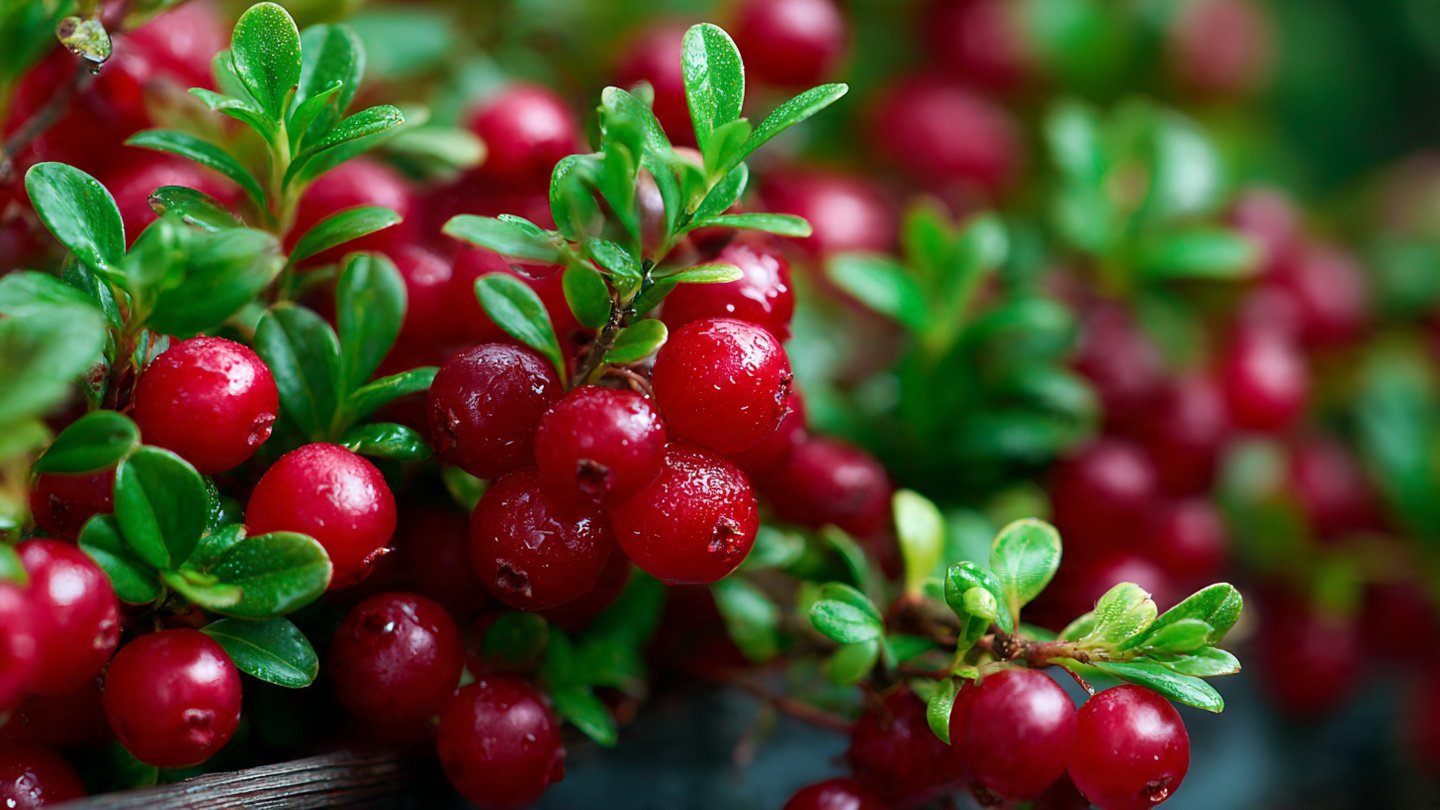
Urban living often comes with limited outdoor space, but that doesn’t mean you have to give up the joy of gardening. Container gardening has emerged as an ideal solution for city dwellers and those with small yards. Among the many plants that thrive in containers, lingonberries stand out as a versatile, rewarding choice. Known for their vibrant red berries and evergreen foliage, lingonberries are not only visually appealing but also packed with nutritional benefits. Growing lingonberries in containers offers a unique opportunity to enjoy fresh berries, beautify your space, and even experiment with urban agriculture.
This article explores the benefits of container-grown lingonberries, provides tips for successful cultivation, and highlights why they are perfect for urban and small-space gardens.
Why Choose Lingonberries?
Lingonberries (Vaccinium vitis-idaea) are hardy, perennial shrubs native to cooler climates of North America, Europe, and Asia. They are closely related to blueberries and cranberries and share similar growing requirements, including acidic soil and consistent moisture. Here’s why lingonberries are an excellent choice for container gardening:
- Nutrient-Rich Berries: Lingonberries are high in antioxidants, vitamins C and E, and fiber, making them a superfood for heart health and immunity.
- Evergreen Beauty: The glossy green leaves remain year-round, providing visual appeal even when the plant isn’t fruiting.
- Compact Growth: Lingonberries naturally grow low to the ground, making them ideal for pots, raised beds, or balcony gardens.
- Low Maintenance: Once established, lingonberries are hardy and require minimal pruning or pest control.
For urban gardeners, these traits make lingonberries not just a source of nutritious berries but also a beautiful, resilient addition to small outdoor spaces.
The Benefits of Growing Lingonberries in Containers
Growing lingonberries in containers offers several advantages over traditional in-ground planting, especially in urban environments:
1. Space Efficiency
Urban spaces often come with limited garden areas. Containers allow you to cultivate lingonberries on balconies, patios, rooftops, or even indoors near a sunny window. With the right-sized container, you can grow multiple plants in a relatively small footprint, making efficient use of vertical and horizontal space.
Pro Tip: Stack containers on multi-tier plant stands or use hanging pots to maximize your growing area.
2. Soil Control
Lingonberries require acidic soil with a pH between 4.5 and 5.5. Urban soil may not always meet these requirements, and testing and amending in-ground soil can be cumbersome. Container gardening allows complete control over soil composition. You can use a high-quality, acidic potting mix designed for blueberries or rhododendrons, ensuring optimal growth conditions.
Pro Tip: Mix in peat moss, pine bark, or composted conifer material to maintain acidity and good drainage.
3. Portability
Containers allow you to move lingonberries as needed. In colder climates, you can bring potted plants indoors or into a greenhouse during harsh winters. In hot climates, they can be relocated to shaded areas during peak summer heat. This portability ensures better survival rates and consistent berry production.
4. Pest and Disease Management
Container gardening can reduce exposure to soil-borne pests and diseases. By controlling the soil and location, you can prevent problems like root rot or fungal infections. Containers also make it easier to isolate and treat infected plants without affecting the rest of your garden.
5. Aesthetics and Design
Lingonberries have a natural, low-growing habit with small, glossy leaves and bright red berries, making them an attractive ornamental plant. Containers allow for creative garden design in urban spaces. You can mix lingonberries with companion plants like dwarf conifers, heathers, or ornamental grasses to create visually appealing arrangements.
Pro Tip: Use decorative ceramic or wooden pots that complement your outdoor or indoor décor for an added aesthetic touch.
Choosing the Right Container
The container you select plays a crucial role in the health and productivity of your lingonberries. Here are the key factors to consider:
- Size: Choose a pot at least 12–18 inches in diameter and depth to accommodate root growth. Lingonberries have shallow, fibrous roots but benefit from space for water retention.
- Material: Plastic, ceramic, and wooden containers all work. Plastic pots retain moisture better, while ceramic or clay pots provide better aeration but may dry out faster.
- Drainage: Ensure the container has drainage holes to prevent waterlogging, which can lead to root rot. Adding a layer of gravel at the bottom can improve drainage.
- Mobility: Consider using pots with wheels or placing them on plant caddies if you plan to move them seasonally.
Planting Lingonberries in Containers
1. Soil Preparation
Use an acidic, well-draining potting mix. A recommended recipe includes:
- 50% peat moss
- 30% pine bark
- 20% perlite or coarse sand
Mix thoroughly and fill your container about two-thirds full.
2. Planting the Shrub
- Gently remove the lingonberry from its nursery pot.
- Loosen the root ball carefully to avoid damaging the fibrous roots.
- Position the plant in the container so the top of the root ball is slightly below the container rim.
- Fill in with soil, firming gently around the roots, and water thoroughly.
3. Mulching
Apply a 1–2 inch layer of mulch, such as pine needles or bark chips, to retain moisture, regulate temperature, and prevent weeds.
Caring for Container-Grown Lingonberries
Proper care ensures that your container-grown lingonberries thrive and produce an abundant harvest.
1. Watering
Lingonberries prefer consistently moist soil. Water the plants whenever the top inch of soil feels dry. Avoid waterlogging, which can cause root rot. Containers dry out faster than garden beds, so regular monitoring is essential.
2. Fertilization
Use an acidic, slow-release fertilizer or a liquid fertilizer formulated for blueberries or azaleas. Feed the plants during the growing season, typically from spring to early summer. Avoid over-fertilizing, as excess nitrogen can lead to lush foliage but fewer berries.
3. Sunlight
Lingonberries thrive in full sun to partial shade. In containers, ensure your plants receive at least 4–6 hours of direct sunlight per day. If growing indoors, place them near a south-facing window or use grow lights to supplement light.
4. Pruning
Prune annually after fruiting to remove dead or weak branches. This encourages new growth and improves berry production. Light pruning can also help maintain a compact shape suitable for containers.
5. Winter Care
Lingonberries are cold-hardy, but container plants are more exposed to temperature fluctuations. In cold climates, insulate containers with burlap or move them to sheltered locations. In warmer climates, provide some protection from extreme heat to prevent stress.
Harvesting Lingonberries
Lingonberries usually ripen in late summer to early fall, depending on your climate. The berries turn a bright, glossy red when fully ripe.
- Gently pick berries by hand to avoid damaging branches.
- Regular harvesting encourages more fruit production.
- Lingonberries are tart, so they are excellent for jams, sauces, smoothies, or even fresh consumption.
Pro Tip: Lingonberries can be frozen immediately after harvest without losing flavor, allowing you to enjoy them year-round.
Companion Planting and Creative Uses
Lingonberries pair well with other container-friendly plants like:
- Dwarf conifers for winter structure and visual contrast
- Heathers for acid-loving companion growth
- Small herbs like thyme or mint around the container edges
Their ornamental value also makes them suitable for decorative arrangements, edible landscaping, or even rooftop gardens.
Conclusion
Growing lingonberries in containers is a rewarding option for urban gardeners and small-space enthusiasts. These compact, hardy shrubs provide nutritious berries, evergreen foliage, and visual appeal, all while fitting into limited spaces. Container gardening offers control over soil quality, moisture, and location, ensuring healthier plants and more consistent harvests.
By selecting the right container, preparing acidic soil, and following proper care routines—including watering, fertilizing, pruning, and winter protection—you can enjoy the benefits of lingonberries year after year. Whether for culinary use, ornamental purposes, or health benefits, container-grown lingonberries are a practical and enjoyable addition to any urban or small-space garden.
Embrace the possibilities of container gardening and let lingonberries transform your urban space into a thriving, fruitful oasis. With patience and care, you’ll enjoy beautiful shrubs and delicious berries from the comfort of your balcony, patio, or terrace.