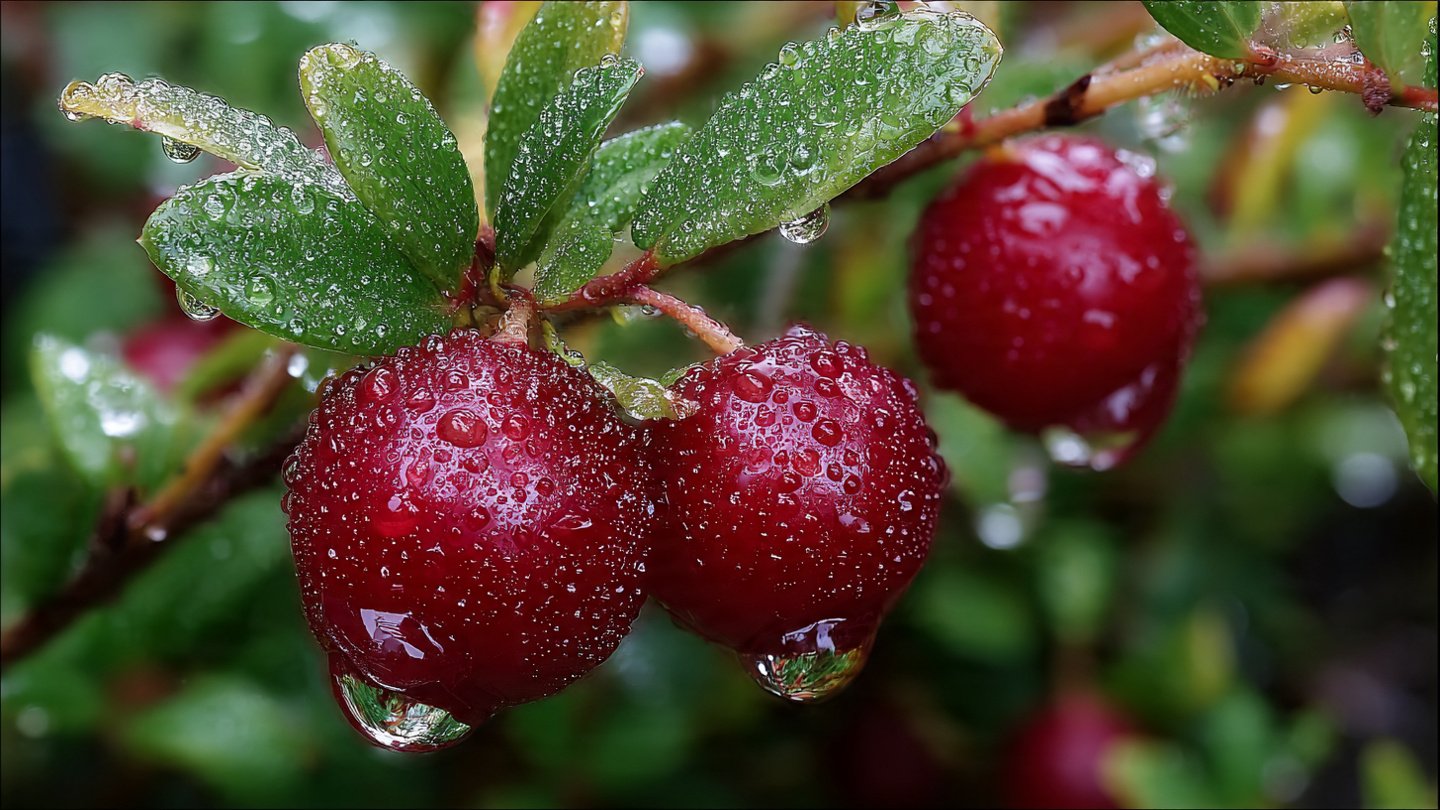
Lingonberries may be small, but they are packed with flavor, nutrition, and gardening potential. Known for their bright red color and pleasantly tart taste, lingonberries are widely used in jams, sauces, desserts, and traditional dishes across Northern Europe. Beyond their culinary value, lingonberry plants are hardy, attractive, and long-lived, making them a rewarding addition to home gardens.
Although lingonberries are not as commonly grown as strawberries or blueberries, they are surprisingly easy to cultivate when their specific needs are met. This guide covers essential tips for successfully growing lingonberries in your garden, from soil preparation and planting to care, harvesting, and long-term maintenance.
Understanding Lingonberry Plants
Lingonberries (Vaccinium vitis-idaea) are low-growing evergreen shrubs belonging to the same family as blueberries and cranberries. They thrive in cool climates and acidic soils and are well suited for ground cover, raised beds, or containers.
Key characteristics include:
- Compact growth, usually 8–12 inches tall
- Evergreen leaves that provide year-round interest
- Small bell-shaped flowers followed by red berries
- High cold tolerance and long lifespan
Once established, lingonberry plants can remain productive for decades.
Choosing the Right Climate and Location
Climate Requirements
Lingonberries thrive best in cool to temperate climates. They are extremely cold-hardy and can tolerate freezing winters, making them ideal for regions with cold or mild summers.
They perform best in:
- Cool summers
- Cold winters with snow cover
- USDA zones 2–7 (depending on variety)
In warmer climates, partial shade and proper moisture management are essential to prevent heat stress.
Selecting the Ideal Garden Spot
Choose a location that provides:
- Morning sun and light afternoon shade
- Good air circulation
- Protection from harsh midday heat
Lingonberries need sunlight to fruit well, but excessive heat can reduce berry production.
Soil Preparation: The Foundation of Success
Soil quality is the single most important factor in lingonberry cultivation.
Soil pH
Lingonberries require acidic soil, with an ideal pH range of 4.5–5.5. Neutral or alkaline soil will lead to poor growth and nutrient deficiencies.
Test your soil before planting. If pH is too high, amend it with:
- Peat moss
- Pine needles
- Elemental sulfur
- Acidic compost
Soil Texture and Drainage
Lingonberries prefer:
- Well-draining soil
- Light, sandy, or loamy texture
- High organic matter
Avoid heavy clay soils, as standing water can cause root rot.
Raised beds are an excellent option if your native soil drains poorly.
Selecting Healthy Plants or Varieties
Lingonberries are usually grown from nursery plants rather than seeds, as seeds take much longer to produce fruit.
Popular Lingonberry Varieties
- ‘Red Pearl’ – High yield, excellent flavor
- ‘Koralle’ – Reliable fruiting and ornamental appeal
- ‘Erntedank’ – Known for heavy crops
Choose disease-free plants with healthy roots and vibrant foliage.
Planting Lingonberries Correctly
Best Time to Plant
- Early spring is ideal
- Fall planting works in cooler regions
Avoid planting during extreme heat or frost.
Spacing and Layout
- Space plants 12–18 inches apart
- Rows should be about 2–3 feet apart
Lingonberries spread slowly over time, forming a dense mat.
Planting Steps
- Dig a hole slightly wider than the root ball
- Place plant at the same depth as it was in the pot
- Backfill with acidic, organic-rich soil
- Water thoroughly to settle roots
- Apply mulch immediately
Watering: Consistency Is Key
Lingonberries have shallow roots and require consistent moisture.
Watering Guidelines
- Keep soil evenly moist, especially during flowering and fruiting
- Avoid waterlogging
- Water deeply but gently
During dry periods, watering 1–2 times per week is usually sufficient.
Using rainwater or filtered water is beneficial, as hard tap water can raise soil pH over time.
Mulching for Moisture and Soil Health
Mulching plays a critical role in lingonberry success.
Best Mulch Materials
- Pine needles
- Pine bark chips
- Sawdust from untreated wood
- Leaf mold
Benefits of mulching include:
- Moisture retention
- Weed suppression
- Temperature regulation
- Maintenance of acidic soil
Apply a 2–3 inch layer, keeping mulch slightly away from plant crowns.
Fertilizing Lingonberry Plants
Lingonberries are light feeders and do not require heavy fertilization.
Fertilizer Tips
- Use acid-loving plant fertilizer
- Apply once in early spring
- Avoid high-nitrogen fertilizers
Too much fertilizer can result in lush leaves but poor fruiting.
Organic options like composted pine bark or diluted fish emulsion are excellent choices.
Pollination and Flowering
Lingonberries are partially self-fertile, but cross-pollination improves yields.
To enhance pollination:
- Plant more than one variety
- Encourage pollinators like bees
- Avoid pesticide use during flowering
Healthy flowering typically occurs in late spring to early summer.
Pruning and Maintenance
Lingonberries require minimal pruning but benefit from occasional maintenance.
When to Prune
- Early spring before new growth
- After harvesting if needed
How to Prune
- Remove dead, damaged, or weak stems
- Thin overcrowded areas lightly
- Avoid heavy pruning, as fruit forms on older growth
Regular pruning improves airflow and berry production.
Pests and Diseases to Watch For
Lingonberries are relatively pest-resistant but may occasionally face issues.
Common Pests
- Aphids
- Spider mites
- Caterpillars
Disease Concerns
- Root rot (from poor drainage)
- Fungal leaf spots
Prevent problems by:
- Ensuring proper drainage
- Avoiding overhead watering
- Maintaining good airflow
- Using organic pest control methods if needed
Harvesting Lingonberries
Lingonberries are usually ready to harvest in late summer to early fall.
Harvest Signs
- Deep red color
- Firm texture
- Easily detach from plant
Harvest by hand to avoid damaging the low-growing plants.
Yield Expectations
Plants typically begin producing fruit in their second or third year and increase yields as they mature.
Storing and Using Lingonberries
Fresh lingonberries store well due to their natural acidity.
Storage Tips
- Refrigerate fresh berries for up to 2 weeks
- Freeze berries for long-term storage
- Process into jams, sauces, or preserves
Lingonberries pair beautifully with both sweet and savory dishes.
Growing Lingonberries in Containers
Lingonberries are well suited for container gardening.
Container Requirements
- Minimum 12-inch wide pot
- Excellent drainage holes
- Acidic potting mix
Container plants require more frequent watering and occasional soil renewal but are ideal for patios and balconies.
Long-Term Care and Productivity
With proper care, lingonberry plants can remain productive for 20–30 years.
Key long-term tips:
- Maintain acidic soil
- Refresh mulch annually
- Monitor moisture levels
- Protect plants during extreme heat
Their evergreen foliage also provides ornamental value throughout the year.
Conclusion
Lingonberry cultivation may seem specialized, but with the right conditions, it is both achievable and highly rewarding. By focusing on acidic soil, proper moisture, thoughtful planting, and gentle maintenance, you can enjoy healthy plants and abundant harvests for years to come.
Whether grown in garden beds, raised plots, or containers, lingonberries offer a unique blend of beauty, resilience, and culinary value. With patience and care, your garden can become a reliable source of these vibrant, nutritious berries—perfect for fresh use, preserves, and traditional recipes.
If you’re looking to expand beyond common fruits and grow something truly special, lingonberries are an excellent choice for your home garden.