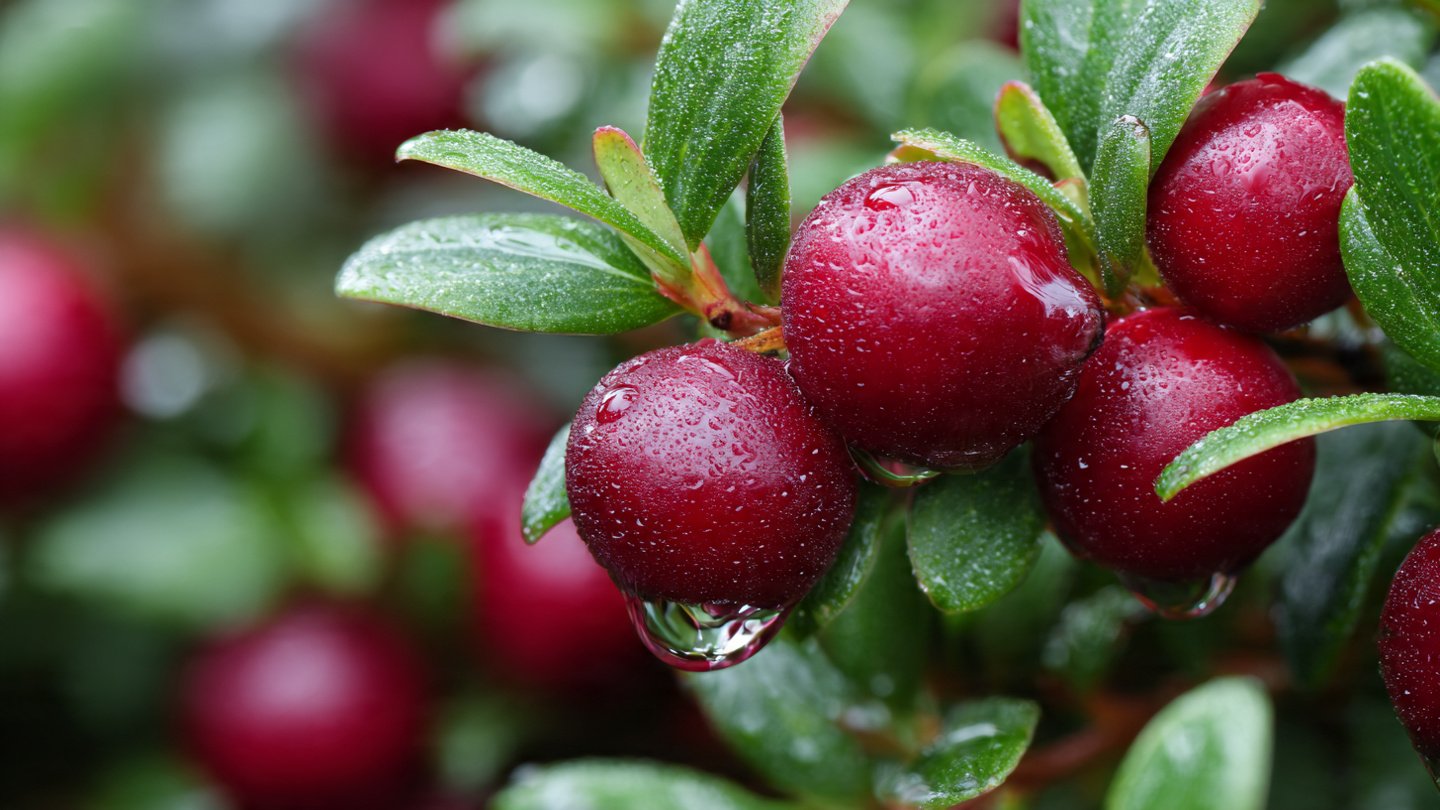
Lingonberries, known scientifically as Vaccinium vitis-idaea, are evergreen shrubs prized for their bright red berries, ornamental appeal, and antioxidant-rich fruits. Native to cooler regions, these hardy plants are commonly grown in home gardens, orchards, and containers. While lingonberries are relatively low-maintenance, pruning is essential for optimal growth, increased berry production, and maintaining healthy, attractive bushes. This guide provides essential tips and techniques for pruning lingonberry bushes to ensure they thrive year after year.
Why Pruning Lingonberries is Important
Pruning is a critical practice for lingonberry care due to several reasons:
- Encourages new growth: Pruning stimulates the production of new shoots, which produce more flowers and berries.
- Maintains shape and size: Lingonberries can become dense and sprawling over time; pruning helps control their shape.
- Improves air circulation: Removing crowded or dead branches reduces the risk of fungal diseases and pest infestations.
- Increases berry yield: By focusing the plant’s energy on productive shoots, pruning maximizes fruiting potential.
- Removes damaged or diseased wood: Pruning eliminates branches that are old, weak, or infected, promoting overall plant health.
Regular, strategic pruning is therefore essential to maintain a vibrant, productive lingonberry bush.
When to Prune Lingonberry Bushes
The timing of pruning affects the plant’s growth and fruiting:
- Late winter to early spring: This is the best time to prune before new growth begins. It allows the plant to recover quickly and produce strong shoots.
- After harvest: A lighter pruning can be done in late summer or early fall to remove old or unproductive growth.
- Avoid heavy pruning in fall: Late pruning may stimulate new growth that can be damaged by winter frost.
By pruning at the correct time, lingonberries can recover faster and maximize berry production in the following season.
Tools Needed for Pruning
Proper tools ensure clean cuts and prevent damage to the plant:
- Sharp pruning shears: For cutting smaller branches and shoots.
- Loppers: For thicker stems that require more leverage.
- Gloves: Protect your hands from scratches or contact with rough bark.
- Disinfectant: Clean tools between cuts to prevent the spread of disease.
Using the right tools and keeping them sharp ensures precise pruning and faster recovery for your lingonberry bush.
Types of Pruning Cuts
Understanding which branches to remove is crucial:
1. Thinning Cuts
- Remove old, unproductive branches at the base.
- Thinning encourages air circulation and light penetration, which stimulates new growth.
- Avoid removing more than one-third of the bush at a time to prevent stress.
2. Heading Cuts
- Trim the tips of young shoots to encourage branching.
- Heading cuts help maintain a compact, bushy shape.
- Make cuts just above a leaf node to promote lateral growth.
3. Renewal Cuts
- Cut older stems close to the ground to rejuvenate the bush.
- This technique ensures the plant produces fresh, berry-bearing shoots each year.
Combining these pruning methods helps maintain vigorous growth, attractive form, and high yields.
Step-by-Step Guide to Pruning Lingonberry Bushes
Step 1: Assess the Bush
- Observe the bush for dead, damaged, or crowded stems.
- Identify areas where light penetration is poor.
Step 2: Remove Dead and Diseased Wood
- Cut out stems that are brown, brittle, or showing signs of fungal infection.
- Dispose of removed material away from the planting area to prevent spreading disease.
Step 3: Thin Out Old Growth
- Remove stems that are older than 3–4 years, as they produce fewer berries.
- Focus on creating an open framework in the center of the bush.
Step 4: Shape the Bush
- Use heading cuts to maintain a compact, rounded shape.
- Trim excessive side shoots that crowd the bush and reduce air circulation.
Step 5: Encourage New Shoots
- Make renewal cuts on a few older stems to stimulate fresh growth.
- New shoots will emerge during spring, leading to heavier berry production.
Step 6: Clean Up
- Remove all pruned branches from the garden bed.
- Mulch the base with organic matter like compost or leaf litter to retain moisture and suppress weeds.
Following this step-by-step method ensures your lingonberry bush is healthy, productive, and visually appealing.
Tips for Maintaining Berry Production
Proper pruning is just one aspect of maintaining high berry yields. Consider these additional tips:
- Fertilization: Apply acidic fertilizers (like those used for blueberries) in early spring to promote healthy growth.
- Mulching: Helps retain moisture and keeps roots cool.
- Regular watering: Lingonberries prefer slightly moist soil; water during dry spells.
- Sunlight: Plant in full sun to partial shade to maximize berry production.
- Pest control: Monitor for aphids or fungal diseases and treat promptly.
By combining pruning with good cultural practices, your lingonberry bushes will produce a bountiful harvest year after year.
Common Mistakes to Avoid
Even experienced gardeners can make pruning mistakes that reduce berry yield:
- Over-pruning: Removing too many stems at once stresses the plant and reduces berries.
- Pruning at the wrong time: Late-season cuts can stimulate growth that may be damaged by frost.
- Ignoring diseased wood: Failing to remove infected stems can spread disease throughout the bush.
- Cutting too close to the crown: Avoid damaging the base, as it is critical for new shoot production.
Avoiding these mistakes ensures that your lingonberry bushes remain productive and healthy.
Encouraging Long-Term Growth
For long-lasting lingonberry bushes:
- Perform annual pruning consistently.
- Rotate fertilization and mulching to maintain soil fertility.
- Monitor for environmental stress, such as drought or frost, and take protective measures.
- Keep the bush free of weeds that compete for nutrients and water.
Regular care, combined with effective pruning, ensures your lingonberry bushes thrive for decades.
Harvesting After Pruning
Pruning also helps simplify harvesting:
- Berries grow on new shoots, which are easier to reach after the bush has been opened up.
- Regularly harvesting ripe berries encourages the plant to produce more fruit.
- Avoid leaving old berries on the bush, as they may attract pests.
Pruning and timely harvesting work hand in hand to maximize yield and quality.
Conclusion
Pruning lingonberry bushes is an essential practice for gardeners who want healthy, productive plants and a bountiful harvest. By understanding the plant’s growth habits and applying strategic pruning techniques, you can:
- Encourage vigorous new growth and berry production.
- Maintain an attractive, well-shaped bush.
- Improve air circulation and reduce disease risk.
- Rejuvenate older bushes for long-term productivity.
Key points to remember:
- Prune in late winter or early spring for optimal results.
- Remove dead, diseased, or old wood regularly.
- Use thinning, heading, and renewal cuts strategically.
- Combine pruning with fertilization, mulching, and proper watering for maximum yield.
- Avoid common mistakes like over-pruning or pruning at the wrong time.
With these essential tips, your lingonberry bushes will remain healthy, beautiful, and productive, providing bright red, antioxidant-rich berries year after year.