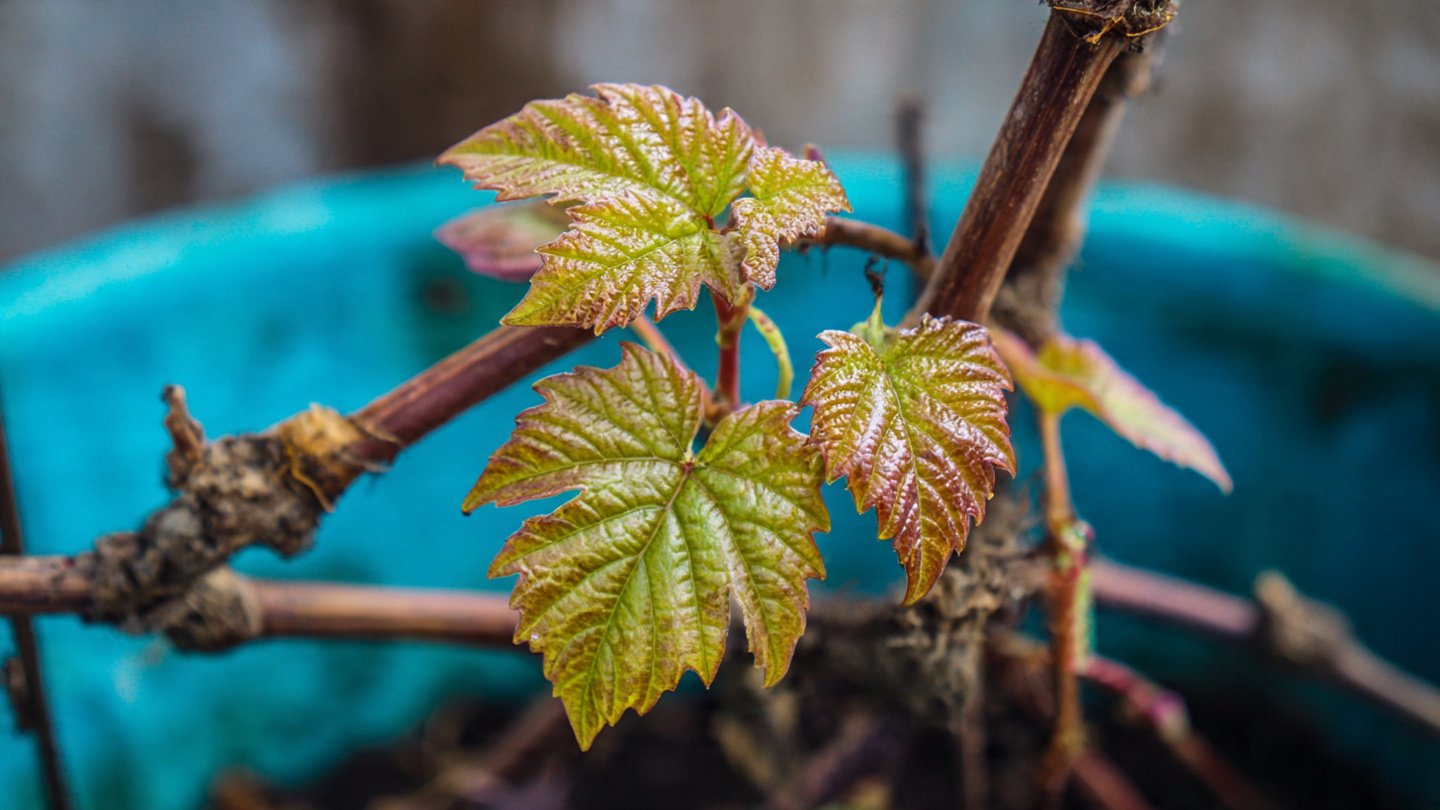
Growing grapes at home is one of the most rewarding gardening projects. Whether you’re looking to cultivate table grapes, juice grapes, or ornamental varieties, the process from cutting to vine can be fascinating and highly satisfying. One of the most exciting moments for any gardener is observing the transformation of grape cuttings after several months of care. At eight months after planting, grape cuttings show remarkable growth, and the results can be inspiring for anyone interested in home viticulture. In this article, we’ll explore the incredible growth, techniques used, and what you can expect after eight months of dedication.
Starting With Healthy Grape Cuttings
The journey begins with choosing healthy grape cuttings. Experts recommend:
- Timing: Cuttings should be taken during the dormant season, usually late winter to early spring.
- Type of Cutting: Hardwood cuttings, which are mature, one-year-old stems, are ideal. Softwood cuttings are also used but require more careful care.
- Length: Cuttings should be about 10–12 inches long with at least 3–4 nodes.
- Preparation: Trim the cuttings just below a node and remove any damaged or diseased portions.
By selecting high-quality cuttings, you increase the chances of rooting successfully and achieving vigorous growth within months.
Planting the Cuttings
Planting grape cuttings correctly is crucial for long-term success. Key steps include:
- Soil Selection: Well-draining, fertile soil is essential. Grapes prefer slightly acidic to neutral pH (5.5–7).
- Planting Depth: Insert the cutting 3–4 inches into the soil, burying at least two nodes.
- Spacing: If planting multiple cuttings, maintain at least 12–18 inches of spacing for proper air circulation.
- Watering: Keep the soil consistently moist during the initial rooting period but avoid waterlogging, which can cause rot.
Many gardeners also start cuttings in pots or polybags to monitor growth closely before transplanting into the garden.
The First Few Months: Root Development and Early Shoots
During the first two to four months, the cuttings focus on root development. Some signs of success include:
- Root Formation: If roots begin to develop, the cutting becomes anchored in the soil. Carefully tugging the cutting can reveal resistance, a sign of root growth.
- Bud Swelling: Tiny buds start to swell and may begin forming shoots. This indicates that the cutting is actively growing.
- Leaf Emergence: Small leaves may appear at nodes, signaling that photosynthesis has begun.
During this period, maintaining consistent watering, protecting from pests, and ensuring partial sunlight exposure are critical for success.
Five to Six Months: Rapid Shoot Growth
Once the roots are established, grape cuttings enter a phase of rapid growth. By five to six months, gardeners can notice significant changes:
- Vigorous Shoots: Shoots grow quickly, sometimes several inches per week under optimal conditions.
- Healthy Leaves: Leaves are fully expanded, deep green, and functional for photosynthesis.
- First Tendrils: Some varieties may begin producing small tendrils, which help the vine climb and attach to supports.
Experts recommend introducing support structures at this stage, such as trellises, stakes, or netting, to guide the vine and prevent sprawling on the ground. Proper support also ensures maximum exposure to sunlight and reduces the risk of fungal infections.
Seven Months: Preparing for Fruiting
At seven months, grape cuttings are now young vines with strong shoots and healthy foliage. While fruiting typically does not occur until the second or third year, the groundwork for abundant yields is being laid:
- Pruning for Shape: Remove weaker shoots to focus energy on strong main stems. This training shapes the vine and prepares it for future fruiting.
- Fertilization: Apply balanced fertilizers rich in nitrogen, phosphorus, and potassium to support vegetative growth. Organic options such as compost or vermicompost enhance soil fertility naturally.
- Pest Management: Monitor for aphids, spider mites, and leafhoppers, which can weaken young vines. Neem oil or mild organic sprays protect the plant without harming its growth.
The vine’s structure at this stage is impressive, with long, sturdy shoots and fully formed leaves that hint at the potential for heavy future yields.
Eight Months: The Incredible Growth You Must See
Eight months after planting, grape cuttings have transformed into vigorous young vines with visible signs of health, strength, and promise. Gardeners often describe this phase as magical, as the results of consistent care become undeniable:
1. Strong, Well-Rooted Plants
By this time, the roots have spread extensively, anchoring the plant securely and providing the nutrients and water necessary for further growth. The vine’s strong foundation ensures it can support future fruit clusters without the risk of collapsing or lodging.
2. Robust Foliage
Leaves are abundant, dark green, and healthy, indicating proper photosynthesis and nutrient absorption. This lush foliage not only supports vine growth but also provides shade for the soil, reducing evaporation and helping retain moisture.
3. Tendrils and Climbing Ability
Tendrils have begun to appear on most varieties, and the vine is starting to explore supports. These tendrils allow the grapevine to climb and stabilize itself, preparing for optimal sun exposure and air circulation—both critical for future flowering and fruiting.
4. Vine Training and Structure Formation
Eight-month-old cuttings benefit from early training. Gardeners can now:
- Guide shoots along trellis wires or stakes
- Remove excessive lateral growth that may hinder airflow
- Begin forming the main trunk and secondary branches for future fruiting clusters
Proper training ensures the vine grows in a manageable, productive shape for years to come.
5. Potential Flower Buds
While most grape varieties do not flower until 12–18 months, some early-flowering types may start forming tiny buds at this stage. This is a sign of healthy, vigorous growth and indicates that the plant is ready to enter its reproductive phase soon.
Expert Tips for Maximizing Growth After Eight Months
- Consistent Watering: Maintain deep watering 2–3 times per week depending on climate and soil type. Avoid shallow watering, which can encourage weak root systems.
- Mulching: Apply organic mulch such as straw or coconut husk around the base to retain moisture, suppress weeds, and regulate soil temperature.
- Balanced Fertilization: Use a fertilizer high in nitrogen during vegetative growth, gradually switching to phosphorus and potassium as the plant matures.
- Sunlight Exposure: Ensure vines receive at least 6–8 hours of sunlight daily. Use reflective surfaces or trellis adjustments to maximize light on all leaves.
- Early Pest Control: Keep an eye on pests and fungal infections. Early detection prevents damage and supports sustained growth.
Why the Eight-Month Milestone is Special
For gardeners, the eight-month mark is exciting because it represents the transition from fragile cutting to a strong, established vine. It demonstrates that the hard work invested in cutting selection, planting, watering, and care is paying off. By this stage:
- The vine is self-sustaining and requires less intensive care.
- Its growth pattern can be assessed and corrected through pruning and training.
- Future productivity can be predicted based on current vigor and foliage density.
In short, eight months is when gardeners begin to see the “promise” of their future harvests—a tangible result of their patience and dedication.
Preparing for Year Two
After eight months, gardeners should start planning for the next phase:
- Flowering and Fruiting Preparation: Adjust pruning to encourage strong fruiting shoots.
- Long-Term Support: Ensure trellises or arbors can handle fully grown vines in the coming years.
- Nutrient Management: Continue using organic fertilizers to prepare the plant for flowering and fruit development.
- Observation and Adjustment: Monitor growth patterns and make corrections early to prevent long-term structural issues.
By preparing properly, gardeners set the stage for abundant grape harvests in year two and beyond.
Conclusion
Eight months after planting grape cuttings, the transformation is truly incredible. What starts as a simple cutting becomes a strong, leafy, climbing vine capable of supporting flowers and fruits in the years to come. Gardeners are rewarded not only with visible growth but also with the promise of abundant future harvests.
The key to success lies in selecting healthy cuttings, proper planting techniques, consistent watering, nutrient management, pest control, and training the vine. By carefully observing and nurturing grape cuttings over these first eight months, you can witness remarkable growth that demonstrates the potential of your garden.
Whether you are growing grapes for fresh consumption, juice, wine, or simply as ornamental vines, the results at eight months are motivating and inspiring. It is proof that patience, care, and smart gardening practices can turn simple cuttings into thriving, productive grapevines.
With dedication and the right techniques, your grape cuttings will continue to flourish, eventually providing sweet, juicy grapes and the satisfaction of growing your own vineyard at home. Eight months is just the beginning—an incredible milestone in a journey that promises abundant harvests for years to come.