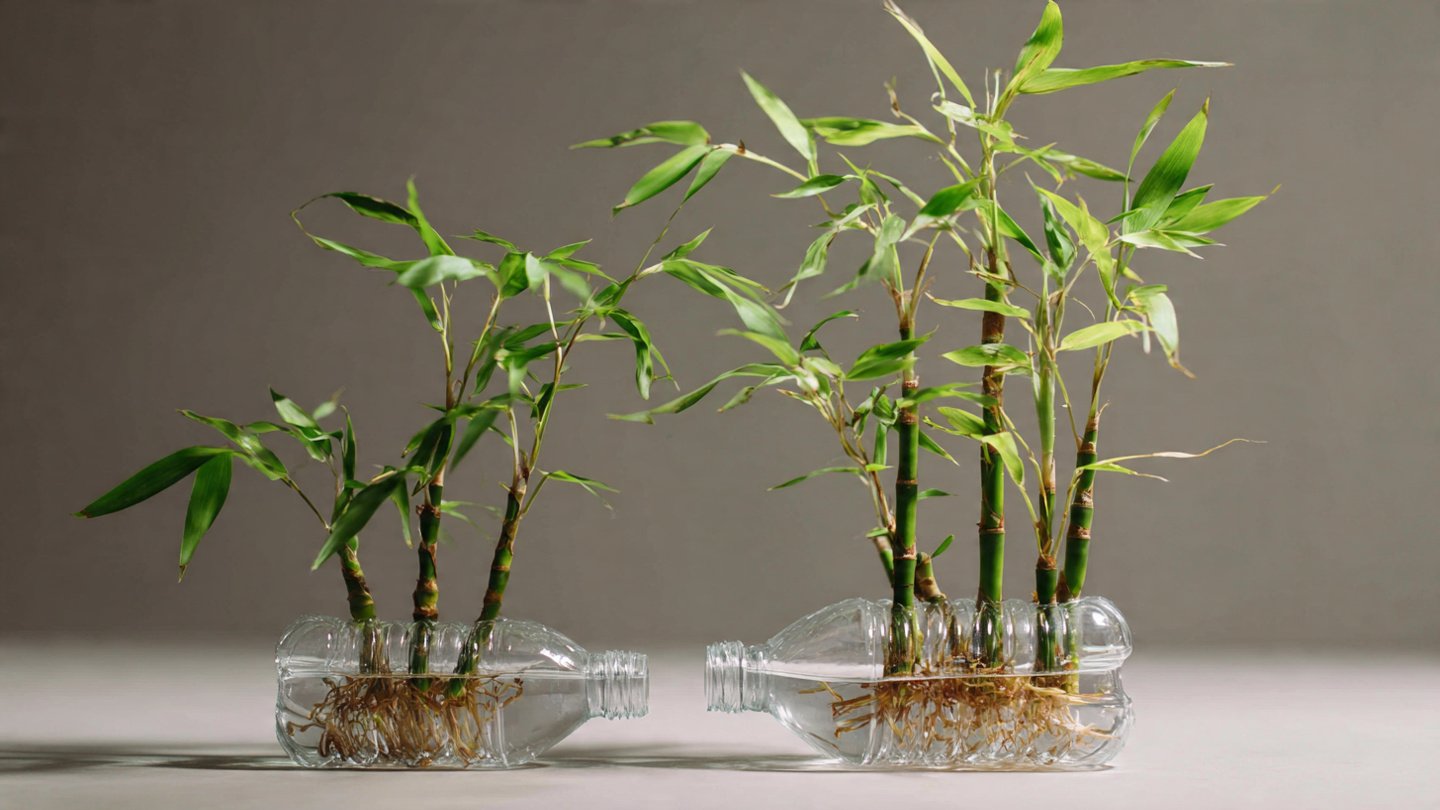
Bamboo is one of the most versatile and attractive plants you can grow at home. Its fast growth, elegant appearance, and eco-friendly benefits make it a favorite among gardeners, landscapers, and home decor enthusiasts. Beyond its aesthetic appeal, bamboo is useful for construction, crafting, and even soil erosion control. One of the best things about bamboo is that it can be propagated easily, allowing gardeners to multiply their plants without purchasing new ones.
While traditional propagation methods like rhizome division or cuttings work well, there is a little-known, effortless technique using plastic bottles that makes bamboo propagation simple, effective, and environmentally friendly. This method not only reduces the risk of transplant shock but also recycles plastic bottles, making it a sustainable gardening practice.
Why Propagate Bamboo at Home?
Propagating bamboo at home offers several advantages:
- Cost-Effective: Instead of buying new plants, you can multiply your existing bamboo.
- Faster Growth: Home-propagated bamboo can adapt quickly to your garden conditions.
- Control Over Plant Health: You can select healthy rhizomes or shoots to ensure robust new plants.
- Eco-Friendly: Recycling plastic bottles for propagation reduces waste.
Bamboo propagation is an excellent project for beginners and seasoned gardeners alike, offering both satisfaction and sustainable results.
Choosing the Right Bamboo for Propagation
Before starting, it’s important to choose a bamboo variety suitable for your propagation method and local climate. There are two main types of bamboo:
- Clumping Bamboo (Sympodial): Grows in tight clusters and is easier to control. Best for smaller gardens.
- Running Bamboo (Monopodial): Spreads quickly and can cover large areas. Requires careful management to avoid invasiveness.
Select healthy, disease-free plants with strong rhizomes or new shoots for propagation. Avoid using old, weak, or damaged rhizomes, as these are less likely to grow successfully.
Materials Needed
To propagate bamboo using plastic bottles, gather the following materials:
- Healthy bamboo shoots or rhizome sections (6–12 inches long)
- Plastic bottles (1–2 liters, preferably transparent)
- Sharp knife or scissors
- Water
- Soil or cocopeat for planting (optional)
Using clear plastic bottles allows you to monitor root growth and moisture levels, ensuring a successful propagation process.
Step-by-Step Guide to Propagating Bamboo in Plastic Bottles
Step 1: Prepare the Bamboo Cuttings
Select healthy bamboo shoots or rhizomes with at least 2–3 nodes (the joints along the stem). Nodes are where roots will emerge, so having multiple nodes increases the chance of successful propagation.
- Cut the bamboo using a sharp knife or scissors to avoid crushing the stem.
- Remove any leaves from the lower part of the cutting to prevent rot in water.
- Leave 1–2 leaves at the top to continue photosynthesis.
Step 2: Prepare the Plastic Bottle
- Take a clean plastic bottle and cut it in half.
- The bottom half will act as a container for water, while the top half can be inverted to create a mini greenhouse if desired.
- Fill the bottom half with clean water, enough to submerge the lower nodes of the bamboo cutting.
Step 3: Submerge the Bamboo Cutting
Place the prepared bamboo cutting in the water, ensuring that at least one or two nodes are submerged. These nodes are where roots will begin to develop.
- Keep the bottle in a warm, bright area with indirect sunlight.
- Avoid placing it in direct sunlight, which can overheat the water and damage the cutting.
- Change the water every 2–3 days to prevent stagnation and bacterial growth.
Step 4: Monitor Root Growth
Within 1–3 weeks, you should notice roots emerging from the submerged nodes. Root growth varies depending on bamboo species, temperature, and water quality.
- Transparent bottles make it easy to track root development without disturbing the cutting.
- Healthy roots are white and firm, while brown or soft roots indicate problems like rot or insufficient oxygen.
Step 5: Transplant to Soil
Once the roots are 2–4 inches long, the bamboo is ready to be transplanted into soil or a suitable growing medium.
- Use a well-draining mix of soil and compost or cocopeat for best results.
- Dig a small hole, place the rooted bamboo, and cover the roots gently with soil.
- Water immediately to settle the soil around the roots and provide initial hydration.
Step 6: Maintain the Young Bamboo
Newly transplanted bamboo requires careful attention:
- Water regularly, keeping the soil moist but not waterlogged.
- Provide partial shade during the first week to help the plant adjust.
- Gradually move the bamboo to full sunlight as it strengthens.
- Fertilize lightly with organic compost or balanced fertilizer after 2–3 weeks to encourage growth.
Advantages of Using Plastic Bottles
Using plastic bottles for bamboo propagation offers several unique benefits:
- Cost Savings: Plastic bottles are easily available and free to recycle.
- Root Visibility: Transparent bottles let you monitor root growth without disturbing the cutting.
- Controlled Environment: The bottle helps maintain water and humidity, reducing stress on the cutting.
- Sustainable Gardening: Repurposing bottles reduces plastic waste while supporting plant growth.
This method is ideal for urban gardeners, small balconies, or home gardeners with limited space, as it combines convenience with sustainability.
Common Mistakes to Avoid
While bamboo propagation in plastic bottles is simple, some common mistakes can reduce success rates:
- Submerging too many nodes: Only 1–2 nodes should be submerged. Too many nodes underwater can lead to rot.
- Stagnant water: Always change water every few days to prevent bacterial or fungal growth.
- Direct sunlight exposure: Plastic bottles can overheat in direct sunlight, damaging cuttings.
- Transplanting too early: Ensure roots are sufficiently long before moving to soil to prevent transplant shock.
- Overcrowding: Don’t place multiple cuttings in one bottle unless there is enough space for root growth.
Avoiding these mistakes ensures a higher success rate and healthier bamboo plants.
Scaling Up: Multiplying Bamboo for Your Garden
Once you master the plastic bottle method, you can multiply bamboo plants for larger gardens or community projects.
- Propagate multiple cuttings at the same time using several bottles.
- Consider gifting rooted bamboo plants to friends or neighbors to promote green spaces.
- Combine propagation with other sustainable practices, like composting and rainwater irrigation, to create an eco-friendly garden ecosystem.
Conclusion
Propagating bamboo at home doesn’t have to be complicated or expensive. Using plastic bottles for water propagation is a simple, effective, and sustainable method that allows anyone to multiply their bamboo plants with minimal effort. By selecting healthy cuttings, providing clean water, monitoring root growth, and transplanting carefully, you can enjoy a thriving bamboo garden that adds beauty, privacy, and environmental benefits to your home.
This method not only produces strong, healthy bamboo plants but also turns everyday plastic waste into a useful gardening tool. With patience and proper care, your bamboo collection can grow exponentially, creating lush green spaces and a sense of accomplishment. Whether you are an urban gardener or have a backyard oasis, bamboo propagation using plastic bottles is an easy, rewarding way to cultivate one of nature’s most versatile plants.