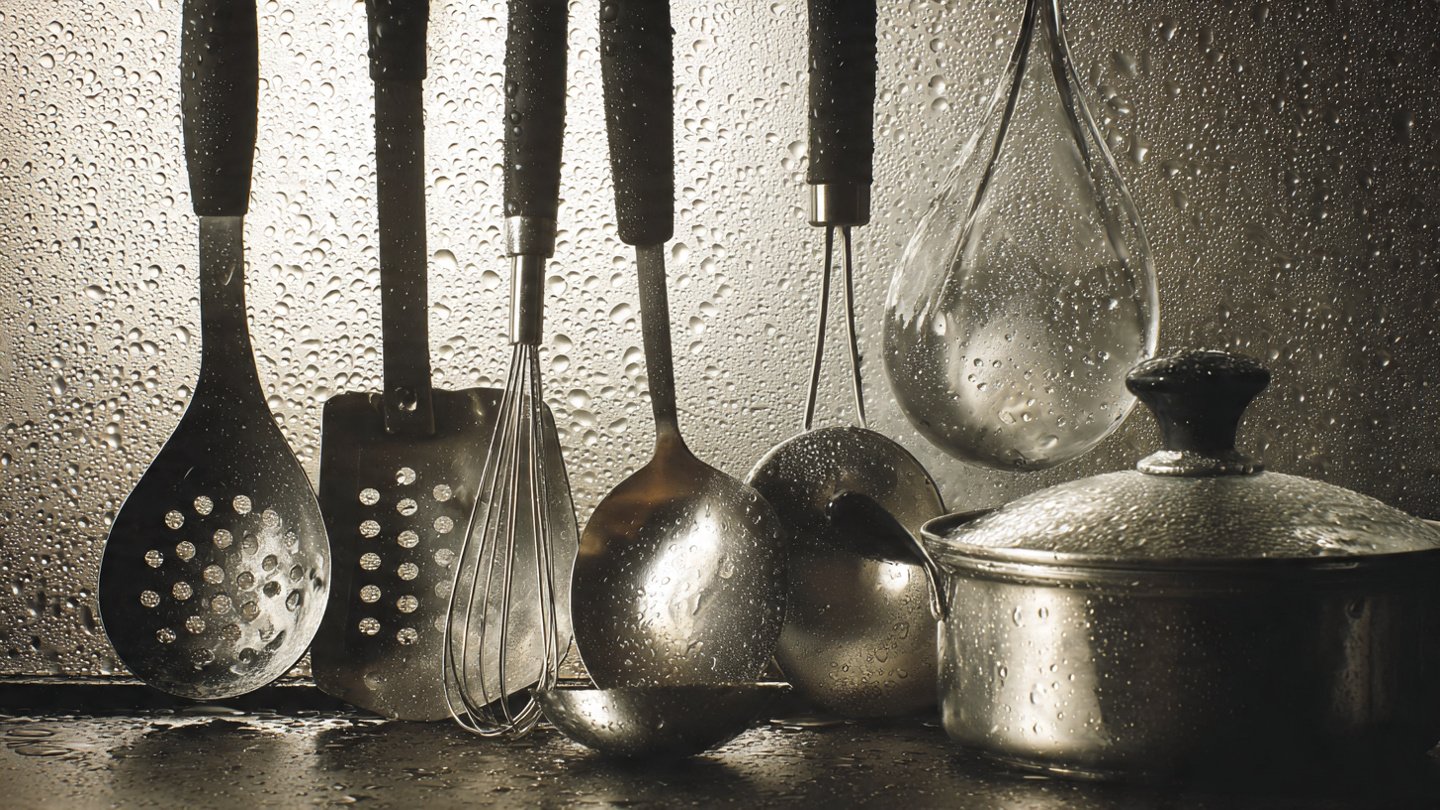
In every kitchen, cooking utensils are the unsung heroes that help us prepare meals efficiently and safely. From pots and pans to spoons, cutting boards, and knives, these tools are essential for daily culinary activities. However, the way we store and maintain them significantly impacts their lifespan, functionality, and the overall hygiene of our kitchen. One of the most overlooked yet harmful factors affecting kitchen utensils is prolonged moisture. Exposure to water or high humidity over extended periods can create serious problems, ranging from rust and bacterial growth to unpleasant odors and cross-contamination. Understanding the effects of moisture and how to prevent it is crucial for maintaining a clean, safe, and efficient kitchen.
How Prolonged Moisture Affects Cooking Utensils
1. Rust Formation on Metal Utensils
Metal utensils, particularly those made of iron, steel, or alloys, are highly susceptible to rust when exposed to prolonged moisture. Rust is not only unsightly but also weakens the structural integrity of the utensil. For instance, a rusty knife blade loses sharpness quickly, while a corroded pot or pan may develop holes over time, making it unsafe for cooking. Rust can also flake off into food, posing potential health risks if ingested.
Stainless steel utensils are more resistant to rust but are not entirely immune. Continuous exposure to water or damp environments, especially if cleaning residues or acidic substances like lemon juice or vinegar are left behind, can lead to pitting corrosion—a localized form of rust that appears as small holes or rough patches on the surface.
2. Degradation of Wooden Utensils
Wooden kitchen tools, such as cutting boards, spoons, and spatulas, react differently to prolonged moisture. When wood absorbs water, it swells and may develop cracks or warping, which compromises its durability and makes it harder to clean. Even more concerning is that these cracks provide an ideal breeding ground for bacteria and fungi, including harmful species like Salmonella or E. coli. Moist wood can also develop a musty odor and dark stains that are difficult to remove, reducing the aesthetic appeal and hygiene of your kitchen tools.
3. Bacterial and Fungal Growth
Moist environments are perfect for the growth of microorganisms. If utensils remain damp after washing, bacteria and fungi can multiply rapidly. This is especially problematic for items that come into direct contact with food, such as cutting boards, knives, and mixing bowls. Even small amounts of moisture left on a utensil can lead to biofilm formation—a thin, slimy layer of bacteria that is difficult to clean completely. Biofilms can harbor pathogens, making the utensils unsafe for use and increasing the risk of foodborne illnesses.
4. Damage to Non-Stick and Coated Surfaces
Non-stick pans and coated cookware are particularly sensitive to moisture over time. If water sits on these surfaces for long periods, it can weaken the coating and cause peeling or bubbling. Moisture trapped under the coating can also contribute to corrosion of the base metal, further reducing the life span of the cookware. Once the non-stick surface deteriorates, the utensils not only lose functionality but may release harmful compounds when heated.
5. Mold and Mildew on Plastic and Composite Materials
Plastic utensils, silicone spatulas, and composite cutting boards are not immune to the effects of prolonged moisture. Water trapped in crevices or joints can lead to mold or mildew growth, which can be difficult to detect visually in the early stages. Mold spores can contaminate food and cause respiratory problems or allergic reactions in sensitive individuals. Furthermore, moldy utensils often require replacement, adding unnecessary expense to kitchen maintenance.
Implications for Kitchen Hygiene
The effects of prolonged moisture extend beyond damage to utensils. A damp kitchen environment contributes to overall hygiene issues, potentially affecting food safety and the health of household members.
1. Increased Risk of Foodborne Illness
The accumulation of bacteria, fungi, and mold on wet utensils directly increases the risk of foodborne illnesses. For example, using a damp cutting board to prepare raw meat or vegetables can transfer pathogens to other foods, leading to cross-contamination. In households with young children, elderly members, or immunocompromised individuals, this risk is particularly concerning.
2. Unpleasant Odors and Stains
Moisture can cause utensils, especially wooden or plastic ones, to develop foul odors and discoloration. These odors are not just unpleasant; they indicate microbial activity and potential contamination. Persistent dampness in storage areas, such as drawers or utensil holders, can also create an overall musty smell in the kitchen, making it less inviting and less sanitary.
3. Pest Attraction
Damp and unclean utensils can attract pests such as cockroaches, ants, and flies, which thrive in moist environments and feed on organic residues. Pests introduce additional bacteria and allergens into the kitchen, further compromising hygiene and food safety.
Preventing Moisture-Related Damage
While moisture is unavoidable in kitchen activities, several preventive measures can minimize its impact on utensils and hygiene.
1. Thorough Drying After Washing
Always dry utensils immediately after washing. Use a clean towel or air-dry them on a well-ventilated rack. Avoid stacking wet utensils, as this traps moisture and creates a breeding ground for bacteria. For wooden tools, wiping with a dry cloth and allowing them to air-dry completely before storage is essential.
2. Proper Storage Solutions
Storage plays a crucial role in preventing moisture accumulation. Metal racks, slotted holders, or wall-mounted organizers allow airflow and prevent water from pooling. Avoid closed containers or drawers for damp utensils unless they are completely dry. Wooden or bamboo racks are excellent for promoting natural drying while keeping utensils organized.
3. Regular Maintenance and Treatment
- Metal Utensils: Apply a thin coat of food-safe oil on carbon steel or cast iron to prevent rust. Stainless steel items can be polished occasionally to remove any early signs of corrosion.
- Wooden Utensils: Treat with mineral oil or beeswax periodically to maintain moisture balance and prevent cracking. Avoid soaking wood in water for long periods.
- Non-Stick and Plastic Items: Inspect regularly for cracks, peeling, or discoloration. Replace any utensils that show signs of damage to maintain safety and hygiene.
4. Avoid Prolonged Soaking
Soaking utensils for extended periods, even in soapy water, can be detrimental, especially for wood and coated cookware. Short washes with immediate drying are more effective for maintaining hygiene and prolonging utensil life.
5. Use of Sanitizers and Vinegar Solutions
For added protection, occasional sanitation using vinegar or diluted bleach solutions can help kill bacteria and fungi. However, ensure that utensils are rinsed thoroughly afterward to remove chemical residues and dried completely before storage.
Signs That Moisture Has Affected Your Utensils
Being aware of the early signs of moisture-related damage can help prevent further issues:
- Rust spots or discoloration on metal utensils
- Warping, cracking, or splitting of wooden tools
- Persistent musty odors or stains
- Mold or mildew visible in crevices or corners
- Peeling or bubbling on non-stick surfaces
- Slimy or sticky texture indicating bacterial biofilm
Promptly addressing these signs can prevent more severe damage and ensure that your kitchen remains a safe and hygienic space.
Conclusion
Prolonged moisture is a silent threat in the kitchen that can compromise both your cooking utensils and overall hygiene. From rust and corrosion to bacterial growth and mold, the effects are wide-ranging and potentially hazardous. However, with proper care—including thorough drying, mindful storage, regular maintenance, and occasional sanitization—you can protect your utensils, extend their lifespan, and maintain a clean, safe kitchen environment. By paying attention to how moisture affects your kitchen tools, you not only safeguard your health but also ensure a more enjoyable and efficient cooking experience every day.