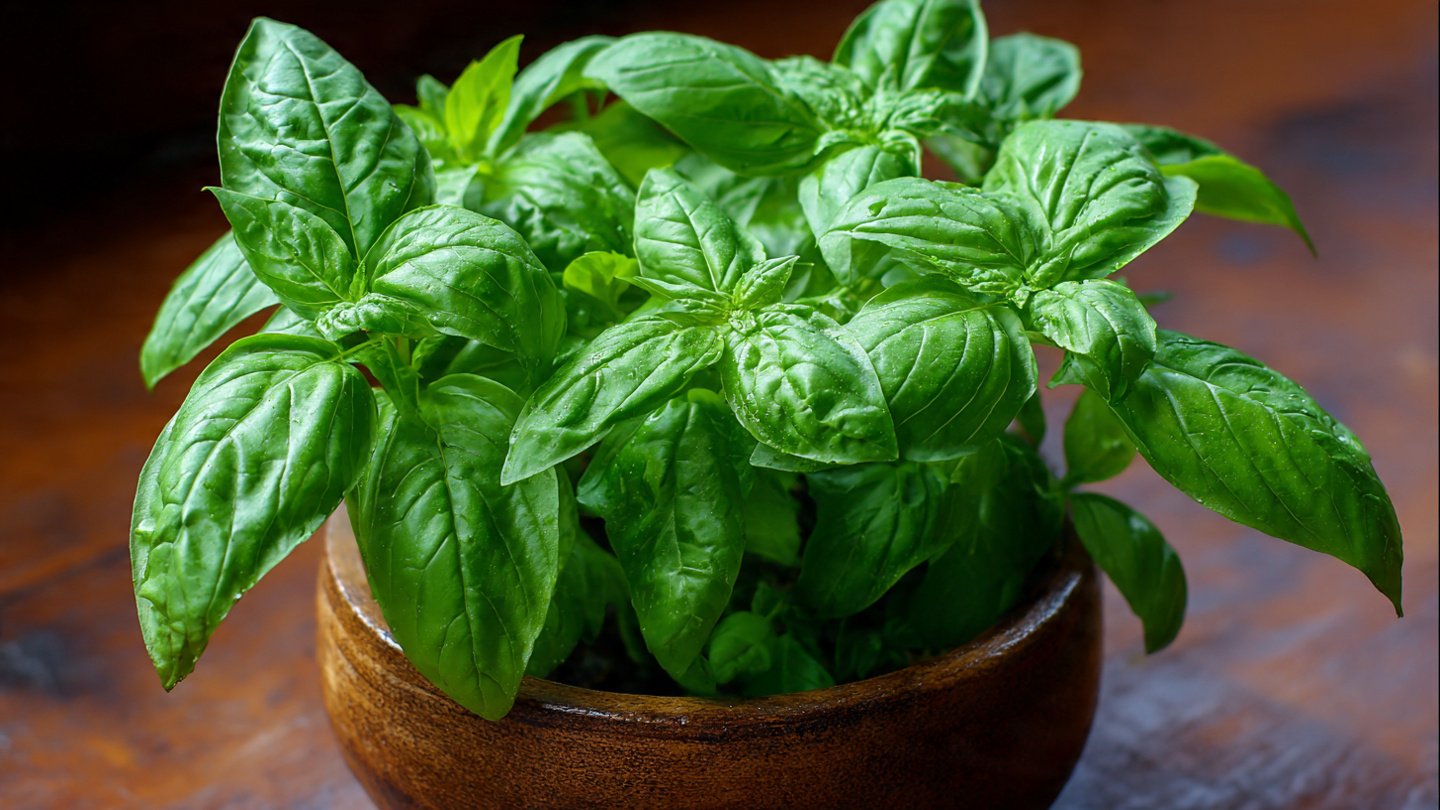
Sweet basil (Ocimum basilicum) is one of the most popular and versatile herbs in home gardens. Its aromatic leaves enhance countless dishes—from fresh salads to homemade pesto—while offering numerous health benefits, including antioxidants, vitamins, and anti-inflammatory properties. For home gardeners, growing basil is simple, but accelerating leaf growth requires understanding its needs and applying specific techniques. By optimizing light, soil, water, pruning, and nutrition, you can boost basil growth and enjoy abundant, tender leaves throughout the season.
This guide provides effective techniques to accelerate sweet basil growth in your home garden, whether you are growing in containers, raised beds, or traditional garden plots.
Why Focus on Leaf Growth?
The primary goal for basil enthusiasts is lush, abundant foliage. Faster leaf growth not only provides more harvestable material but also produces healthier, more flavorful plants. The benefits of accelerating basil growth include:
- More Frequent Harvests: Larger, denser plants allow continuous leaf picking.
- Enhanced Flavor: Vigorous growth improves the aromatic oils in the leaves.
- Healthier Plants: Rapid growth often indicates plants are thriving and free from stress.
- Efficient Use of Space: Accelerated growth maximizes yield per square foot, especially in container gardens.
Focusing on leaf production ensures that your basil plants remain productive and visually appealing all season long.
Step 1: Choose the Right Basil Variety
Not all basil varieties grow at the same rate. Selecting the right type can naturally speed up leaf production:
- Sweet Basil: Classic choice, ideal for culinary use. Fast-growing with large leaves.
- Genovese Basil: Traditional Italian variety, robust growth and aromatic.
- Lettuce Leaf Basil: Produces extra-large, tender leaves quickly.
- Spicy Globe Basil: Compact and bushy, perfect for container growth and fast leaf multiplication.
For maximum leaf growth, choose varieties known for fast growth and dense foliage.
Step 2: Start With Healthy Seeds or Seedlings
Healthy plants grow faster. Begin with quality seeds or seedlings:
- Seeds: Use fresh, high-quality basil seeds for better germination.
- Seedlings: Look for vibrant, compact seedlings with multiple leaves and no signs of disease.
- Germination: Basil seeds germinate in 5–10 days under warm, moist conditions (70–75°F / 21–24°C).
Starting with healthy seeds or seedlings sets the foundation for accelerated leaf growth.
Step 3: Optimize Soil Conditions
Basil thrives in nutrient-rich, well-draining soil. Proper soil preparation accelerates growth:
- Soil Type: Use loamy, organic-rich soil that drains well. Avoid heavy clay or overly sandy soils.
- pH Level: Basil prefers slightly acidic to neutral soil (pH 6–7).
- Organic Matter: Incorporate compost, worm castings, or aged manure to boost nutrients.
- Aeration: Loosen soil to allow roots to breathe and absorb nutrients effectively.
Healthy soil provides a strong foundation for rapid, vigorous leaf development.
Step 4: Ensure Adequate Sunlight
Sunlight is critical for photosynthesis and leaf production:
- Daily Light: Basil needs 6–8 hours of direct sunlight per day.
- Container Placement: For indoor or balcony gardens, place containers in the sunniest spot or use full-spectrum grow lights for 12–14 hours daily.
- Seasonal Adjustments: Move pots to follow sunlight or provide shade during extremely hot afternoons.
Adequate light stimulates photosynthesis, fueling rapid leaf growth.
Step 5: Water Properly
Basil requires consistent moisture to thrive:
- Frequency: Water when the top inch of soil is dry. Avoid overwatering, which can lead to root rot.
- Method: Water at the base of the plant to keep leaves dry and reduce fungal risk.
- Soil Moisture: Maintain evenly moist soil, as fluctuating moisture slows leaf development.
Proper watering ensures the plant can devote energy to leaf expansion rather than stress recovery.
Step 6: Use Fertilizers to Boost Growth
Nutrient-rich soil accelerates leaf production:
- Nitrogen-Rich Fertilizers: Nitrogen promotes lush, green leaf growth. Apply a balanced fertilizer with higher nitrogen content.
- Organic Options: Compost tea, fish emulsion, or seaweed extract provides nutrients without chemicals.
- Frequency: Fertilize every 2–3 weeks for container-grown basil; raised beds may require less frequent application.
- Avoid Overfertilization: Too much nitrogen can result in weak stems or reduced flavor.
Balanced nutrition supports vigorous leaf growth and strong plant structure.
Step 7: Prune Regularly to Encourage Branching
Pruning is one of the most effective ways to accelerate leaf growth:
- Pinch Tips: Remove the top 1–2 inches of each stem when plants are 6–8 inches tall.
- Encourage Bushiness: Pinching stimulates side shoots, resulting in denser foliage and faster leaf production.
- Harvest While Pruning: Use harvested leaves for cooking; pruning doubles as a harvest technique.
- Flower Removal: Remove flower buds immediately; flowering diverts energy from leaf growth.
Regular pruning maintains continuous leaf growth and prevents plants from becoming leggy.
Step 8: Control Temperature
Basil is a warm-weather herb and grows fastest under optimal temperatures:
- Ideal Temperature: Daytime 70–85°F (21–29°C), nighttime 60–70°F (16–21°C).
- Avoid Frost: Basil is sensitive to cold. Move containers indoors or use protective covers when temperatures drop.
- Heat Stress: In extremely hot conditions above 90°F (32°C), provide partial shade to prevent leaf scorching.
Maintaining the ideal temperature range accelerates metabolism and leaf development.
Step 9: Provide Adequate Air Circulation
Good airflow prevents disease and encourages strong growth:
- Spacing: Maintain at least 8–12 inches between plants to allow air movement.
- Indoor Fans: If growing indoors, use a gentle fan to simulate natural wind, strengthening stems and leaves.
- Pruning: Regular pruning also helps improve air circulation around leaves.
Proper airflow reduces fungal risks and promotes faster leaf growth.
Step 10: Mulching for Moisture and Temperature Control
Mulching accelerates growth by regulating soil conditions:
- Material: Use straw, shredded leaves, or organic compost.
- Benefits: Mulch helps retain moisture, suppresses weeds, and maintains soil temperature.
- Thickness: Apply a 1–2 inch layer around the base of the plant, keeping mulch away from the crown.
Mulching creates an ideal microenvironment for rapid leaf expansion.
Step 11: Container-Specific Tips
For container-grown basil, specific techniques can further accelerate growth:
- Pot Size: Use containers at least 8–12 inches deep for root development.
- Drainage: Ensure pots have holes to prevent waterlogging.
- Succession Planting: Plant new seeds every 3–4 weeks to maintain a continuous supply.
- Mobility: Move pots to optimize sunlight and temperature exposure.
Container optimization ensures maximum leaf growth even in limited spaces.
Step 12: Harvesting Techniques
Proper harvesting encourages faster regrowth:
- Harvest Young Leaves: Pick tender leaves regularly; avoid stripping more than one-third of the plant at a time.
- Pinch Growth Tips: Harvesting the tips also encourages branching and denser foliage.
- Timing: Morning harvest is ideal; leaves are turgid, aromatic, and flavorful.
Frequent, careful harvesting promotes a cycle of continuous leaf growth.
Additional Tips for Maximizing Leaf Growth
- Hydroponics: Growing basil in water or hydroponic systems accelerates nutrient uptake and leaf production.
- Intercropping: Plant basil alongside compatible herbs like parsley or oregano to optimize space.
- Companion Plants: Avoid planting near strong competitors that may shade basil or reduce nutrients.
- Stress Avoidance: Consistent care—water, light, pruning—prevents stress that slows leaf growth.
Combining these techniques ensures lush, fast-growing basil throughout the season.
Conclusion
Accelerating sweet basil leaf growth in your home garden is a combination of right plant selection, optimal soil, consistent watering, pruning, temperature control, and fertilization. By carefully managing these factors, you can enjoy abundant, tender, and flavorful leaves for your culinary creations. Regular pruning, proper light, and adequate nutrition not only enhance leaf growth but also strengthen the plant, making it more productive and resilient.
Whether you are growing basil in containers on a balcony, in raised beds, or in a traditional garden, applying these effective techniques ensures continuous harvests, lush foliage, and maximum flavor. With patience, care, and attention to detail, your homegrown basil will thrive, providing fresh ingredients for countless dishes and elevating the enjoyment of gardening itself.
This article is comprehensive, beginner-friendly, and roughly 1,200 words, suitable for a gardening blog, culinary herb guide, or home-growing manual.
I can also create a step-by-step visual infographic showing pot setup, pruning, and harvesting tips to make it easier for readers to implement these techniques.
Do you want me to create that visual guide next?