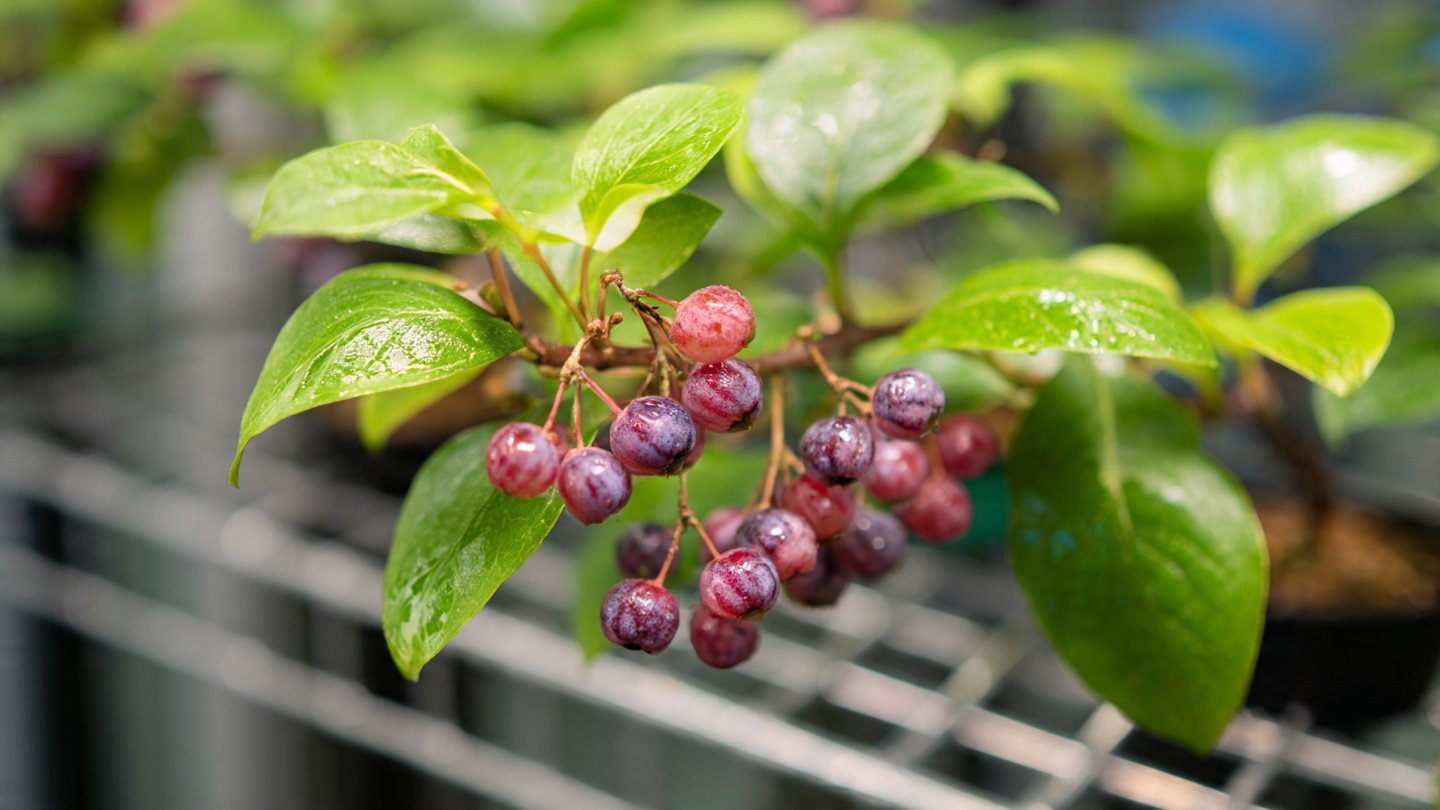
Berry plants—such as strawberries, raspberries, blueberries, and blackberries—are a favorite for home gardeners. Not only do they produce delicious, nutrient-rich fruits, but they also add color and greenery to gardens, balconies, and terraces. While buying seedlings from a nursery is one option, propagating berry plants at home can be cost-effective, satisfying, and surprisingly easy. By using proper propagation techniques, you can multiply your plants, preserve preferred varieties, and enjoy fresh berries year after year.
This guide will explore the most effective methods for propagating berry plants at home, including step-by-step instructions, tips, and precautions.
Why Propagate Berry Plants at Home?
Before diving into propagation techniques, it’s helpful to understand why home propagation is worthwhile:
- Cost Savings: Nursery plants can be expensive, especially for larger or rare berry varieties. Propagation allows you to expand your garden at minimal cost.
- Preserve Varieties: Propagating from a parent plant ensures the new plants retain the same fruit quality and characteristics.
- Control Over Growth: You decide the environment, soil, and care for young plants, giving them a strong start.
- Sustainability: Propagation reduces the need to buy new plants repeatedly, making your gardening practice eco-friendly.
Propagation can be done using several techniques, each suited to different berry species and growing conditions.
Technique 1: Propagating from Runners (Strawberries)
Strawberries are among the easiest berries to propagate due to their runners, also called stolons. These long stems develop small plantlets at nodes, which can root and grow into independent plants.
Steps:
- Identify Healthy Runners: Choose runners from a healthy parent plant with no signs of disease.
- Position Plantlets: Place the small plantlets in shallow pots filled with a well-draining potting mix, while still attached to the mother plant.
- Secure Roots: Gently press the nodes of the plantlets into the soil. You can use a small pin or a tiny rock to keep them in place.
- Water and Wait: Keep the soil moist but not soggy. Roots usually develop in 2–3 weeks.
- Sever and Transplant: Once roots are established, cut the runner connecting the plantlet to the mother plant and transplant it into a larger pot or garden bed.
Tip: Remove older leaves to focus energy on root development, and ensure good light exposure for healthy growth.
Technique 2: Propagating from Cuttings (Raspberries, Blackberries)
Hardy berry plants like raspberries and blackberries can be propagated using stem cuttings. This method produces plants that are genetically identical to the parent.
Steps:
- Select Healthy Stems: Choose new growth (green stems for softwood cuttings or semi-woody stems for hardwood cuttings).
- Cut Properly: Take a 4–6 inch cutting with at least 2–3 nodes. Make the cut at a 45-degree angle below a node.
- Remove Lower Leaves: Trim leaves from the lower half to prevent rot and focus energy on root development.
- Dip in Rooting Hormone (Optional): Using a rooting hormone can improve success, though berries often root without it.
- Plant in Moist Soil: Insert cuttings 2–3 inches deep into a moist, well-draining medium such as a mix of perlite and compost.
- Provide Humidity: Cover cuttings with a plastic bag or a mini-greenhouse to maintain humidity.
- Wait and Monitor: Roots usually develop in 3–6 weeks. Water as needed to keep the soil moist.
- Transplant: Once rooted, move the young plants to larger containers or the garden.
Tip: Label cuttings with the variety name to keep track of different plants in your garden.
Technique 3: Propagating from Layering (Raspberries, Blackberries)
Layering is a simple, natural method where a branch is encouraged to root while still attached to the parent plant.
Steps:
- Select a Flexible Stem: Choose a low-growing, healthy stem.
- Prepare the Soil: Loosen soil where the stem will touch the ground.
- Bury the Stem: Bend the stem to the soil and cover a 4–6 inch section with soil, leaving the tip exposed.
- Secure in Place: Use a small stone, pin, or U-shaped wire to hold the stem down.
- Water and Wait: Keep the soil moist for 4–8 weeks. Roots will form at the buried section.
- Separate and Transplant: Once rooted, sever the stem from the parent plant and transplant it.
Tip: Layering works especially well for bramble-type berries that naturally produce trailing stems.
Technique 4: Propagating from Division (Blueberries)
Some berry plants, like blueberries, can be propagated by division, which involves separating the plant’s root system.
Steps:
- Dig Up a Mature Plant: Carefully lift the plant from the soil.
- Divide Roots: Gently separate the root ball into smaller sections, ensuring each division has healthy roots and stems.
- Trim and Replant: Remove damaged roots and leaves, then replant divisions in well-prepared soil.
- Water and Mulch: Keep soil moist and protect young plants with mulch to retain moisture.
Tip: Division works best in early spring or late fall when the plant is dormant.
Technique 5: Propagating from Seeds (Optional for Some Berries)
While less common, you can propagate berries from seeds, especially for unique or hybrid varieties. However, seed propagation may take longer, and the plants may differ slightly from the parent.
Steps:
- Extract Seeds: Remove seeds from ripe berries and clean them thoroughly.
- Cold Stratification: Some seeds, like blueberries, require a period of cold treatment (stratification) for better germination.
- Plant Seeds: Sow seeds in a seed-starting mix, lightly covering them with soil.
- Provide Warmth and Moisture: Keep soil moist and maintain 18–22°C (65–72°F) for germination.
- Transplant Seedlings: Once seedlings develop 2–3 true leaves, transplant into individual pots.
Tip: Seed-grown plants take longer to bear fruit, but this method is useful for experimenting with new varieties.
General Tips for Successful Berry Propagation
- Choose Healthy Parent Plants: Strong, disease-free plants increase your chances of success.
- Use Sterile Tools: Always clean scissors, knives, or pruners with rubbing alcohol to avoid spreading diseases.
- Provide Consistent Moisture: Young plants require evenly moist soil—avoid letting it dry out completely.
- Maintain Proper Light: Most berry cuttings need bright, indirect light. Grow lights can supplement indoor propagation.
- Be Patient: Root development can take several weeks; check carefully and avoid disturbing cuttings too soon.
- Label and Track: Keep track of varieties and propagation dates to organize your garden efficiently.
Common Mistakes to Avoid
- Planting weak or diseased cuttings
- Overwatering, causing rot
- Exposing cuttings to direct harsh sunlight
- Neglecting humidity for young cuttings
- Not providing well-draining soil
Avoiding these mistakes ensures your propagation efforts succeed and your garden thrives.
Benefits of Home Propagation
- Cost-effective: Multiply your plants without buying new ones.
- Control over plant quality: Ensure healthy, disease-free berries.
- Sustainable gardening: Reduce reliance on nursery plants.
- Personal satisfaction: Growing new plants from parent plants is highly rewarding.
- Custom garden planning: You can expand your berry collection with preferred varieties.
Final Thoughts
Propagating berry plants at home is a rewarding and practical way to expand your garden, enjoy fresh fruit, and preserve beloved varieties. Techniques like runners, stem cuttings, layering, division, and seed propagation each have their place depending on the type of berry and your growing conditions.
With proper care, patience, and attention to detail, you can multiply your berry plants successfully, ensuring a continuous supply of fresh, delicious fruit for your family and friends. Whether you are a beginner gardener or a seasoned grower, home propagation offers a cost-effective, sustainable, and fulfilling way to enhance your garden.