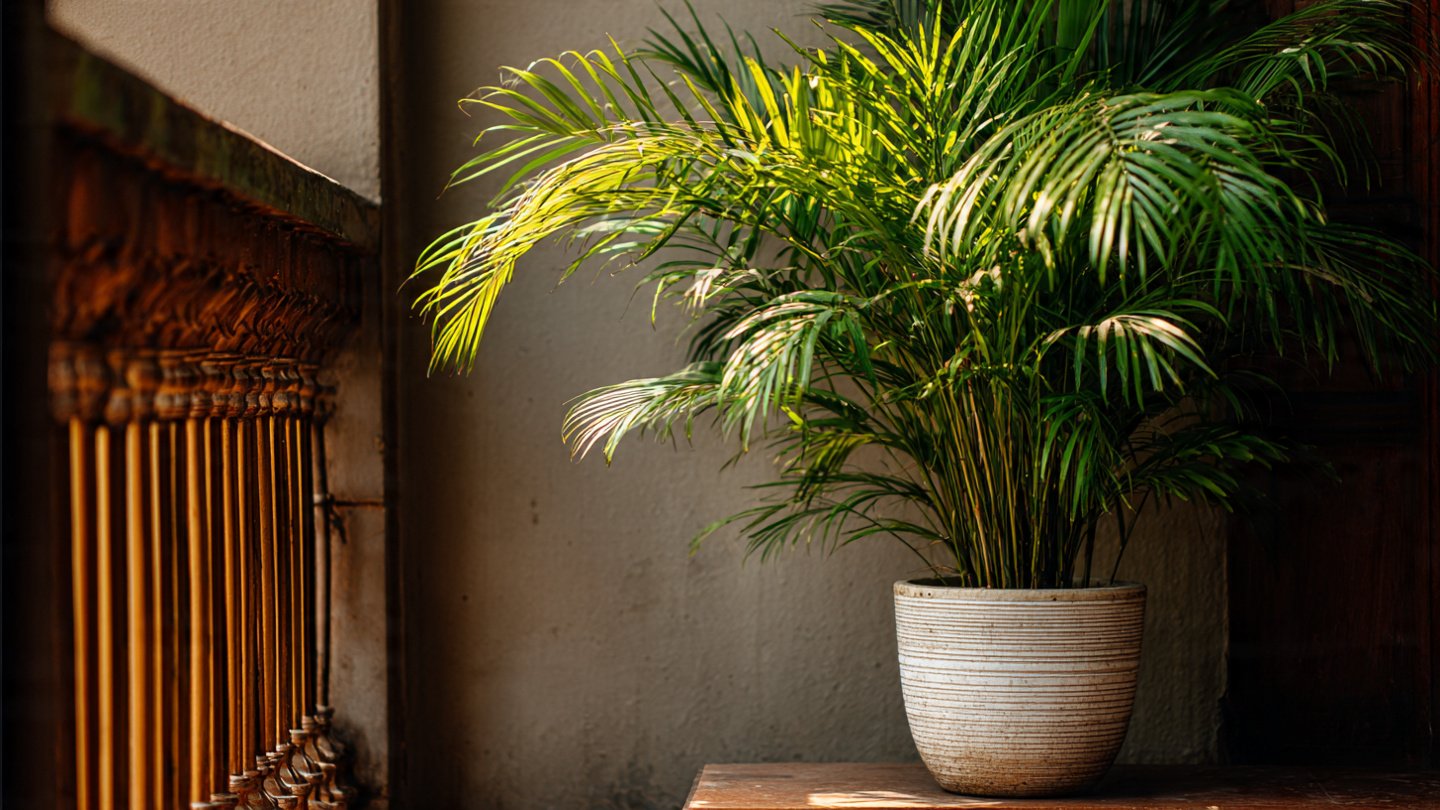
The Areca Palm, also known as Dypsis lutescens or Butterfly Palm, is a favorite among indoor and outdoor plant enthusiasts. Known for its elegant, feathery fronds and lush tropical appearance, it not only adds aesthetic value but also serves as a natural air purifier. However, one common challenge for Areca Palm owners is brown tips on the leaves, which can detract from its beauty. Fortunately, with proper care techniques, you can encourage healthy growth while preventing brown tips. This comprehensive guide walks you through effective strategies for maintaining a vibrant, thriving Areca Palm.
Understanding Areca Palm Growth and Common Issues
The Areca Palm is a clumping palm with multiple stems and graceful, arching fronds. While relatively hardy, it is sensitive to:
- Watering inconsistencies
- Nutrient deficiencies
- Low humidity
- Excess salts in soil or water
Brown leaf tips often indicate stress, commonly caused by overwatering, underwatering, low humidity, or high fertilizer concentration. Understanding these factors is key to achieving a healthy, lush Areca Palm.
Choosing the Right Location
Proper placement plays a crucial role in the overall health of your Areca Palm:
- Light: Areca Palm thrives in bright, indirect light. Avoid direct midday sun, which can scorch the leaves, causing brown tips.
- Indoor placement: Near east or north-facing windows is ideal, providing moderate light without harsh rays.
- Outdoor placement: If grown outdoors, provide partial shade, especially in hot climates.
- Air circulation: Ensure good air movement to prevent fungal issues but avoid placing it in drafty areas.
Proper location reduces stress on the plant and promotes vigorous growth and greener fronds.
Soil Requirements for Healthy Areca Palm
The right soil mix is essential for preventing brown tips and promoting growth:
- Well-draining soil: A mixture of potting soil, sand, and perlite or coco peat ensures proper drainage.
- pH level: Areca Palm prefers slightly acidic to neutral soil, around 6.0–7.0 pH.
- Nutrient content: Incorporate compost or organic matter to improve soil fertility and structure.
Well-draining, nutrient-rich soil prevents root rot and salt buildup, which are common causes of brown leaf tips.
Watering Techniques
Watering plays a critical role in Areca Palm health:
- Consistency: Maintain evenly moist soil but avoid waterlogging.
- Method: Water the soil directly, avoiding wetting the leaves, which can cause fungal problems.
- Signs of stress: Brown tips often result from underwatering or inconsistent watering schedules.
- Frequency: Generally, water every 5–7 days, adjusting for temperature and humidity.
Proper watering promotes deep root growth and ensures that fronds remain vibrant and healthy.
Humidity and Temperature Control
Areca Palm originates from tropical regions, making humidity and temperature important factors:
- Ideal humidity: 50–60% or higher prevents leaf tip desiccation. Use humidifiers, pebble trays, or misting for indoor palms.
- Temperature range: Maintain 18–28°C (65–82°F). Avoid cold drafts, which can cause stress and brown tips.
- Seasonal adjustment: Reduce watering slightly during winter when growth slows, but maintain adequate humidity.
Maintaining proper humidity prevents frond dehydration, one of the leading causes of brown tips.
Fertilization Practices
Fertilizing Areca Palm correctly encourages lush growth and minimizes tip burn:
- Use a balanced palm fertilizer containing nitrogen, potassium, and magnesium.
- Frequency: Fertilize every 2–3 months during the growing season (spring and summer).
- Avoid over-fertilization, which can lead to salt buildup and leaf tip browning.
- Consider slow-release fertilizers or organic options like compost tea for safer, steady nutrition.
Proper feeding ensures the plant receives essential nutrients while avoiding fertilizer-related stress.
Pruning and Maintenance
Pruning is a crucial technique for maintaining a healthy Areca Palm:
- Remove yellow or brown fronds at the base using sterilized scissors.
- Avoid cutting green tips; only prune fully dead fronds.
- Regularly remove debris around the base to improve airflow and reduce pests.
Pruning prevents energy waste on damaged fronds, encouraging the palm to focus on healthy growth.
Managing Pests and Diseases
Although hardy, Areca Palms are susceptible to pests if stressed:
- Spider mites: Common in dry indoor conditions. Increase humidity and spray with water or neem oil.
- Mealybugs and scale insects: Wipe leaves with alcohol-soaked cotton or use insecticidal soap.
- Fungal infections: Brown tips may worsen with fungal growth. Maintain airflow and avoid leaf wetting.
Early intervention keeps your Areca Palm healthy and prevents widespread damage.
Preventing Brown Leaf Tips
Brown tips are usually caused by environmental stress or nutrient issues. Effective prevention strategies include:
- Consistent watering: Avoid drought stress or waterlogging.
- Proper humidity: Use misting or pebble trays in dry climates or during winter.
- Quality soil: Well-draining, nutrient-rich soil prevents salt accumulation.
- Controlled fertilization: Use slow-release fertilizers and avoid overfeeding.
- Avoid harsh light: Protect from direct afternoon sun to prevent scorching.
- Clean water: Avoid tap water high in chlorine or fluoride; rainwater or filtered water is ideal.
By addressing these factors, you can minimize brown tips and maintain fronds’ lush green appearance.
Repotting Techniques
Repotting promotes healthy root development and prevents brown tips:
- Frequency: Every 2–3 years or when roots outgrow the pot.
- Pot size: Increase diameter by 2–3 inches to accommodate growth.
- Soil refresh: Use a fresh mix of well-draining soil with organic matter.
- Avoid damaging roots during repotting, as trauma can cause frond browning.
Repotting ensures that your Areca Palm continues to thrive and produce full, green foliage.
Additional Tips for Vibrant Growth
- Rotate the plant occasionally for even light exposure on all sides.
- Monitor for environmental stress like sudden temperature drops or drafts.
- Use mulch on outdoor palms to retain soil moisture and moderate temperature.
- Inspect fronds regularly and remove damaged leaves promptly.
- Group indoor palms together for higher humidity levels.
These simple techniques significantly improve overall health and reduce brown tips with minimal effort.
Benefits of Healthy Areca Palm Growth
- Air purification: Removes toxins like formaldehyde, benzene, and trichloroethylene.
- Decorative appeal: Adds tropical elegance to indoor and outdoor spaces.
- Longevity: Healthy palms can thrive for decades with proper care.
- Low maintenance: Once established, Areca Palms are relatively easy to maintain compared to other houseplants.
A well-cared-for Areca Palm becomes both a visual and functional asset to any home or garden.
Conclusion
Promoting healthy growth of Areca Palm while preventing brown tips is achievable with proper care and attention. By understanding the plant’s needs—light, water, soil, humidity, and nutrients—you can enjoy a lush, vibrant palm that enhances your space.
Key takeaways:
- Provide bright, indirect light and maintain consistent temperatures.
- Use well-draining, nutrient-rich soil and containers with proper drainage.
- Maintain consistent watering and humidity levels to prevent leaf tip browning.
- Fertilize appropriately with balanced nutrients, avoiding overfeeding.
- Prune damaged fronds and maintain cleanliness around the plant.
- Monitor for pests and diseases and treat promptly.
- Repot every 2–3 years to refresh soil and encourage root growth.
With these effective techniques, your Areca Palm will thrive, remain vibrant, and free of unsightly brown tips, giving you years of tropical beauty and natural air-purifying benefits.