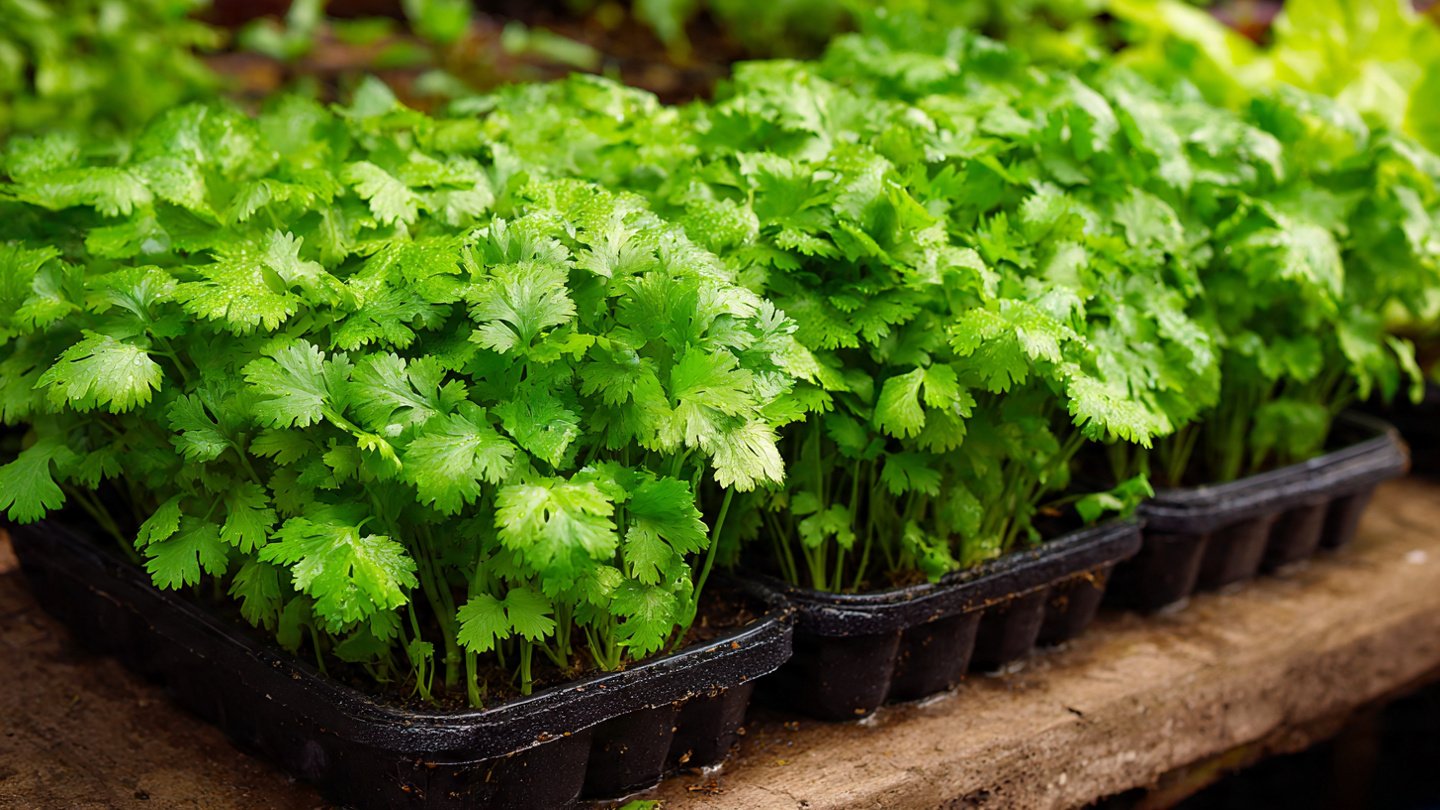
Coriander, also known as cilantro, is a beloved herb in kitchens worldwide. Its fresh, citrusy flavor elevates salsas, curries, salads, and teas. While many people grow coriander in garden beds or pots, cultivating it in a tray at home is an excellent solution for urban dwellers, apartment gardeners, or anyone with limited space. Growing coriander in a tray is not only space-efficient but also allows for easy access to fresh leaves year-round.
If done correctly, coriander can thrive in a tray indoors or on a balcony, providing a continuous supply of aromatic, flavorful leaves. This guide explores effective strategies for successfully growing coriander in a tray at home, from seed selection to harvesting and care techniques.
1. Choosing the Right Coriander Variety
The first step in successful coriander cultivation is selecting the appropriate variety:
- Slow-bolting varieties: Some coriander types are prone to bolting (flowering and going to seed) quickly, especially in warm conditions. Varieties such as ‘Santo’ and ‘Leisure’ are slow-bolting, making them ideal for tray cultivation.
- Leaf vs. seed varieties: Some coriander cultivars are grown mainly for their leaves, while others are intended for seeds. For tray growth and continuous leaf harvest, focus on leafy varieties.
- Flavor considerations: Different varieties vary slightly in aroma and taste, so choose one that complements your culinary preferences.
Selecting the right variety from the start saves time and ensures better yield and leaf quality.
2. Choosing the Right Tray
A good tray is essential for growing coriander successfully. Here’s what to consider:
- Tray size: A shallow tray 2–3 inches deep works for seedlings, but a tray 4–6 inches deep is ideal for mature coriander plants. Deeper trays allow better root development.
- Drainage: Ensure the tray has drainage holes. Coriander does not tolerate waterlogged soil, which can lead to root rot. If using a tray without holes, add a layer of pebbles at the bottom for drainage.
- Material: Plastic trays are lightweight and inexpensive, while ceramic trays retain moisture well. Any tray that holds soil securely and allows drainage is suitable.
Proper tray selection lays the foundation for healthy root growth and abundant leaf production.
3. Selecting the Right Soil
Coriander prefers nutrient-rich, well-draining soil:
- Potting mix: Use a light, airy potting mix suitable for herbs or vegetables. Avoid garden soil, which may compact in trays and hinder root development.
- Organic matter: Incorporate compost or well-rotted organic matter to improve fertility and soil structure.
- Moisture retention: A mix with coco coir or peat moss helps retain moisture without becoming soggy.
Healthy soil ensures your coriander roots receive adequate nutrients and oxygen, which is critical in a confined tray environment.
4. Sowing Coriander Seeds in a Tray
Sowing seeds correctly is key to a uniform and productive coriander tray:
- Soak seeds (optional): Soaking seeds for 12–24 hours before sowing can improve germination rates.
- Fill the tray with soil: Leave about half an inch from the top for watering. Firm lightly but don’t compact.
- Sow seeds evenly: Scatter seeds evenly across the tray, or plant in rows with spacing about 1 inch apart.
- Cover seeds lightly: Sprinkle a thin layer (¼–½ inch) of soil over the seeds.
- Water gently: Use a fine mist or gentle spray to moisten the soil without washing seeds away.
Sowing correctly ensures even germination and prevents overcrowding, which can lead to weak seedlings.
5. Providing Optimal Light
Light is crucial for healthy coriander growth:
- Sunlight: Place the tray in a location with at least 4–6 hours of sunlight daily. A south-facing windowsill works best.
- Artificial light: If natural light is limited, use full-spectrum LED grow lights for 10–12 hours per day. Keep the light about 6–12 inches above the tray.
- Rotation: Turn the tray occasionally to ensure even growth and prevent seedlings from leaning toward the light.
Sufficient light keeps coriander leaves vibrant, flavorful, and strong, preventing leggy, weak plants.
6. Watering Your Coriander Tray
Proper watering is essential to prevent both drought stress and root rot:
- Keep soil consistently moist: Water when the top layer of soil feels dry to the touch.
- Avoid overwatering: Trays drain quickly, but excess water can still lead to soggy roots. Use a tray with holes or a layer of gravel at the bottom to improve drainage.
- Humidity considerations: Indoors, the air can be dry. Mist leaves occasionally to maintain humidity and prevent the soil from drying too quickly.
Consistent moisture encourages fast, steady growth and keeps leaves tender and flavorful.
7. Thinning Seedlings
Coriander seedlings grow quickly, but overcrowding can lead to poor air circulation and weak growth:
- Thin seedlings: When seedlings reach 2–3 inches tall, thin them by snipping weaker plants at soil level, leaving about 2–3 inches between the remaining plants.
- Air circulation: Proper spacing reduces the risk of fungal diseases and promotes strong, healthy stems.
Thinning is essential to maximize leaf production and maintain a tidy, manageable tray.
8. Fertilizing for Continuous Growth
Trays have limited soil, so coriander benefits from regular feeding:
- Liquid fertilizer: Apply a diluted, balanced liquid fertilizer every 2–3 weeks to replenish nutrients.
- Organic alternatives: Compost tea or fish emulsion provides natural nutrients for continuous growth.
- Moderation: Over-fertilization can cause excessive leaf growth with reduced flavor, so follow recommended dosages.
Regular feeding ensures your tray-grown coriander remains lush, flavorful, and productive.
9. Pruning and Harvesting
Proper harvesting encourages continuous leaf growth:
- Harvest leaves selectively: Snip outer leaves first, leaving inner leaves intact to continue growing.
- Pinch tips: Regularly pinch the tops of stems to promote bushier growth and prevent bolting.
- Avoid overharvesting: Never remove more than one-third of the plant at a time, as this stresses the seedlings.
By harvesting and pruning regularly, you can enjoy a continuous supply of fresh coriander for weeks or even months.
10. Managing Common Problems
Even in trays, coriander can face challenges. Here’s how to address them:
- Leggy seedlings: Caused by insufficient light. Increase light exposure or use grow lights.
- Yellowing leaves: Can result from overwatering or nutrient deficiencies. Adjust watering and fertilize appropriately.
- Pests: Aphids and fungus gnats can appear in indoor trays. Use natural remedies like neem oil or insecticidal soap.
- Bolting: High temperatures or stress can cause coriander to flower prematurely. Keep the tray in a cooler spot and pinch back tips to delay flowering.
Monitoring your tray closely helps prevent minor problems from becoming major issues.
11. Extending Your Harvest
Coriander is best harvested continuously rather than all at once:
- Succession planting: Sow new seeds every 2–3 weeks to maintain a continuous supply.
- Rotate trays: If you have multiple trays, stagger planting times for steady harvesting.
- Indoor microclimate: Maintain consistent light, temperature, and moisture to extend growth periods.
With proper planning, you can have fresh coriander available year-round, enhancing your culinary creations.
Conclusion
Growing coriander in a tray at home is an effective and rewarding way to enjoy fresh, flavorful herbs regardless of space limitations. From selecting the right variety and container to providing optimal soil, light, watering, and pruning, each step contributes to a healthy, productive tray.
Tray cultivation is perfect for urban gardens, kitchens, and balconies, allowing gardeners to grow coriander indoors or outdoors with minimal effort. By using these strategies—proper sowing, thinning, fertilizing, harvesting, and managing challenges—you can cultivate a lush, vibrant tray of coriander that supplies fresh leaves for weeks on end.
Whether you are a seasoned gardener or a beginner, growing coriander in a tray is accessible, sustainable, and highly satisfying. With consistent care and attention, your tray-grown coriander will thrive, ensuring your dishes are always enhanced with the aromatic, zesty flavor of homegrown herbs