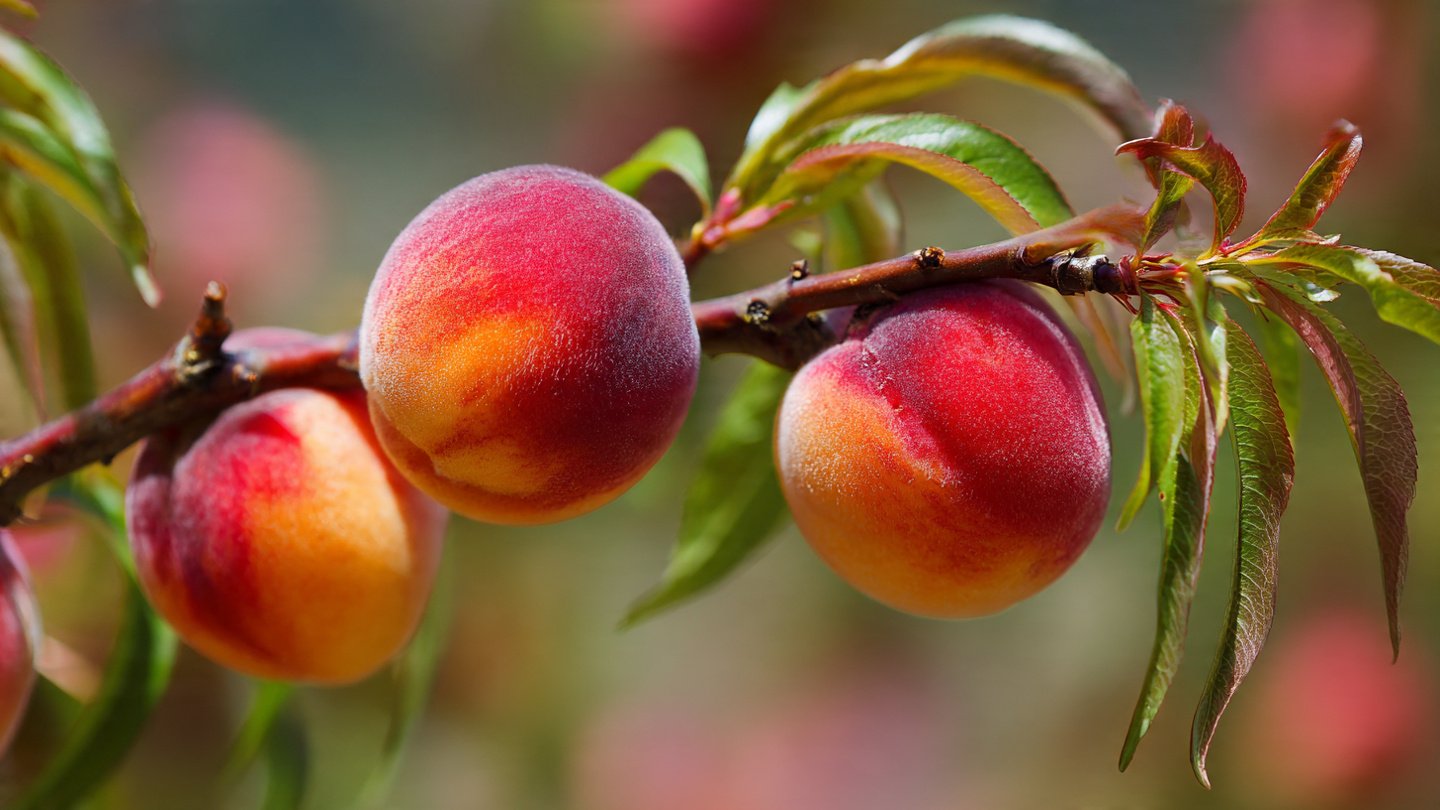
Peach trees, with their sweet, juicy fruits and beautiful spring blossoms, are a favorite among home gardeners. Traditionally grown in orchards or garden beds, peach trees can also thrive in containers, making them ideal for small spaces, patios, or balconies. Growing peaches in containers is not only possible for beginners but also a rewarding way to enjoy fresh, homegrown fruit without a large garden. With the right techniques, soil, and care, even novice gardeners can cultivate thriving container peach trees. This guide will provide easy, step-by-step methods to grow healthy peach trees in containers successfully.
Why Grow Peach Trees in Containers?
Growing peach trees in containers offers several advantages:
- Space-Saving: Ideal for apartments, patios, and small yards where garden space is limited.
- Mobility: Containers allow you to move the tree to optimal sunlight, protect it from harsh weather, or even bring it indoors during winter.
- Pest and Disease Management: Container gardening reduces exposure to soil-borne diseases and makes it easier to monitor and control pests.
- Early Fruiting: Many container-friendly peach varieties are dwarf or semi-dwarf, producing fruit within 2–3 years.
- Decorative Value: Peach trees in containers add beauty to any balcony, patio, or porch with their lush green leaves and pink blossoms.
With these benefits, container peach gardening is a practical and attractive option for beginners.
Step 1: Choose the Right Peach Variety
Selecting the correct variety is crucial for container success:
- Dwarf or Semi-Dwarf Varieties: Look for varieties like ‘Bonanza,’ ‘Garden Gold,’ or ‘Pix Zee’ which stay compact but produce full-size fruit.
- Self-Pollinating Varieties: Choose self-pollinating peach trees to simplify fruit production without requiring a second tree for cross-pollination.
- Cold-Hardy Varieties: Depending on your climate, select varieties that can withstand occasional frost or cold snaps.
Choosing the right variety ensures manageable growth, higher yield, and a better chance of success for beginners.
Step 2: Select a Suitable Container
Container choice is one of the most critical factors in growing peach trees successfully:
- Size: Start with a container at least 18–24 inches in diameter and depth for young trees. As the tree grows, upgrade to a 24–30 inch container to accommodate root expansion.
- Material: Plastic, ceramic, or wooden containers are suitable. Plastic is lightweight and easy to move, while ceramic and wood provide stability and better insulation.
- Drainage: Ensure the container has multiple drainage holes. Excess water can lead to root rot, so proper drainage is essential.
A well-chosen container provides a healthy environment for roots to thrive, supporting overall growth and fruiting.
Step 3: Prepare the Soil Mix
Peach trees prefer well-draining, fertile soil. A carefully prepared container mix is crucial:
- Soil Composition: Mix 2 parts potting soil, 1 part compost, and 1 part perlite or coarse sand for optimal drainage and aeration.
- pH Level: Maintain slightly acidic to neutral soil with a pH of 6.0–7.0.
- Fertility: Incorporate organic matter such as well-rotted manure or compost to provide essential nutrients.
Avoid using garden soil alone, as it may compact in containers and hinder root development.
Step 4: Planting Your Container Peach Tree
Whether planting a young sapling or bare-root peach tree, proper planting technique ensures healthy establishment:
- Fill Container: Add the soil mix to the container, leaving 2–3 inches from the top.
- Planting Depth: Position the tree so that the graft union is 2–3 inches above the soil line. This prevents the scion from rooting and maintains dwarfing characteristics.
- Backfill Soil: Fill around the roots gently, avoiding air pockets. Firm the soil lightly.
- Water Thoroughly: Water immediately after planting to settle soil around the roots and reduce transplant shock.
Proper planting is key to a strong foundation for growth and fruit production.
Step 5: Provide Adequate Sunlight
Peach trees are sun-loving plants and need full sunlight for healthy growth and fruiting:
- Daily Light: Ensure at least 6–8 hours of direct sunlight per day.
- Placement: Place containers on a sunny balcony, patio, or terrace.
- Rotate Periodically: If sunlight comes from one direction, rotate the container every few weeks to promote uniform growth.
Adequate sunlight supports strong foliage, flowering, and fruit development.
Step 6: Watering and Moisture Management
Container-grown peach trees need consistent care for optimal growth:
- Regular Watering: Keep soil consistently moist, especially during hot, dry periods.
- Avoid Waterlogging: While roots need moisture, standing water can cause root rot. Good drainage is essential.
- Mulching: Add a 2-inch layer of mulch on top of the soil to retain moisture, regulate temperature, and reduce evaporation.
Monitoring moisture ensures the tree remains healthy and produces quality fruits.
Step 7: Fertilization
Container peach trees have limited soil, so nutrient replenishment is crucial:
- Balanced Fertilizer: Use a slow-release fertilizer with NPK ratio 10-10-10 during the growing season.
- Timing: Fertilize in early spring when new growth begins and again after flowering to support fruit development.
- Organic Options: Compost tea, worm castings, or liquid seaweed fertilizers provide natural nutrients and improve soil health.
Proper fertilization encourages strong root growth, healthy foliage, and larger, sweeter fruits.
Step 8: Pruning and Training
Pruning helps container peach trees maintain size, shape, and fruit production:
- Shape Formation: Use open-center or vase-shaped pruning to allow sunlight and air circulation through the canopy.
- Remove Dead or Weak Branches: Trim damaged, crossing, or weak branches to direct energy toward healthy growth.
- Thin Fruit: Remove some flowers or small fruits to prevent overcrowding, which improves fruit size and quality.
Regular pruning maintains a manageable size and ensures continued productivity.
Step 9: Pest and Disease Management
Even in containers, peach trees can attract pests and diseases. Prevention is key:
- Common Pests: Aphids, scale insects, spider mites, and peach borers. Spray with neem oil or insecticidal soap as needed.
- Fungal Diseases: Powdery mildew and leaf curl can occur in humid conditions. Apply appropriate fungicides and maintain good airflow around the tree.
- Sanitation: Remove fallen leaves, fruit, and debris to reduce disease risk.
Regular monitoring and timely intervention keep the tree healthy and productive.
Step 10: Flowering and Fruit Production
Container peach trees may take 2–3 years to bear fruit, depending on the variety and care:
- Flowering: Small pink blossoms appear in early spring. Adequate sunlight, water, and fertilization encourage abundant flowering.
- Pollination: Most peach varieties are self-pollinating, but bees and other pollinators improve fruit set.
- Fruit Development: After pollination, fruit takes 3–5 months to mature. Harvest when the fruit turns peachy-orange and yields slightly to gentle pressure.
Proper care throughout flowering and fruiting ensures a bountiful harvest.
Extra Tips for Beginners
- Choose Dwarf Varieties: Easier to manage in containers and suitable for beginners.
- Use High-Quality Pots: Invest in sturdy, UV-resistant containers to support long-term growth.
- Regularly Rotate Containers: Ensures even sunlight exposure and prevents leaning.
- Winter Protection: In colder climates, move containers indoors or cover trees to prevent frost damage.
- Patience is Key: Container peach trees take time to establish. With consistent care, rewards will follow.
Following these extra tips improves the success rate for beginner gardeners.
Benefits of Growing Peach Trees in Containers
- Fresh, Homegrown Fruit: Enjoy juicy, sweet peaches right from your patio or balcony.
- Space Efficiency: Ideal for small gardens, terraces, or apartments.
- Aesthetic Appeal: Adds greenery and vibrant spring blossoms to any outdoor space.
- Control Over Growth Conditions: Easier to manage watering, soil, and pest control compared to ground planting.
- Educational and Fun: Growing a tree from a container teaches beginners about plant care, flowering, and fruiting.
Container peach gardening is both practical and rewarding, combining fresh fruit production with decorative greenery.
Conclusion
Growing peach trees in containers is an excellent way for beginners to enjoy fresh, homegrown peaches without requiring a large garden. By choosing the right dwarf variety, selecting an appropriate container, preparing nutrient-rich soil, and providing proper sunlight, water, and fertilization, you can cultivate a thriving tree that produces delicious fruit. Regular pruning, pest management, and patience are essential to ensure healthy growth and bountiful harvests.
With these simple, beginner-friendly techniques, your container peach tree will reward you with beautiful blossoms in spring and juicy, sweet peaches in summer. Whether for your balcony, patio, or small backyard, growing peaches in containers is a satisfying, productive, and aesthetically pleasing gardening experience.