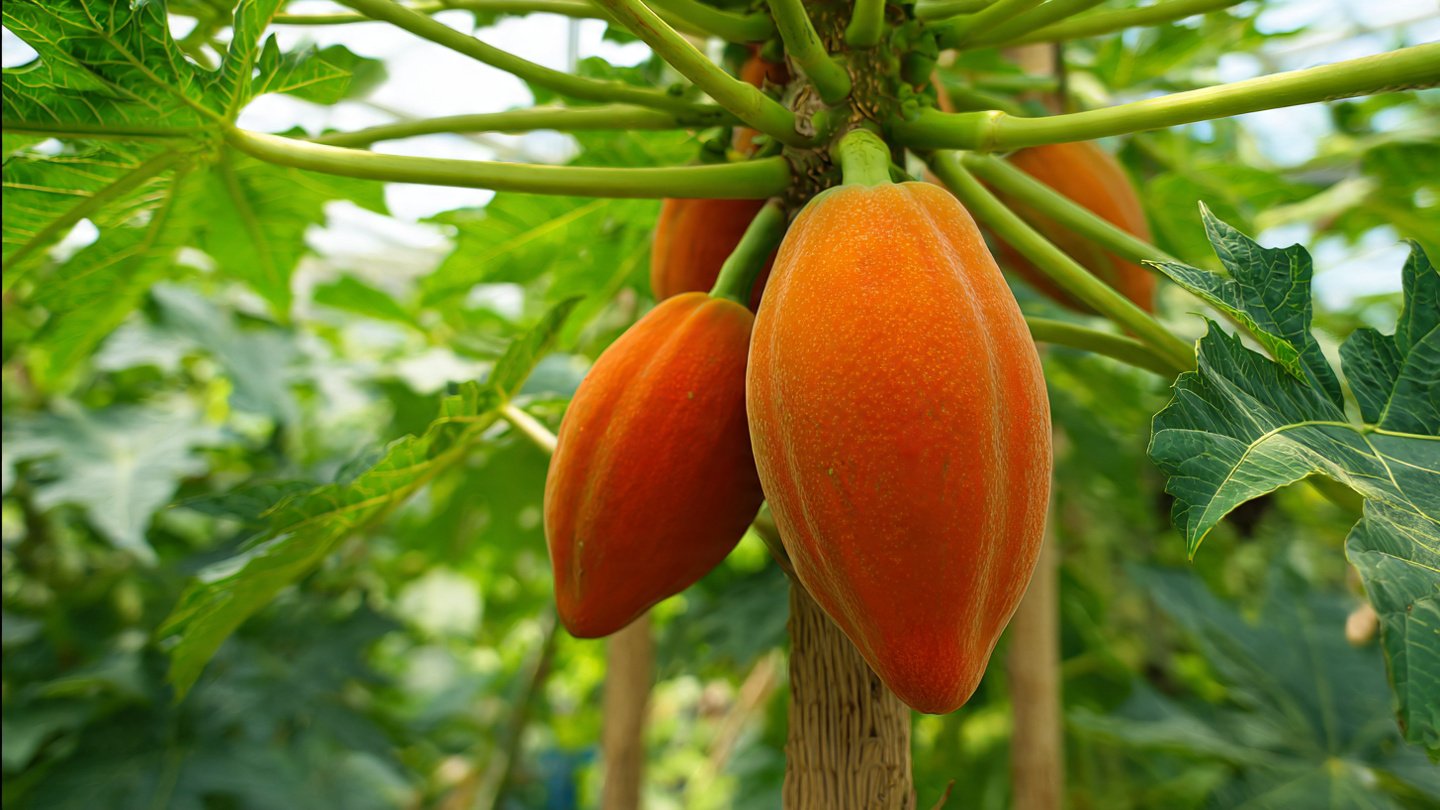
Papaya (Carica papaya) is a fast-growing tropical fruit known for its sweet, nutrient-rich flesh and numerous health benefits. While papaya is relatively easy to grow from seeds, growing it from grafted plants can significantly improve growth rate, fruit size, and overall yield. Grafting allows gardeners to combine the best traits of two plants—disease resistance, vigor, and fruit quality—creating a superior papaya plant.
This article explores the easy way to graft papaya, its benefits, step-by-step techniques, and tips for maximizing growth and harvest. Whether you are a home gardener or a commercial grower, grafting papaya is a practical method to achieve bigger, healthier fruits and multiply your harvest.
Why Graft Papaya?
Grafting is the process of joining two plants so they grow as one. In papaya cultivation, grafting involves connecting a scion (the upper part of the desired plant) to a rootstock (the lower part with strong roots).
The benefits of grafting papaya include:
- Faster Growth: Grafted papaya establishes quickly, reaches fruiting age faster, and produces flowers earlier than seed-grown plants.
- Bigger Fruits: Combining a vigorous rootstock with a high-quality scion results in larger, juicier, and sweeter fruits.
- Disease Resistance: Using rootstocks resistant to soil-borne diseases (like papaya ringspot virus) improves plant survival and productivity.
- Uniformity: Grafted plants produce consistent fruit size, shape, and flavor, making them ideal for commercial growers.
- Multiply Harvest: Multiple grafts can produce several fruit-bearing branches from a single plant, increasing total yield.
By grafting, you can maximize your garden’s potential, producing healthy, high-quality fruits in less time.
Choosing the Right Papaya Plants for Grafting
Success in grafting depends on selecting the right scion and rootstock.
Rootstock Selection
Rootstock should be:
- Vigorous and healthy: Strong roots support faster growth and better nutrient absorption.
- Disease-resistant: Resistant to soil-borne pathogens like root rot or papaya ringspot virus.
- Compatible in size: Slightly younger or equal in size to the scion for easier grafting.
Common rootstocks include seedlings of high-yield, fast-growing varieties.
Scion Selection
The scion is the part of the plant that will produce the fruits. Select scions that are:
- Disease-free: Avoid any signs of infection or damage.
- Mature but young: 3–6 months old is ideal.
- High-quality: Choose a papaya variety known for large, sweet fruits.
Matching the scion and rootstock carefully ensures better graft compatibility and higher success rates.
Tools and Materials Needed
Before grafting, gather the following materials:
- Healthy papaya scion and rootstock
- Sharp grafting knife or sterilized blade
- Polyethylene grafting tape or parafilm
- Alcohol or disinfectant for sterilizing tools
- Grafting wax (optional, for sealing cuts)
- Water spray bottle
Using sterilized tools is essential to prevent infections that can compromise the grafting process.
Step-by-Step Easy Papaya Grafting Technique
The most common and effective method for papaya grafting is approach grafting or cleft grafting. Here’s a simplified, easy-to-follow guide:
Step 1: Prepare the Rootstock
- Choose a healthy, young papaya plant (about 3–4 months old).
- Cut the stem horizontally about 6–8 inches above the soil line.
- Make a vertical slit or cleft in the center of the cut using a sharp knife. This slit will receive the scion.
Step 2: Prepare the Scion
- Select a strong, disease-free scion with 2–3 nodes.
- Trim the base into a wedge shape, so it fits snugly into the rootstock slit.
- Ensure the scion’s cambium layer (the green tissue under the bark) is exposed for better union.
Step 3: Join Scion and Rootstock
- Insert the wedge-shaped scion into the rootstock slit.
- Align the cambium layers of both plants carefully. Proper alignment is crucial for successful grafting.
- Secure the union tightly using grafting tape or parafilm to prevent movement and moisture loss.
Step 4: Seal the Graft
- Optionally, apply grafting wax around the joint to prevent drying and infection.
- Keep the graft in partial shade for the first 7–10 days to reduce stress.
- Mist the grafted plant with water occasionally to maintain humidity.
Step 5: Monitor and Care
- Check the graft regularly for signs of union or infection.
- Remove tape after 3–4 weeks, once the scion is firmly attached and showing new growth.
- Gradually expose the grafted plant to full sunlight over a few days.
By following this easy method, even beginners can successfully graft papaya with high survival rates.
Post-Grafting Care for Maximum Growth
After grafting, care is crucial for healthy growth and optimal fruit production:
1. Watering
- Maintain consistent moisture but avoid waterlogging.
- Drip irrigation or careful hand watering works well for potted or garden plants.
2. Fertilization
- Apply balanced NPK fertilizer every 3–4 weeks to support vigorous growth.
- Include micronutrients like magnesium, zinc, and boron to boost flowering and fruiting.
- Organic compost or manure enhances root development and overall plant health.
3. Pruning
- Remove lateral shoots below the graft union to encourage upward growth.
- Maintain the main scion branch for maximum fruiting potential.
4. Pest and Disease Management
- Keep the plant free from pests such as aphids, mites, or fruit flies.
- Use organic sprays or neem oil to prevent infections.
- Monitor for signs of papaya ringspot virus and remove infected leaves immediately.
Proper care ensures that your grafted papaya grows faster, flowers earlier, and produces larger fruits than seed-grown plants.
Advantages of Grafted Papaya Plants
Grafted papaya plants offer multiple benefits:
- Faster Fruiting: Grafted plants can flower in 4–6 months, compared to 8–10 months for seed-grown plants.
- Bigger Fruits: The combination of vigorous rootstock and high-quality scion produces larger, juicier fruits.
- Higher Yield: Multiple fruit-bearing branches increase total harvest.
- Disease Resistance: Strong rootstock improves plant survival against soil-borne diseases.
- Space Efficiency: Grafted plants are easier to manage in home gardens or small farms.
These advantages make grafting a highly valuable technique for both home gardeners and commercial growers.
Tips for Multiplying Your Harvest
- Multiple Scions: Once the main graft takes, you can add additional scions to produce more branches and increase fruit yield.
- Regular Monitoring: Check for signs of stress or disease early to prevent crop loss.
- Prune Strategically: Focus on maintaining strong fruit-bearing branches and remove weak or damaged shoots.
- Fertilizer Timing: Boost flowering and fruiting by providing potassium-rich fertilizers during the flowering stage.
By following these tips, a single grafted papaya plant can provide an abundant and consistent harvest throughout its productive lifespan.
Conclusion
Grafting papaya is an easy, effective, and practical method to boost growth, achieve bigger fruits, and multiply your harvest. By carefully selecting compatible scion and rootstock, using simple grafting techniques like cleft or approach grafting, and providing proper post-grafting care, gardeners can enjoy:
- Faster fruiting
- Higher yield
- Improved fruit quality and sweetness
- Increased disease resistance
Whether you are growing papayas in your home garden, backyard, or for commercial purposes, grafting is a game-changing technique that allows you to maximize productivity and enjoy superior fruits. With a little patience, proper care, and attention to detail, grafted papaya plants can transform your harvest, giving you larger, healthier, and more abundant fruits year after year.