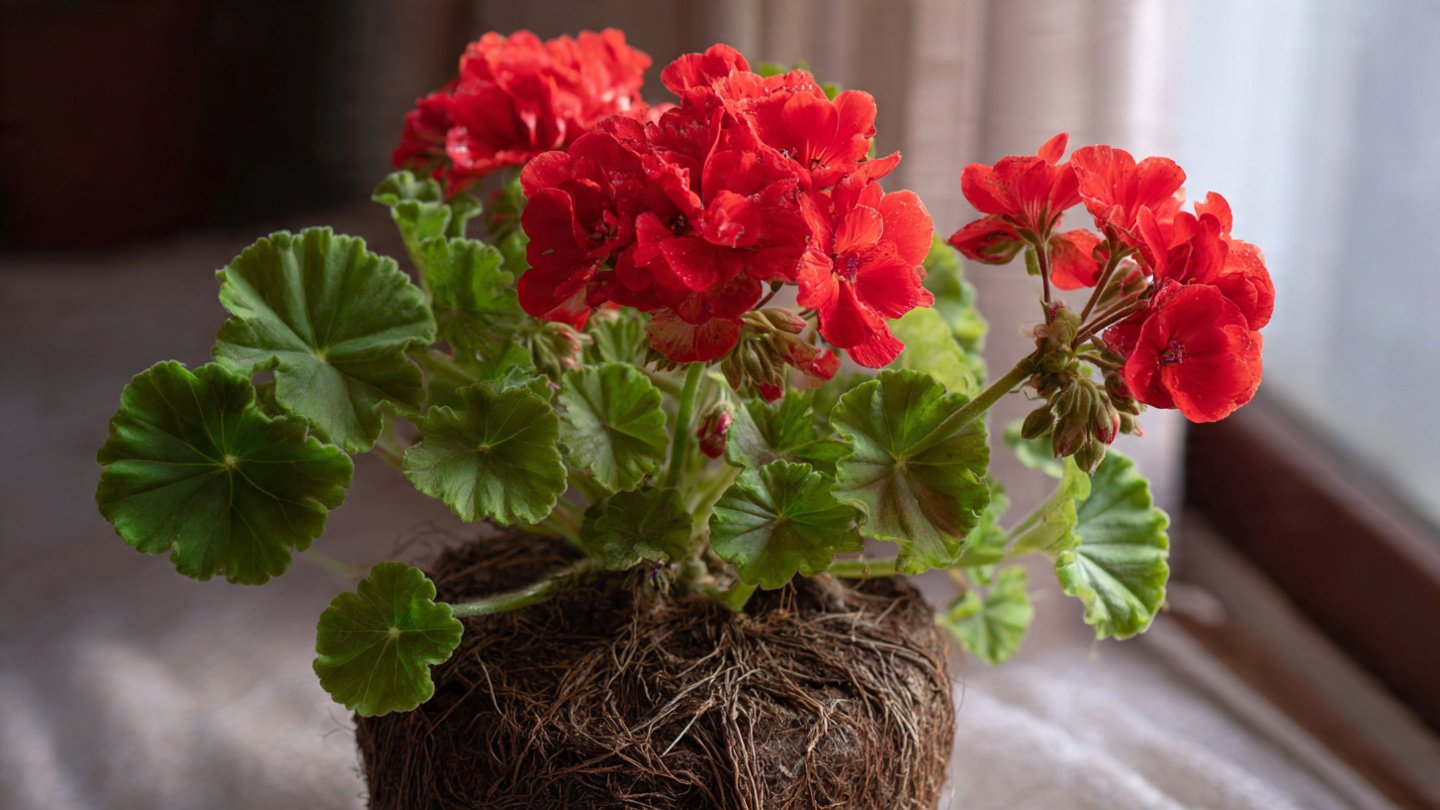
Geraniums are beloved garden plants known for their vibrant blooms, ease of care, and versatility. Propagating geraniums allows gardeners to expand their collection, share plants with friends, and preserve favorite varieties year after year. However, one common challenge during geranium propagation is fungal rot, which can quickly ruin cuttings and discourage gardeners. The good news is that rooting geraniums successfully without fungal issues is easier than most people think. With a few simple techniques, attention to detail, and an understanding of plant biology, you can propagate healthy, robust geraniums free from rot.
Understanding Fungal Rot in Geranium Cuttings
Before discussing the techniques, it’s important to understand why fungal rot occurs. Fungal pathogens such as Pythium, Phytophthora, and Botrytis thrive in warm, wet environments, which are often present during propagation. These fungi attack the base of geranium cuttings, causing them to become soft, brown, and eventually die.
Factors that increase fungal risk include:
- Overly moist or poorly draining soil
- Low air circulation
- Contaminated pots, tools, or soil
- Excessive humidity during rooting
By controlling these factors, gardeners can dramatically reduce the chance of fungal rot while promoting healthy root development.
1. Choose Healthy Parent Plants
The foundation for successful geranium propagation begins with selecting healthy parent plants. Cuttings from stressed, diseased, or pest-infested plants are more likely to develop rot and fail.
Tips for Choosing Cuttings:
- Select firm, vibrant stems with no signs of disease or discoloration.
- Avoid flowers or seed heads; choose young, semi-hardwood stems for best rooting.
- Cut just below a node (where leaves attach) to encourage root formation.
Healthy starting material is essential because strong cuttings are naturally more resistant to fungal infections.
2. Use Clean Tools and Containers
Contaminated tools and containers are a major source of fungal spores. Always sanitize your scissors, knives, or pruning shears before taking cuttings.
Sanitization Methods:
- Dip tools in 70% isopropyl alcohol or a diluted bleach solution (1 part bleach to 9 parts water).
- Wash pots or trays with warm, soapy water, then rinse thoroughly.
Using clean tools and containers prevents the introduction of pathogens that can cause rot during rooting.
3. Take the Right Size Cutting
Cuttings that are too long or too short can struggle to root or are more susceptible to rot.
Ideal Cutting Length:
- 4–6 inches long is optimal.
- Remove lower leaves to reduce excess moisture and contact with the soil.
- Leave 2–3 leaves at the top to continue photosynthesis.
A properly sized cutting balances water retention and root development, lowering fungal risk.
4. Prepare the Cutting Properly
Proper preparation of cuttings before planting can make a significant difference in preventing rot.
Key Steps:
- Let cuttings dry for a few hours in a cool, shaded area. This allows the cut surface to form a protective callus, which reduces fungal entry.
- Optionally, dip the cut end in a rooting hormone powder to encourage root growth and slightly reduce fungal susceptibility.
- Avoid overhandling the cuttings, as bruising or tearing can provide an entry point for pathogens.
This simple preparation step is one of the easiest tricks to prevent rot while encouraging healthy rooting.
5. Use Well-Draining Rooting Medium
One of the main reasons cuttings rot is excess moisture in the soil. Using a well-draining medium prevents water from pooling around the stem base and keeps fungal growth at bay.
Recommended Mediums:
- A mix of perlite and peat moss (1:1 ratio)
- Coarse sand with peat moss
- Commercial seed-starting mixes labeled as well-draining
Tip: Avoid heavy garden soil or moisture-retentive mixes, as these increase the likelihood of fungal infections.
6. Planting Technique Matters
How you plant geranium cuttings also influences their risk of rot.
Planting Steps:
- Make a small hole in the rooting medium using a pencil or stick.
- Insert the cutting about 1–2 inches deep.
- Firm the soil gently around the cutting to provide support but avoid compacting, which reduces drainage.
Planting correctly ensures that the base of the cutting is not sitting in excess water while still being supported, a key factor in rot prevention.
7. Provide Optimal Light and Airflow
Fungal spores thrive in stagnant, humid air. Proper light and airflow help keep the cuttings healthy.
Environmental Tips:
- Place cuttings in bright, indirect sunlight—avoid direct sun that may overheat the stems.
- Ensure good air circulation around the cuttings; a small fan can help in indoor setups.
- Avoid covering cuttings with plastic domes for too long, as trapped moisture can promote fungal growth.
By balancing humidity and airflow, you create an environment where roots can develop without encouraging fungal infections.
8. Water Carefully
Watering is critical during rooting. Both overwatering and underwatering can hinder root formation or increase rot risk.
Watering Guidelines:
- Water the medium lightly after planting to settle it around the cutting.
- Keep the soil slightly moist but never soggy.
- Use a spray bottle or fine watering can to avoid disturbing the cuttings.
Monitoring soil moisture daily ensures the cuttings stay hydrated without creating a breeding ground for fungi.
9. Monitor and Remove Any Affected Cuttings
Even with careful preparation, some cuttings may develop rot. Early detection prevents fungal spread to healthy cuttings.
Monitoring Tips:
- Check cuttings daily for soft, brown, or discolored bases.
- Remove any affected cuttings immediately.
- Clean the surrounding medium if contamination occurs.
Prompt action prevents a minor problem from becoming a major setback in your propagation efforts.
10. Timing and Temperature
Temperature plays a key role in both root development and fungal growth. Geraniums root best in moderately warm conditions, but excessive heat can encourage fungal proliferation.
Optimal Temperature:
- 65–75°F (18–24°C) for root formation
- Avoid placing cuttings in direct hot sunlight or near cold drafts
- Maintain consistent temperature for faster, healthier rooting
Stable temperatures support strong root development while keeping fungal spores in check.
11. Transplanting Rooted Cuttings
Once roots have developed, proper transplanting prevents stress and rot.
Transplanting Steps:
- Wait until roots are well-formed, usually 3–4 weeks.
- Use clean pots with well-draining soil.
- Water lightly after transplanting and gradually acclimate plants to stronger light if moving outdoors.
Healthy transplanting ensures long-term growth and reduces the chance of late-stage fungal problems.
12. Summary of Simple Tricks
Here’s a quick recap of the easy tricks to root geraniums without fungal rot:
- Select healthy parent plants—strong, disease-free stems.
- Sanitize tools and containers before taking cuttings.
- Take properly sized cuttings (4–6 inches) and remove lower leaves.
- Let cuttings callus for a few hours before planting.
- Use well-draining rooting medium like perlite and peat moss.
- Plant cuttings correctly—avoid compacting the soil around the base.
- Provide bright, indirect light and maintain good airflow.
- Water carefully to keep medium slightly moist, not soggy.
- Monitor daily and remove any cuttings showing signs of rot.
- Maintain optimal temperatures (65–75°F) during rooting.
- Transplant carefully once roots are developed to prevent stress.
Following these steps consistently can dramatically improve rooting success while eliminating fungal rot, making geranium propagation simple, predictable, and rewarding.
Conclusion
Rooting geraniums without fungal rot doesn’t require expensive equipment or complicated techniques. By focusing on simple, practical steps—choosing healthy plants, using clean tools, maintaining a well-draining medium, and monitoring moisture and airflow—you can propagate vibrant, healthy geraniums season after season.
The key is prevention rather than treatment. Most fungal issues arise from environmental conditions that can be easily controlled. By implementing these small but effective tricks, you can ensure your geranium cuttings develop strong roots, resist fungal infections, and grow into flourishing plants that brighten your garden or home.
With consistent care and attention, propagating geraniums becomes a simple, enjoyable task—and you’ll never have to worry about losing cuttings to rot again. Healthy, robust geraniums await, ready to reward your efforts with colorful blooms and lush foliage.